


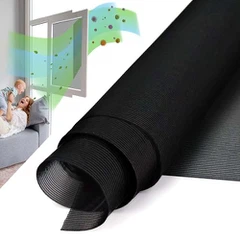
Plisse fly screens, a popular choice for many households and commercial spaces, offer an effective and stylish solution to keep insects out while allowing fresh air to flow freely. As a seasoned Plisse fly screen supplier, I've had the privilege of working with a wide range of materials that contribute to the functionality and durability of these screens. In this blog post, I'll delve into the various materials used in the manufacturing of Plisse fly screens, highlighting their features, advantages, and how they impact the overall performance of the product.
Fiberglass Mesh
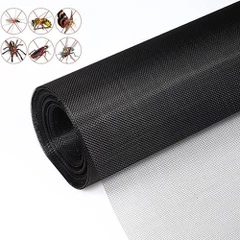
One of the most commonly used materials in Plisse fly screens is fiberglass mesh. This material is known for its excellent durability, flexibility, and resistance to corrosion. Fiberglass mesh is made from fine glass fibers that are woven together to form a tight and uniform grid. This grid structure effectively keeps insects out while still allowing for good airflow and visibility.
One of the key advantages of fiberglass mesh is its resistance to rust and corrosion. Unlike metal mesh, which can rust over time, fiberglass mesh remains unaffected by moisture and humidity, making it ideal for use in areas with high levels of moisture, such as bathrooms and kitchens. Additionally, fiberglass mesh is lightweight and easy to handle, making it a popular choice for DIY installations.
Another benefit of fiberglass mesh is its flexibility. This material can be easily bent and shaped to fit the contours of different window and door frames, ensuring a perfect fit. Fiberglass mesh is also available in a variety of colors, allowing you to choose a screen that matches the aesthetic of your home or business.
However, fiberglass mesh does have some limitations. It is not as strong as some other materials, such as aluminum or stainless steel, and may be more prone to tearing or damage. Additionally, fiberglass mesh can become brittle over time, especially if it is exposed to direct sunlight for extended periods.
Aluminum Frame
In addition to the mesh, the frame of a Plisse fly screen also plays a crucial role in its performance and durability. Aluminum is a popular choice for frame material due to its lightweight, strength, and resistance to corrosion.
Aluminum frames are typically extruded, which means they are formed by forcing aluminum through a die to create a specific shape. This process allows for precise control over the dimensions and thickness of the frame, ensuring a high-quality and consistent product.
One of the main advantages of aluminum frames is their strength-to-weight ratio. Aluminum is a lightweight material, which makes it easy to install and handle, but it is also incredibly strong and durable. This allows the frame to support the weight of the mesh and withstand the rigors of daily use.
Another benefit of aluminum frames is their resistance to corrosion. Unlike steel or iron frames, which can rust over time, aluminum frames are coated with a protective layer that prevents them from corroding. This makes them ideal for use in areas with high levels of moisture or salt, such as coastal regions.
Aluminum frames are also available in a variety of colors and finishes, allowing you to choose a frame that matches the aesthetic of your home or business. Some common finishes include powder coating, anodizing, and brushing, each of which offers a unique look and level of protection.
Plastic Components
In addition to the mesh and frame, Plisse fly screens often incorporate plastic components, such as tracks, rollers, and handles. These components play a crucial role in the functionality and ease of use of the screen.
Plastic is a popular choice for these components due to its lightweight, durability, and low cost. Plastic tracks and rollers allow the screen to slide smoothly and easily, while plastic handles provide a comfortable and ergonomic grip.
One of the main advantages of plastic components is their resistance to corrosion and wear. Unlike metal components, which can rust or wear out over time, plastic components are designed to withstand the rigors of daily use and remain in good condition for many years.
Another benefit of plastic components is their versatility. Plastic can be molded into a variety of shapes and sizes, allowing for the creation of custom-designed components that fit the specific needs of your Plisse fly screen.
However, plastic components do have some limitations. They are not as strong as metal components and may be more prone to cracking or breaking under heavy use. Additionally, some types of plastic may be affected by extreme temperatures or sunlight, which can cause them to become brittle or discolored over time.
Pleat Mesh and Folding Retractable Screen
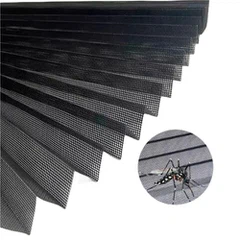
When it comes to Plisse fly screens, two important components are the Pleat Mesh and the Folding Retractable Screen. The Pleat Mesh is the actual screening material that keeps insects out. It is designed to be pleated, which allows it to be easily retracted and extended as needed. The folding design of the mesh also makes it more compact when not in use, taking up less space.


The Folding Retractable Screen is the mechanism that allows the Pleat Mesh to be retracted and extended smoothly. It typically consists of a series of tracks, rollers, and guides that ensure the mesh moves in a straight and consistent manner. The folding design of the screen also makes it easy to install and remove, making it a convenient option for both residential and commercial applications.
Plisse Insect Screen
The Plisse Insect Screen is the complete product that combines the Pleat Mesh, the Folding Retractable Screen, and the frame. It is designed to provide a high-quality and effective solution for keeping insects out while allowing fresh air to flow freely.
Plisse Insect Screens are available in a variety of sizes, colors, and styles to suit the specific needs of your home or business. They can be installed on windows, doors, patios, and other openings, providing a versatile and customizable solution for insect control.
Conclusion
In conclusion, Plisse fly screens are made from a variety of materials, each of which plays a crucial role in the functionality, durability, and aesthetic appeal of the product. Fiberglass mesh provides excellent insect protection, airflow, and visibility, while aluminum frames offer strength, lightweight, and corrosion resistance. Plastic components add convenience and versatility, while the Pleat Mesh and Folding Retractable Screen ensure smooth operation and compact storage.
As a Plisse fly screen supplier, I understand the importance of using high-quality materials and manufacturing processes to ensure the performance and longevity of our products. We offer a wide range of Plisse fly screens that are designed to meet the specific needs of our customers, whether they are looking for a basic screen for a residential window or a custom-designed screen for a commercial building.
If you are interested in learning more about our Plisse fly screens or would like to discuss your specific requirements, please don't hesitate to contact us. Our team of experts is always available to answer your questions and provide you with the information you need to make an informed decision. We look forward to the opportunity to work with you and help you create a comfortable and insect-free environment in your home or business.
References
- "Fly Screens: Materials and Construction." Building Design + Construction, 2023.
- "The Benefits of Fiberglass Mesh in Fly Screens." Home Improvement Magazine, 2022.
- "Aluminum Frames for Windows and Doors." Architectural Digest, 2021.