

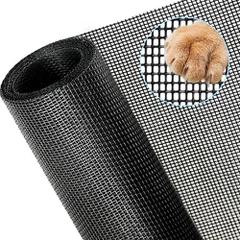
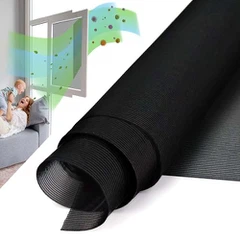
In the modern architectural and interior design landscape, window sunscreen has emerged as an essential component for both residential and commercial spaces. As a dedicated window sunscreen supplier, I am excited to delve into the world of window sunscreen, exploring its definition, types, benefits, and applications.
What is Window Sunscreen?
Window sunscreen refers to a range of products designed to block or reduce the amount of sunlight and heat that enters a building through windows. These products come in various forms, materials, and designs, each tailored to specific needs and preferences. The primary function of window sunscreen is to control solar radiation, which can have a significant impact on the comfort, energy efficiency, and aesthetics of a space.

Types of Window Sunscreen
1. Polyester Sunscreen Fabric
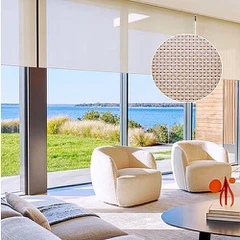
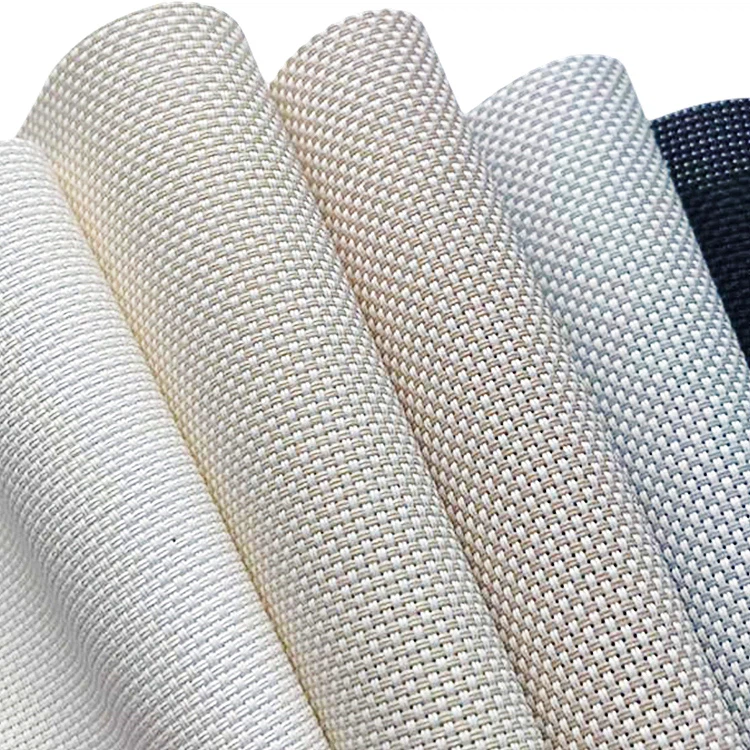
Polyester Sunscreen Fabric is a popular choice for window sunscreen applications. Made from high-quality polyester fibers, this fabric offers excellent durability, flexibility, and UV resistance. It is available in a wide range of colors and patterns, allowing for customization to match any interior or exterior design. Polyester sunscreen fabric can be used in various forms, such as roller shades, blinds, and curtains, providing effective shading and privacy.
2. Shading Net for Blinds
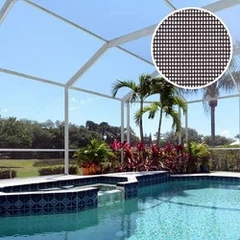
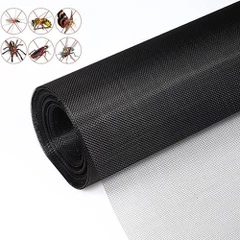
Shading Net for Blinds is another type of window sunscreen that is commonly used in combination with blinds. This netting is made from lightweight, breathable materials that allow for air circulation while blocking a significant amount of sunlight. Shading net for blinds is available in different densities and mesh sizes, providing varying levels of shading and visibility. It can be easily installed on existing blinds, enhancing their functionality and performance.
3. 450GSM Fiberglass+PVC Sunshade 5% Fabric
450GSM Fiberglass+PVC Sunshade 5% Fabric is a high-performance window sunscreen material that combines the strength of fiberglass with the flexibility of PVC. This fabric has a high GSM (grams per square meter) rating, indicating its thickness and durability. The 5% shading factor means that it blocks approximately 95% of sunlight, providing excellent heat reduction and UV protection. 450GSM Fiberglass+PVC Sunshade 5% Fabric is commonly used in commercial buildings, such as offices, hotels, and retail stores, as well as in residential applications.
Benefits of Window Sunscreen
1. Energy Efficiency
One of the primary benefits of window sunscreen is its ability to reduce energy consumption. By blocking a significant amount of sunlight and heat, window sunscreen can help to keep a building cool in the summer, reducing the need for air conditioning. This can result in substantial energy savings and lower utility bills. In the winter, window sunscreen can also help to insulate a building, reducing heat loss and further improving energy efficiency.
2. Comfort
Window sunscreen can significantly improve the comfort of a space by reducing glare, heat, and UV radiation. Glare from sunlight can cause eye strain, headaches, and discomfort, especially when working or relaxing near windows. Window sunscreen can block this glare, allowing for a more comfortable and productive environment. Additionally, by reducing heat and UV radiation, window sunscreen can help to prevent fading and damage to furniture, flooring, and other interior finishes.
3. Privacy
Window sunscreen can provide an additional layer of privacy for a space. By blocking the view from the outside, window sunscreen can prevent passersby from seeing into a building, while still allowing natural light to enter. This is particularly useful for residential applications, where privacy is often a concern.
4. Aesthetics
Window sunscreen can also enhance the aesthetics of a building. With a wide range of colors, patterns, and designs available, window sunscreen can be customized to match any interior or exterior design. It can add a modern, stylish touch to a space, while also providing functional benefits.
Applications of Window Sunscreen
1. Residential Buildings
Window sunscreen is widely used in residential buildings, such as homes, apartments, and condominiums. It can be installed on windows in bedrooms, living rooms, kitchens, and other areas to provide shading, privacy, and energy efficiency. In addition to traditional window treatments, such as curtains and blinds, window sunscreen can also be used in the form of exterior shading devices, such as awnings and shutters.
2. Commercial Buildings
Commercial buildings, such as offices, hotels, retail stores, and restaurants, can also benefit from window sunscreen. In offices, window sunscreen can help to create a more comfortable and productive work environment by reducing glare and heat. In hotels and restaurants, window sunscreen can enhance the dining and guest experience by providing a more pleasant atmosphere. Retail stores can use window sunscreen to protect merchandise from fading and damage, while also attracting customers with a stylish and modern appearance.
3. Industrial Buildings
Industrial buildings, such as factories, warehouses, and distribution centers, can also benefit from window sunscreen. In these types of buildings, window sunscreen can help to reduce heat and glare, improving the working conditions for employees. It can also help to protect equipment and materials from damage caused by sunlight and UV radiation.
Conclusion
Window sunscreen is an essential component for any building, providing a range of benefits, including energy efficiency, comfort, privacy, and aesthetics. As a window sunscreen supplier, I am committed to providing high-quality products that meet the needs and preferences of our customers. Whether you are looking for a simple solution for your home or a comprehensive shading system for a commercial building, we have the expertise and products to help you achieve your goals.
If you are interested in learning more about our window sunscreen products or would like to discuss your specific needs, please do not hesitate to contact us. We would be happy to provide you with more information and assist you in finding the right window sunscreen solution for your project.
References
- American Society of Heating, Refrigerating and Air-Conditioning Engineers (ASHRAE). (2023). ASHRAE Handbook - Fundamentals.
- International Energy Agency (IEA). (2023). Energy Efficiency in Buildings.
- National Fenestration Rating Council (NFRC). (2023). Window Energy Rating System.