

Hey there! As a supplier of sunshade screen fabric, I often get asked about the wind - load capacity of this wonderful product. So, let's dive right in and chat about it.
First off, what exactly is wind - load capacity? Well, it's basically the amount of force that a piece of sunshade screen fabric can withstand from the wind without getting damaged. Understanding this is super important as it directly impacts how well the fabric will work in different outdoor environments.
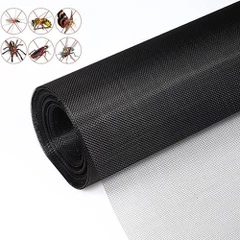
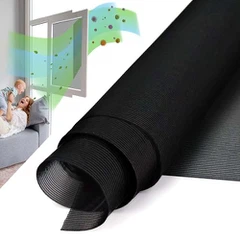
When you're thinking about wind - load capacity, you've got to consider a few key factors. The material of the sunshade screen fabric is a huge one. For instance, we offer a Fiberglass and Polyester Optional Sunshade Blinds Fibric. Fiberglass is known for its high strength and durability. It can handle a pretty good amount of wind force because it's rigid and doesn't stretch easily. On the other hand, polyester is more flexible, but still offers decent wind resistance. Polyester fibers are tightly woven, which gives the fabric the ability to distribute the wind force across the material rather than concentrating it in one area.
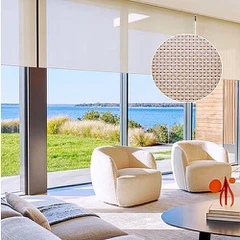
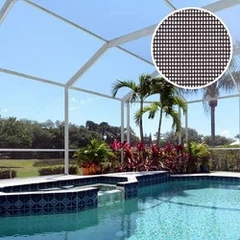
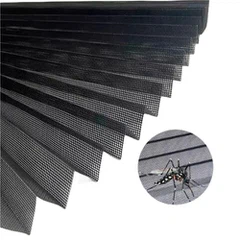
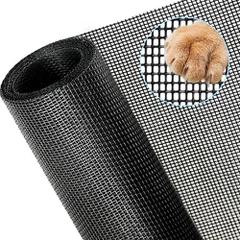
The weave pattern of the fabric also plays a big role. A tight weave will generally have a higher wind - load capacity. Why? Because it creates a more solid surface, so the wind has less space to pass through and cause damage. Our Exterior Sun Control Mesh has a carefully designed weave pattern that's optimized for both sun protection and wind resistance. The mesh allows air to flow through to some extent, reducing the overall wind pressure on the fabric, but at the same time, it's strong enough to stay intact even in gusty conditions.


Another factor is the shade percentage of the sunshade screen fabric. Our Sunshade 1% 3% 5% 10% Screen Fabric comes in different shade percentages. Generally, a lower shade percentage means more open space in the fabric. This can be an advantage in windy conditions as it allows more wind to pass through, reducing the wind - load on the fabric. However, you also need to balance this with the amount of sun protection you need.
Now, let's talk about how to test the wind - load capacity of sunshade screen fabric. In a professional setting, we use specialized equipment to simulate different wind speeds and conditions. We attach the fabric to a frame and then subject it to increasing wind forces. We monitor how the fabric behaves, looking for signs of tearing, stretching, or detachment from the frame. This way, we can accurately determine the maximum wind - load that the fabric can handle.
In real - world applications, the location of the installation is crucial. If you're installing the sunshade screen fabric in a coastal area, where the wind can be strong and salt - laden, you'll need a fabric with a high wind - load capacity. Coastal winds are often more turbulent, which can put additional stress on the fabric. In contrast, if it's for a more sheltered backyard in a suburban area, you might be able to get away with a fabric with a lower wind - load capacity.
When it comes to choosing the right sunshade screen fabric based on wind - load capacity, it's all about finding the balance. You don't want to over - engineer and choose a fabric that's way more heavy - duty than you need, which can be more expensive. But at the same time, you don't want to risk using a fabric that won't survive the wind conditions in your area.
We've seen cases where customers didn't pay enough attention to the wind - load capacity. They installed a fabric with a low wind - load rating in a high - wind area, and within a short period, the fabric was torn and damaged. This not only cost them money to replace the fabric but also caused inconvenience.
On the flip side, we've also had customers who were very happy with our recommendations. They installed our sunshade screen fabric with the appropriate wind - load capacity, and it held up beautifully, providing both excellent sun protection and long - term durability even in challenging weather conditions.
If you're in the process of choosing sunshade screen fabric for your project, I highly recommend considering the wind - load capacity as a top priority. It's not just about how the fabric looks; it's about how well it will perform in the real world.
So, if you have any questions about wind - load capacity, or you're interested in checking out our wide range of sunshade screen fabrics, don't hesitate to reach out. We're here to help you make the right choice for your specific needs. Whether you're a homeowner looking to spruce up your backyard or a contractor working on a commercial project, we've got the expertise and the products to meet your requirements. Get in touch with us, and let's start a conversation about how we can provide you with the perfect sunshade screen fabric.
References:
- "Textile Engineering Handbook" for general information on fabric properties and wind resistance.
- In - house testing reports and case studies on sunshade screen fabric performance in different wind conditions.