

Hey there! As a supplier of plisse screens, I often get asked about the weight of these nifty window and door accessories. It's a question that might seem a bit random at first, but it's actually pretty important, especially when you're thinking about installation, durability, and overall functionality. So, let's dive into what the weight of a plisse screen really means and how it can impact your experience.
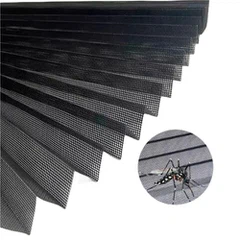
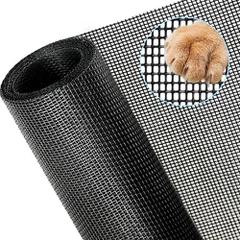
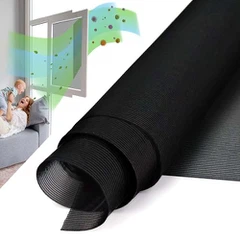
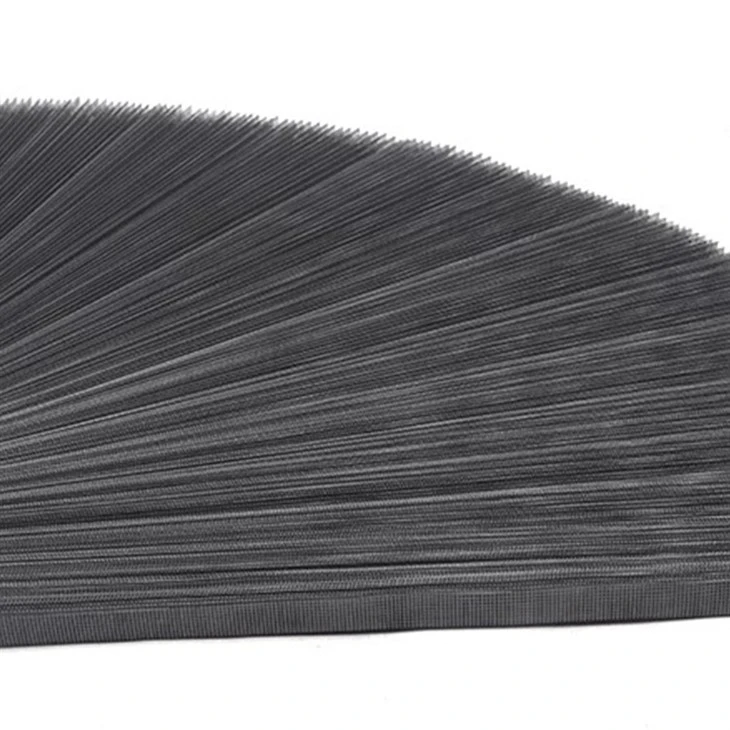
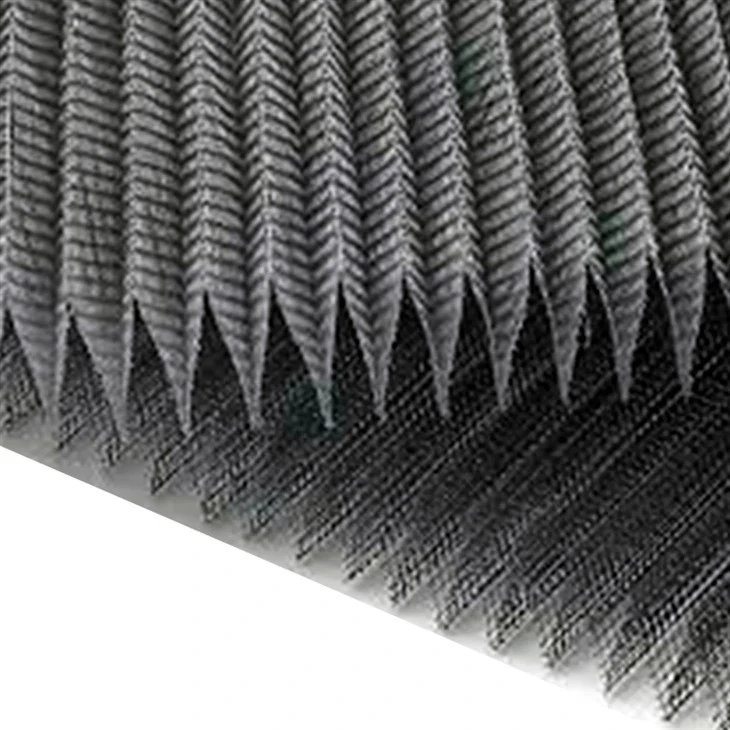
First off, what exactly is a plisse screen? Well, it's a type of retractable screen that's designed to be easy to use and take up minimal space when not in use. The screen material is pleated, which allows it to fold up neatly into a compact cassette. There are different types of plisse screens, like the Folding Retractable Screen, Plisse Fly Screen, and Plisse Retractable Screen. Each type has its own unique features and benefits, but they all share the common characteristic of being lightweight and easy to operate.
So, what affects the weight of a plisse screen? There are a few key factors to consider. The first is the size of the screen. Obviously, a larger screen will weigh more than a smaller one. This is because there's more material involved, both in the screen itself and in the frame that holds it. If you're covering a big window or door, you can expect the screen to be a bit heavier than if you're using it for a smaller opening.
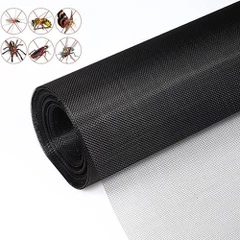
Another factor is the material of the screen. Plisse screens can be made from a variety of materials, including fiberglass, polyester, and aluminum. Fiberglass is a popular choice because it's lightweight, durable, and resistant to corrosion. Polyester is also a good option, as it's strong and flexible. Aluminum frames are often used because they're lightweight and can be easily customized to fit different sizes and shapes of windows and doors. The type of material you choose will have a direct impact on the weight of the screen.
The design of the screen can also play a role in its weight. Some plisse screens have additional features, like a locking mechanism or a magnetic seal, which can add a bit of extra weight. These features can be useful, but they might not be necessary for every application. If you're looking for a lightweight screen, you might want to consider a more basic design.
Now, let's talk about why the weight of a plisse screen matters. One of the main reasons is installation. If the screen is too heavy, it might be difficult to install, especially if you're doing it yourself. You'll need to make sure that the frame is strong enough to support the weight of the screen, and you might need to use additional hardware to secure it in place. On the other hand, a lightweight screen is much easier to handle and install, which can save you time and hassle.
The weight of the screen can also affect its durability. A heavier screen might be more prone to wear and tear over time, especially if it's used frequently. This is because the additional weight puts more stress on the frame and the moving parts of the screen. A lightweight screen, on the other hand, is less likely to experience these issues, which means it will last longer and require less maintenance.
In addition, the weight of the screen can impact its functionality. A heavier screen might be more difficult to open and close, especially if it's not properly balanced. This can make it frustrating to use, and it might even prevent you from using the screen as often as you'd like. A lightweight screen, on the other hand, is easy to operate, which means you'll be more likely to use it and enjoy the benefits of having a bug-free environment.
So, how much does a plisse screen typically weigh? Well, it really depends on the factors we discussed earlier. A small, basic plisse screen for a standard window might weigh around 5 to 10 pounds. A larger screen for a sliding door could weigh anywhere from 15 to 30 pounds or more. Keep in mind that these are just rough estimates, and the actual weight of the screen will vary depending on the specific size, material, and design.
If you're in the market for a plisse screen, it's important to consider the weight along with other factors, like size, material, and price. You want to make sure that you're getting a screen that's the right fit for your needs and your budget. And if you have any questions or need help choosing the right screen, don't hesitate to reach out to us. As a supplier, we have the knowledge and experience to help you make an informed decision.
At the end of the day, the weight of a plisse screen is just one aspect to consider when you're looking for a window or door screen solution. It's important to find a balance between weight, size, material, and functionality to ensure that you're getting the best possible product for your home or business. Whether you're looking for a Folding Retractable Screen, a Plisse Fly Screen, or a Plisse Retractable Screen, we're here to help you find the perfect fit.
If you're interested in learning more about our plisse screens or would like to discuss your specific needs, please don't hesitate to contact us. We'd be happy to answer any questions you might have and provide you with a free quote. Let's work together to find the ideal screen solution for your home or business.
References:
- "Window Screens: Types, Materials, and Installation" - Home Improvement Magazine
- "The Benefits of Plisse Screens" - DIY Home Decor Blog
- "Choosing the Right Window Screen" - Consumer Reports