


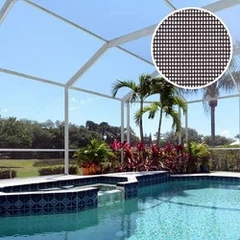
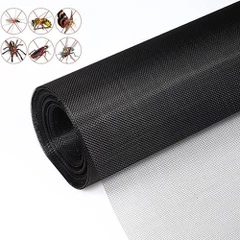
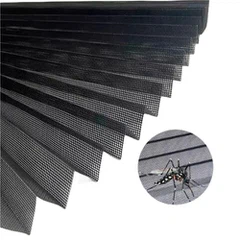
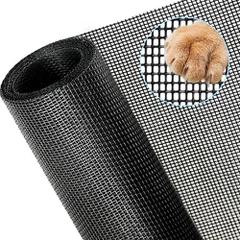
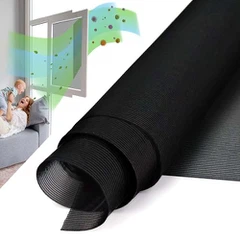
In the realm of sun protection, sunshade screen fabrics stand out as a popular choice for both residential and commercial applications. These fabrics are designed to block harmful UV rays, reduce heat, and provide privacy. However, one of the often overlooked yet crucial properties of sunshade screen fabric is its water - repellency. As a leading supplier of sunshade screen fabric, I am excited to delve into what water - repellency means for this type of fabric, its benefits, and how it impacts our product offerings such as the Private Custom Sunshade Screen, Solar Polyester Screen, and 520 GSM Openness 5% Roller Blind Fabric.
Understanding Water - Repellency of Sunshade Screen Fabric
Water - repellency refers to the fabric's ability to resist the penetration of water. It is not the same as waterproofing. Waterproof materials completely prevent water from passing through, while water - repellent fabrics allow some degree of surface wetting but prevent water from soaking into the fabric. This is achieved through various manufacturing processes and treatments.
For sunshade screen fabrics, water - repellency is often attained by applying a special coating to the fabric surface. These coatings are typically made of polymers or fluorochemicals. Polymers form a thin film on the fabric, creating a barrier that water droplets cannot easily penetrate. Fluorochemicals, on the other hand, reduce the surface tension of the fabric, causing water to bead up and roll off.
The Importance of Water - Repellency in Sunshade Screen Fabrics
Durability
One of the primary reasons water - repellency is essential for sunshade screen fabrics is to enhance their durability. When fabric absorbs water, it becomes a breeding ground for mold, mildew, and bacteria. These microorganisms can damage the fabric fibers over time, leading to weakening, discoloration, and an unpleasant odor. A water - repellent sunshade screen fabric, however, dries quickly and prevents the growth of these harmful organisms. This extends the lifespan of the fabric, ensuring that it remains in good condition for years to come.
Maintenance
Water - repellent fabrics are much easier to maintain. Since water does not soak into the fabric, dirt and debris are more likely to stay on the surface. This means that a simple rinse with water or a gentle wipe can often remove most of the dirt. In contrast, non - water - repellent fabrics may require more intensive cleaning methods, including the use of detergents, to remove stains caused by water - absorbed dirt.
Aesthetic Appeal
Water stains can be unsightly on sunshade screen fabrics. When water soaks into the fabric and then evaporates, it can leave behind mineral deposits and discoloration. Water - repellent fabrics prevent water from soaking in, thus maintaining a clean and uniform appearance. This is particularly important for applications where the fabric is on display, such as in outdoor patios or commercial facades.
Factors Affecting the Water - Repellency of Sunshade Screen Fabrics
Material Composition
The base material of the sunshade screen fabric plays a significant role in its water - repellency. For example, polyester is a commonly used material in sunshade screen fabrics. Polyester itself has some natural water - repellent properties, as it is a synthetic fiber that does not absorb water easily. However, the addition of a water - repellent coating can further improve its performance. On the other hand, natural fibers like cotton are more absorbent and may require more intensive treatment to achieve the same level of water - repellency.
Weave Structure
The way the fabric is woven also affects its water - repellency. A tight weave can prevent water from passing through more effectively than a loose weave. In some cases, manufacturers may use a special weaving technique to create a more water - resistant structure. For instance, a twill weave may offer better water - repellency compared to a plain weave, as the diagonal pattern creates a more compact surface.
Coating Quality
The quality of the water - repellent coating is crucial. A high - quality coating will adhere well to the fabric and provide long - lasting water - repellent performance. Poor - quality coatings may wear off quickly, especially when exposed to harsh weather conditions, UV rays, or abrasive surfaces. As a supplier, we ensure that our fabrics are treated with high - grade coatings to maintain their water - repellency over time.
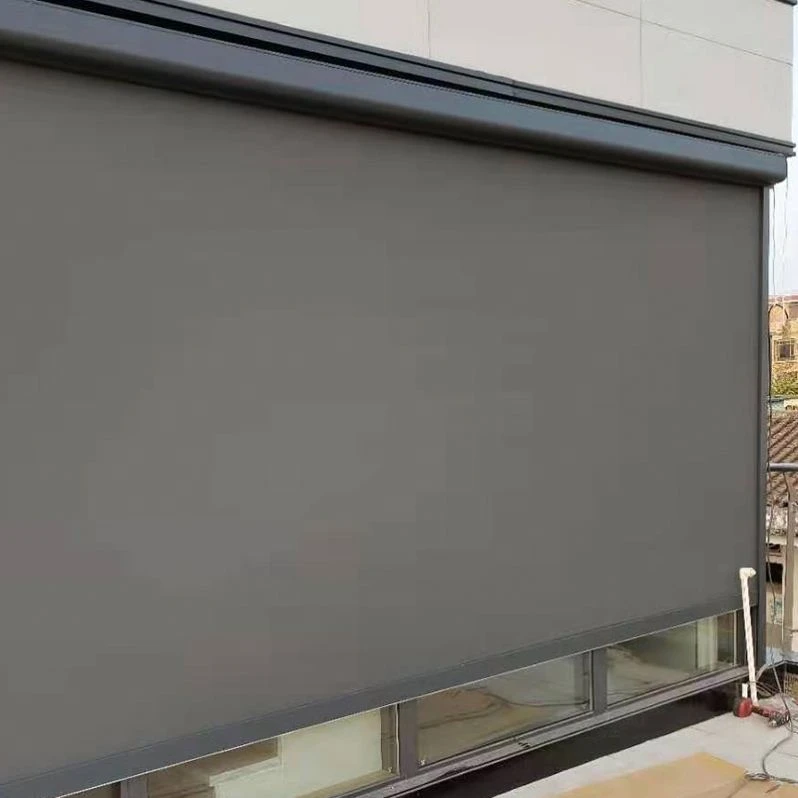
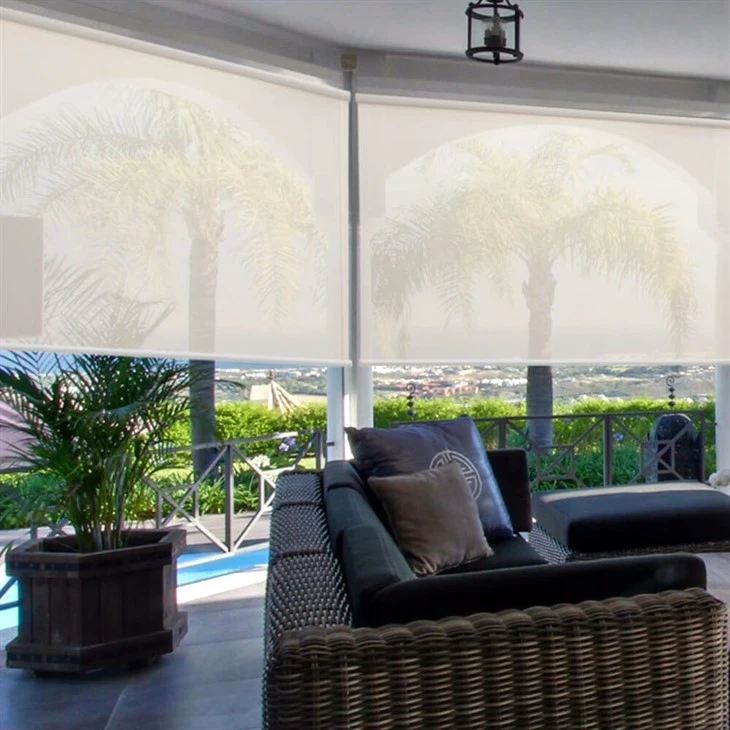
Our Water - Repellent Sunshade Screen Fabric Products
Private Custom Sunshade Screen
Our Private Custom Sunshade Screen is designed to meet the specific needs of our customers while providing excellent water - repellency. Whether you need a custom size, color, or pattern, we can create a sunshade screen that fits your requirements. The water - repellent coating on this fabric not only protects it from water damage but also enhances its overall durability, making it suitable for long - term outdoor use.
Solar Polyester Screen
The Solar Polyester Screen is made from high - quality polyester material with a superior water - repellent coating. This screen effectively blocks UV rays and reduces heat, while its water - repellent property ensures that it remains clean and free from mold and mildew. The polyester base provides excellent strength and resistance to stretching, making it a reliable choice for various sun protection applications.
520 GSM Openness 5% Roller Blind Fabric
The 520 GSM Openness 5% Roller Blind Fabric is a heavy - duty sunshade fabric with a low openness percentage. This means it provides high levels of privacy and sun protection. The water - repellency of this fabric is enhanced by its tight weave and a special water - repellent treatment. It is suitable for use in both residential and commercial settings, such as offices, hotels, and homes.
Testing the Water - Repellency of Our Sunshade Screen Fabrics
We conduct rigorous testing on our sunshade screen fabrics to ensure their water - repellency meets the highest standards. One of the common tests we use is the spray test. In this test, a sample of the fabric is placed on a flat surface, and water is sprayed onto it at a specific pressure and angle. The fabric is then evaluated based on the amount of water that penetrates the fabric and the way water beads up on the surface.
Another test we perform is the immersion test. A fabric sample is immersed in water for a certain period of time, and then the amount of water absorbed by the fabric is measured. Our fabrics are designed to pass these tests with flying colors, ensuring that our customers receive products with reliable water - repellent performance.
Conclusion and Call to Action
Water - repellency is a vital property of sunshade screen fabrics. It enhances durability, reduces maintenance, and improves the aesthetic appeal of the fabric. As a supplier, we are committed to providing high - quality sunshade screen fabrics with excellent water - repellent properties, such as our Private Custom Sunshade Screen, Solar Polyester Screen, and 520 GSM Openness 5% Roller Blind Fabric.
If you are in the market for sunshade screen fabric and are interested in learning more about our products, or if you have specific requirements for a project, we encourage you to contact us. Our team of experts is ready to assist you with product selection, customization, and any other inquiries you may have. We look forward to the opportunity to work with you and provide the best sunshade screen fabric solutions for your needs.
References
- ASTM International. (20XX). Standard Test Methods for Water - Repellency of Textiles (Spray Test).
- Textile Institute. (20XX). Handbook of Textile Testing and Quality Control.
- Smith, J. (20XX). The Science of Water - Repellent Coatings on Textiles. Journal of Textile Science and Technology.