


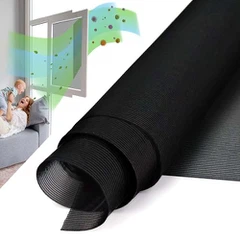
When it comes to pleat mesh, one of the most frequently asked questions is about its thickness. As a seasoned pleat mesh supplier, I've encountered this query numerous times from various clients, including architects, interior designers, and homeowners. In this blog post, I'll delve into the intricacies of pleat mesh thickness, exploring its significance, factors influencing it, and how it impacts the overall performance and functionality of the product.
The Significance of Pleat Mesh Thickness
The thickness of pleat mesh plays a crucial role in determining its effectiveness and suitability for different applications. It directly affects the mesh's strength, durability, and ability to provide the desired level of protection and privacy. A thicker mesh generally offers greater strength and resistance to wear and tear, making it ideal for high-traffic areas or outdoor applications where it may be exposed to harsh weather conditions.
On the other hand, a thinner mesh may be more suitable for indoor applications where aesthetics and ventilation are the primary concerns. Thinner meshes are often more flexible and can be easily manipulated to create pleats, allowing for a more seamless and visually appealing installation. Additionally, they may offer better airflow, which can be beneficial in areas where ventilation is essential, such as kitchens or bathrooms.
Factors Influencing Pleat Mesh Thickness
Several factors influence the thickness of pleat mesh, including the material used, the intended application, and the manufacturing process. Let's take a closer look at each of these factors:
Material
The material used to manufacture pleat mesh is one of the primary factors determining its thickness. Different materials have varying densities and properties, which can affect the overall thickness of the mesh. For example, metal meshes, such as stainless steel or aluminum, are typically thicker and more durable than synthetic meshes, such as polyester or nylon. Metal meshes are often used in industrial applications or outdoor settings where strength and corrosion resistance are essential.
Synthetic meshes, on the other hand, are generally thinner and more lightweight. They are commonly used in residential and commercial applications, such as window screens or room dividers, where aesthetics and flexibility are more important. Synthetic meshes are also available in a wide range of colors and patterns, allowing for greater customization and design flexibility.
Intended Application
The intended application of the pleat mesh also plays a significant role in determining its thickness. For example, if the mesh is being used as a security screen, a thicker and more robust mesh may be required to provide adequate protection against intruders. On the other hand, if the mesh is being used as a decorative element or a privacy screen, a thinner and more lightweight mesh may be sufficient.
Other factors to consider when determining the appropriate thickness for a specific application include the level of privacy required, the amount of airflow needed, and the environmental conditions the mesh will be exposed to. For example, in areas with high levels of sunlight or heat, a thicker mesh may be necessary to provide adequate shading and insulation.
Manufacturing Process
The manufacturing process used to produce pleat mesh can also affect its thickness. Different manufacturing techniques can result in meshes with varying thicknesses and properties. For example, woven meshes are typically thicker and more durable than knitted meshes, as the weaving process creates a more tightly packed structure.
In addition, the manufacturing process can also affect the uniformity of the mesh thickness. A high-quality manufacturing process will ensure that the mesh has a consistent thickness throughout, which is important for achieving a professional and aesthetically pleasing installation.
How Thickness Impacts Performance and Functionality
The thickness of pleat mesh has a direct impact on its performance and functionality. Here are some of the key ways in which thickness can affect the mesh:
Strength and Durability
As mentioned earlier, a thicker mesh generally offers greater strength and durability. This makes it more resistant to damage from physical impact, wear and tear, and environmental factors such as wind, rain, and sunlight. A thicker mesh is also less likely to tear or fray, ensuring a longer lifespan and better performance over time.
Privacy and Security
The thickness of pleat mesh can also affect its ability to provide privacy and security. A thicker mesh will generally offer better privacy, as it is more difficult to see through. This can be particularly important in areas where privacy is a concern, such as bedrooms or bathrooms.
In addition, a thicker mesh can also provide greater security, as it is more difficult to break through. This can be beneficial in areas where security is a priority, such as ground-floor windows or doors.
Airflow and Ventilation
The thickness of pleat mesh can also affect the amount of airflow and ventilation it allows. A thinner mesh will generally allow for more airflow, as there is less material blocking the passage of air. This can be beneficial in areas where ventilation is essential, such as kitchens or bathrooms, as it can help to reduce humidity and prevent the growth of mold and mildew.
However, it's important to note that a very thin mesh may not provide adequate protection against insects or debris, so it's important to find the right balance between airflow and protection.
Aesthetics
The thickness of pleat mesh can also have an impact on its aesthetics. A thinner mesh will generally be more flexible and easier to manipulate, allowing for a more seamless and visually appealing installation. This can be particularly important in areas where aesthetics are a priority, such as interior design or architectural applications.
On the other hand, a thicker mesh may have a more substantial and industrial look, which can be desirable in certain applications, such as industrial or commercial settings.


Choosing the Right Thickness for Your Needs
When choosing the right thickness of pleat mesh for your needs, it's important to consider the factors discussed above, as well as your specific requirements and preferences. Here are some tips to help you make the right decision:
Determine the Intended Application
The first step in choosing the right thickness of pleat mesh is to determine the intended application. Consider the level of privacy, security, airflow, and aesthetics you require, as well as the environmental conditions the mesh will be exposed to. This will help you narrow down your options and choose a mesh that is suitable for your specific needs.
Consider the Material
As mentioned earlier, the material used to manufacture pleat mesh can have a significant impact on its thickness and properties. Consider the advantages and disadvantages of different materials, such as metal, synthetic, or natural fibers, and choose a material that is appropriate for your application.
Consult with a Professional
If you're unsure which thickness of pleat mesh is right for your needs, it's a good idea to consult with a professional. A knowledgeable pleat mesh supplier or installer can provide you with expert advice and guidance based on your specific requirements and preferences. They can also help you choose the right material, style, and color of mesh to achieve the desired look and functionality.
Conclusion
In conclusion, the thickness of pleat mesh is an important factor to consider when choosing a mesh for your application. It can have a significant impact on the mesh's strength, durability, privacy, security, airflow, and aesthetics. By understanding the factors that influence thickness and how it affects performance and functionality, you can make an informed decision and choose a pleat mesh that is suitable for your specific needs.
If you're interested in learning more about pleat mesh or would like to discuss your specific requirements, please don't hesitate to [contact us]. We're a leading pleat mesh supplier, offering a wide range of high-quality meshes in various thicknesses, materials, and styles. Our team of experts is always available to provide you with personalized advice and guidance to help you find the perfect solution for your project.