


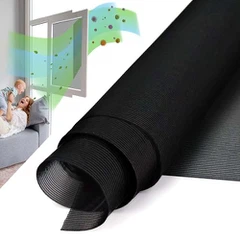
Hey there! As a supplier of mosquito pleated mesh, I'm super excited to take you through the production process of this amazing product. Mosquito pleated mesh is a game - changer when it comes to keeping those pesky mosquitoes out while still allowing fresh air to flow in. So, let's dive right in!
Raw Material Selection
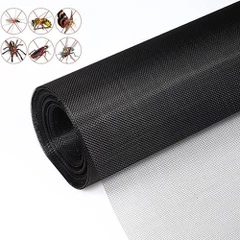
The very first step in the production of mosquito pleated mesh is choosing the right raw materials. We typically use high - quality polyester or fiberglass. Polyester is great because it's durable, resistant to moisture, and doesn't stretch easily. Fiberglass, on the other hand, is strong and has excellent heat resistance.
We source our raw materials from trusted suppliers. We make sure that the materials meet strict quality standards. This is crucial because the quality of the raw materials directly affects the final product. For instance, if the polyester isn't of good quality, the mesh might tear easily or lose its shape over time.
Extrusion Process
Once we have the raw materials, the next step is the extrusion process. In this process, the raw materials are melted down and forced through a die to create the basic shape of the mesh. The die is designed to give the mesh its characteristic pattern and size.
The temperature and pressure during extrusion are carefully controlled. If the temperature is too high, the material might break down and lose its properties. If the pressure is too low, the mesh might not have a uniform thickness. This step requires a lot of precision, and we use advanced machinery to ensure everything goes smoothly.
Weaving or Knitting
After extrusion, the mesh is either woven or knitted. Weaving involves interlacing two sets of yarns at right angles to create a fabric - like structure. Knitting, on the other hand, uses a single yarn to create loops that are interlocked.
Weaving gives the mesh a more stable and rigid structure, which is great for applications where the mesh needs to be very strong. Knitting, however, makes the mesh more flexible and stretchable. Depending on the intended use of the mosquito pleated mesh, we choose the appropriate method.
Coating and Treatment
Once the mesh is woven or knitted, it undergoes a coating and treatment process. We apply a special coating to the mesh to make it more resistant to UV rays, water, and chemicals. This coating also helps to prevent the growth of mold and mildew.
In addition to the coating, we also treat the mesh to enhance its pleating properties. The treatment makes the mesh easier to fold and pleat, and it helps to maintain the pleats over time. This is important because the pleated design of the mesh is what makes it so effective at keeping mosquitoes out and easy to store.
Pleating
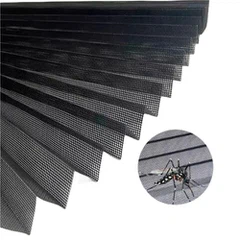
The pleating process is where the magic happens. We use specialized machinery to fold the mesh into pleats. The pleats are carefully spaced and sized to ensure maximum effectiveness. The size of the pleats can vary depending on the customer's requirements.


During pleating, we make sure that the mesh is folded evenly and tightly. This ensures that the mesh will be able to expand and contract smoothly when it's in use. The pleating process also requires a lot of skill and attention to detail, as any mistakes can affect the performance of the final product.
Cutting and Assembly
After pleating, the mesh is cut to the desired size and shape. We use precision cutting tools to ensure that the edges are clean and straight. The cut pieces of mesh are then assembled into the final product.
Assembly might involve attaching the mesh to a frame or adding other components such as handles or tracks. We make sure that all the components are securely attached and that the final product is easy to install and use.
Quality Control
Quality control is an essential part of the production process. We have a team of experienced quality control inspectors who check every batch of mosquito pleated mesh. They look for any defects such as holes, uneven pleats, or loose threads.
We also conduct various tests on the mesh to ensure that it meets our quality standards. These tests include strength tests, UV resistance tests, and water resistance tests. Only after the mesh passes all the tests is it approved for sale.
Packaging and Shipping
Once the mosquito pleated mesh has passed quality control, it's time for packaging and shipping. We use high - quality packaging materials to protect the mesh during transit. The packaging is designed to be both sturdy and environmentally friendly.
We offer various shipping options to our customers, depending on their location and requirements. We work with reliable shipping companies to ensure that the products are delivered on time and in good condition.
Applications of Mosquito Pleated Mesh
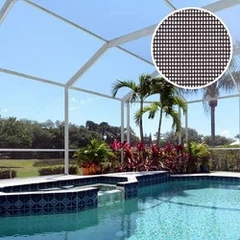
Mosquito pleated mesh has a wide range of applications. It's commonly used in windows and doors to keep mosquitoes and other insects out. You can also use it on porches, patios, and gazebos to create a mosquito - free outdoor space.
For those interested in different types of products related to mosquito pleated mesh, you can check out our Plisse Insect Screen, Folding Retractable Screen, and Pleat Mesh on our website.
Why Choose Our Mosquito Pleated Mesh
There are several reasons why you should choose our mosquito pleated mesh. Firstly, we use high - quality raw materials and advanced production techniques to ensure that our products are of the highest quality. Secondly, we offer a wide range of sizes and designs to meet the different needs of our customers.
We also provide excellent customer service. Our team is always ready to answer your questions and help you choose the right product for your needs. Whether you're a homeowner looking to protect your family from mosquitoes or a contractor working on a large - scale project, we've got you covered.
Contact Us for Procurement
If you're interested in purchasing mosquito pleated mesh, we'd love to hear from you. We can offer you competitive prices and high - quality products. Just reach out to us, and we'll start the procurement and negotiation process. Whether you have specific requirements or just want to learn more about our products, don't hesitate to get in touch.
References
- Textile Manufacturing Handbook: A Comprehensive Guide to the Textile Industry.
- Advances in Mesh Technology and Applications.