

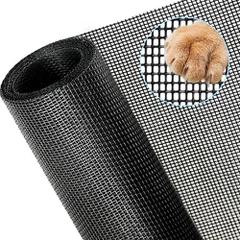
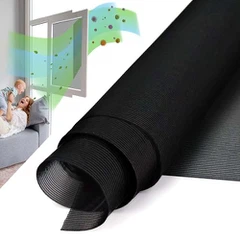
As a seasoned supplier of polyester shading mesh, I've witnessed firsthand the growing demand for this versatile product. One of the most frequently asked questions from our clients is about the light transmittance of polyester shading mesh. In this blog post, I'll delve into the concept of light transmittance, its significance, and how it relates to our polyester shading mesh.
Understanding Light Transmittance
Light transmittance refers to the percentage of light that passes through a material. In the context of shading mesh, it's a crucial factor as it determines how much sunlight will be allowed into a space. A lower light transmittance means less light passes through the mesh, resulting in more shade. Conversely, a higher light transmittance allows more light to penetrate, providing a brighter environment.
The light transmittance of a material is influenced by several factors, including its composition, density, and the size of its openings. In the case of polyester shading mesh, these factors are carefully engineered to achieve specific light transmittance levels.
Factors Affecting the Light Transmittance of Polyester Shading Mesh
Composition
Polyester is a synthetic polymer known for its durability and resistance to environmental factors. The quality and type of polyester used in the shading mesh can impact its light transmittance. High - quality polyester with a uniform molecular structure can provide more consistent light - blocking properties.
Density
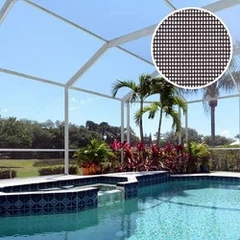
The density of the shading mesh, which is often measured in terms of the number of threads per square inch, plays a significant role. A denser mesh with more threads will have a lower light transmittance because there are fewer openings for light to pass through. For example, a mesh with a high thread count will create a darker shade compared to a more loosely woven one.
Opening Size
The size of the openings in the mesh directly affects light transmittance. Smaller openings restrict the passage of light, resulting in lower light transmittance. Larger openings, on the other hand, allow more light to pass through, increasing the light transmittance.
Common Light Transmittance Levels and Their Applications
Low Light Transmittance (5% - 15%)
Shading meshes with low light transmittance are ideal for applications where maximum shade is required. For instance, in greenhouses growing plants that are sensitive to direct sunlight, such as orchids or certain types of ferns, a low - transmittance mesh can protect the plants from excessive light and heat. In outdoor patios or pergolas, these meshes can create a cool and comfortable environment, even on the sunniest days. You can check out our Fiberglass+PVC Sunshade 3% Fabric for an option with extremely low light transmittance.
Medium Light Transmittance (15% - 35%)
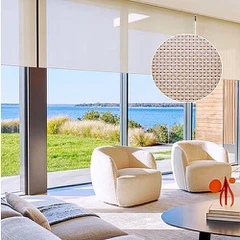
Meshes with medium light transmittance are versatile and can be used in a variety of settings. In commercial buildings, they can be installed on windows to reduce glare and heat gain while still allowing a sufficient amount of natural light to enter the space. In residential gardens, these meshes can provide partial shade for plants that need some sunlight but not too much, like tomatoes or peppers. Our Screen Fabric Roller Blinds are available in medium - light - transmittance options, suitable for both indoor and outdoor use.

High Light Transmittance (35% - 60%)
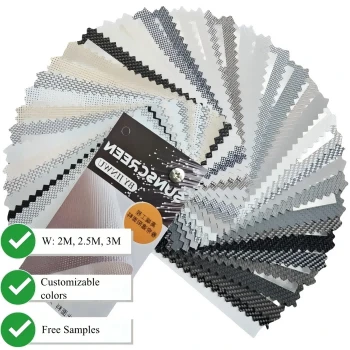
High - light - transmittance shading meshes are used when the goal is to filter sunlight rather than block it completely. They are often used in areas where a bright but diffused light is desired, such as in atriums or conservatories. These meshes can also be used in agricultural settings for crops that require a lot of sunlight, like cucumbers or melons, to protect them from the harshest rays while still allowing for photosynthesis. Our Solar Screen Mesh offers high - light - transmittance options for such applications.
Measuring Light Transmittance
Accurately measuring the light transmittance of polyester shading mesh is essential for ensuring that it meets the desired specifications. There are several methods used to measure light transmittance:
Spectrophotometry
This method uses a spectrophotometer to measure the amount of light absorbed and transmitted by the mesh at different wavelengths. It provides a detailed analysis of the mesh's optical properties and can be used to determine its light transmittance across the visible light spectrum.
Integrating Sphere
An integrating sphere is a device that measures the total amount of light that passes through a sample. It is a more practical method for measuring the overall light transmittance of a shading mesh, especially for large - scale production and quality control.
Benefits of Controlling Light Transmittance with Polyester Shading Mesh
Energy Efficiency
By reducing the amount of sunlight entering a building, polyester shading mesh can significantly reduce the need for air - conditioning. This leads to lower energy consumption and cost savings in the long run. In commercial buildings, this can have a substantial impact on the bottom line, while in residential properties, it can make the home more environmentally friendly and cost - effective.
Comfort
Controlling light transmittance helps to create a more comfortable indoor environment. By reducing glare on computer screens and furniture, it improves visual comfort. In outdoor spaces, it provides a cooler and more pleasant area for relaxation and entertainment.
Plant Health
In agricultural applications, proper light transmittance control is crucial for plant health. By providing the right amount of light, plants can grow more vigorously and produce higher yields. Polyester shading mesh can also protect plants from damage caused by excessive sunlight, such as sunburn or heat stress.
Choosing the Right Polyester Shading Mesh Based on Light Transmittance
When selecting a polyester shading mesh, it's important to consider the specific requirements of your application. Think about the amount of shade you need, the orientation of the space, and the type of activities that will take place in the area.
If you're unsure about which light transmittance level is best for your needs, our team of experts is always available to provide guidance. We have a wide range of polyester shading mesh products, each with different light transmittance levels, to meet the diverse needs of our clients.
Conclusion
The light transmittance of polyester shading mesh is a critical factor that determines its functionality and suitability for various applications. Whether you're looking to create a cool outdoor space, protect plants in a greenhouse, or improve the energy efficiency of a building, understanding light transmittance can help you make an informed decision.
As a supplier of high - quality polyester shading mesh, we are committed to providing our clients with products that meet the highest standards of performance and quality. If you're interested in learning more about our products or have specific requirements for your project, we encourage you to reach out to us. Our team is ready to assist you in finding the perfect shading solution for your needs.
References
- ASTM International. (2023). Standard test methods for measuring solar reflectance of horizontal and low - sloped opaque surfaces in the field. ASTM E1918 - 19.
- National Renewable Energy Laboratory. (2022). Energy efficiency in buildings: The role of shading devices. NREL Technical Report.
- American Society of Agricultural and Biological Engineers. (2021). Standards for agricultural and horticultural shading materials. ASABE Standards.