


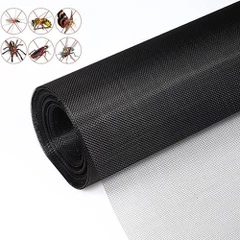
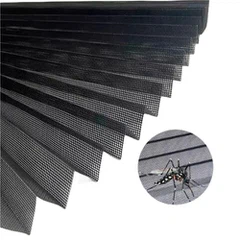
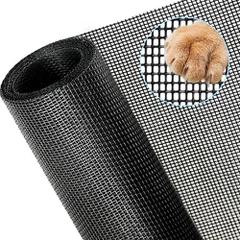
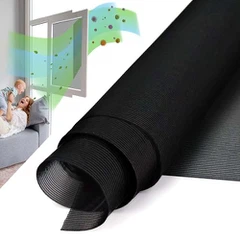
Elasticity is a fundamental mechanical property that significantly influences the performance, functionality, and suitability of materials for various applications. When it comes to polyester shading mesh, understanding its elasticity provides valuable insights into its behavior under different conditions. As a supplier of polyester shading mesh, I am often asked about the elasticity of our products. In this blog post, I will delve into the concept of elasticity in polyester shading mesh, exploring what it is, why it matters, and how it impacts the use of this versatile material.
Understanding Elasticity
Elasticity refers to the ability of a material to deform under stress and return to its original shape once the stress is removed. In the context of polyester shading mesh, this property determines how the mesh will respond to forces such as wind, tension, and stretching. A high - elasticity mesh can stretch to accommodate these forces without permanent damage, while a low - elasticity mesh may be more rigid and prone to tearing or deformation under stress.
The elasticity of a material is typically measured using the modulus of elasticity, also known as Young's modulus. This value represents the ratio of stress (force per unit area) to strain (deformation) within the elastic limit of the material. A higher modulus of elasticity indicates a stiffer material, while a lower modulus indicates a more elastic one.
Factors Affecting the Elasticity of Polyester Shading Mesh
1. Polyester Fiber Properties
The type and quality of polyester fibers used in the mesh play a crucial role in determining its elasticity. Different formulations of polyester can have varying molecular structures, which affect their ability to stretch and recover. For instance, polyester fibers with a more linear molecular structure may offer higher elasticity compared to those with a more branched structure.
2. Mesh Construction
The way the polyester shading mesh is constructed, including the weaving or knitting pattern, also impacts its elasticity. A mesh with a loose weave may have more elasticity as the fibers have more room to move and stretch. On the other hand, a tightly woven mesh may be stiffer and less elastic.
3. Coating and Treatments
Many polyester shading meshes are coated or treated to enhance certain properties such as UV resistance, water repellency, or fire resistance. These coatings can affect the mesh's elasticity. For example, a thick, rigid coating may reduce the mesh's ability to stretch, while a flexible coating may have a minimal impact on elasticity.
Importance of Elasticity in Polyester Shading Mesh
1. Durability
Elasticity is closely linked to the durability of polyester shading mesh. A mesh with good elasticity can withstand repeated stretching and contraction caused by environmental factors such as wind and temperature changes without losing its integrity. This means less wear and tear over time, resulting in a longer lifespan for the shading mesh.
2. Installation
During installation, the elasticity of the polyester shading mesh can make a significant difference. An elastic mesh can be more easily stretched to fit around frames or structures, ensuring a snug and secure fit. This reduces the likelihood of gaps or sagging, which can compromise the shading effectiveness.
3. Performance
In terms of performance, the elasticity of the mesh affects its ability to block sunlight and provide shade. A flexible mesh can conform to the shape of the surface it is covering, maximizing the coverage area and improving the shading efficiency. Additionally, an elastic mesh can better withstand sudden gusts of wind, maintaining its position and function.
Applications and Elasticity Requirements
1. Outdoor Shading Structures
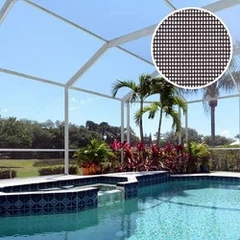
For outdoor shading structures such as pergolas, awnings, and sail shades, high elasticity is often desirable. These structures are exposed to wind, which can exert significant forces on the shading mesh. An elastic mesh can stretch and sway with the wind, reducing the risk of damage. Our Exterior Sun Control Mesh is designed with appropriate elasticity to meet the demands of these outdoor applications.
2. Indoor Shading
In indoor applications like window shades or room dividers, the elasticity requirements may be different. While some level of flexibility is beneficial for easy installation and adjustment, excessive elasticity may not be necessary. Our Polyester Blackout Fabric offers a balance of flexibility and stiffness, suitable for indoor shading needs.
3. Agricultural Shading
In agricultural settings, such as greenhouse shading or livestock shelters, the elasticity of the mesh is important for withstanding the elements and the movement of crops or animals. A mesh with good elasticity can adapt to the growth and movement of plants, providing consistent shading throughout the growing season.
Measuring and Characterizing Elasticity
To accurately assess the elasticity of polyester shading mesh, several testing methods can be employed. Tensile testing is one of the most common methods, where a sample of the mesh is subjected to a gradually increasing force until it breaks. The stress - strain curve obtained from this test can provide valuable information about the mesh's elastic limit, modulus of elasticity, and ultimate tensile strength.
Another method is cyclic testing, which involves repeatedly stretching and relaxing the mesh sample to simulate real - world conditions. This test can help determine the fatigue resistance and long - term elasticity of the mesh.
Impact of Elasticity on Product Quality and Pricing
The elasticity of polyester shading mesh can have a direct impact on product quality and pricing. High - elasticity meshes are generally more durable and offer better performance, which can justify a higher price point. However, it's important to note that the optimal level of elasticity depends on the specific application. For some applications, a lower - elasticity mesh may be sufficient and more cost - effective.
Comparing Polyester Shading Mesh with Other Materials
When compared to other shading materials such as fiberglass or PVC - coated fabrics, polyester shading mesh offers a unique combination of elasticity, durability, and cost - effectiveness. Fiberglass materials tend to be stiffer and less elastic, while PVC - coated fabrics may have different levels of elasticity depending on the coating and construction. Our 450GSM Fiberglass+PVC Sunshade 5% Fabric can be used in comparison to understand the differences in elasticity and performance.
Conclusion
In conclusion, the elasticity of polyester shading mesh is a critical property that affects its durability, installation, performance, and suitability for various applications. As a supplier, we take great care in selecting the right polyester fibers, optimizing the mesh construction, and applying appropriate coatings to ensure that our products offer the ideal level of elasticity for each use case.
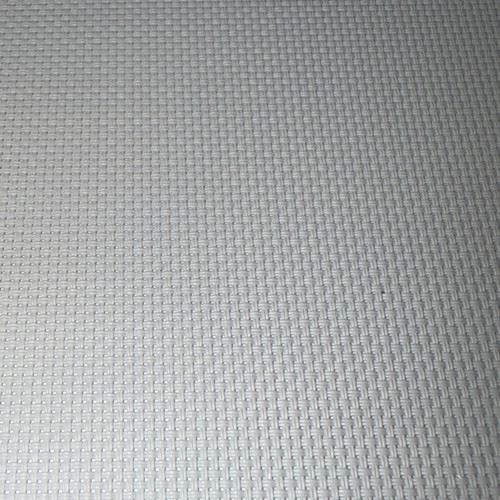
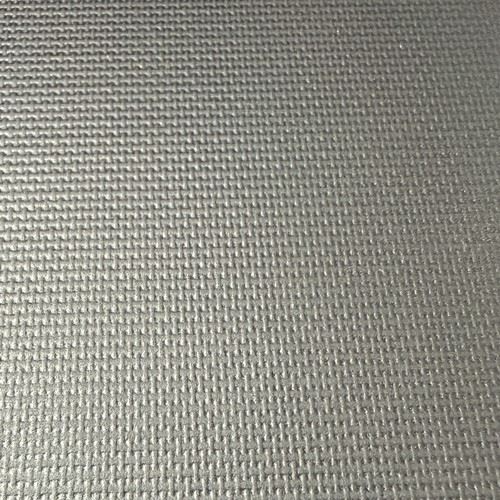
Whether you are looking for an outdoor shading solution for your patio or an indoor blackout fabric for your home, understanding the elasticity of the polyester shading mesh is essential for making an informed decision. If you have any questions or are interested in our polyester shading mesh products, please don't hesitate to contact us to discuss your specific requirements. We are committed to providing high - quality products and excellent customer service to meet your shading needs.
References
- Callister, W. D., & Rethwisch, D. G. (2010). Materials Science and Engineering: An Introduction. Wiley.
- ASTM International. (2019). Standard Test Methods for Tensile Properties of Textile Fabrics. ASTM D5034 - 19.