

Hey there! As a supplier of polyester shading mesh, I've been getting a lot of questions lately about how it affects indoor temperature. So, I thought I'd take a deep dive into this topic and share some insights with you all.
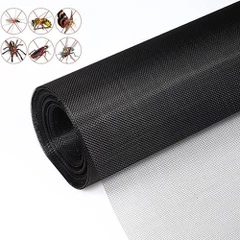
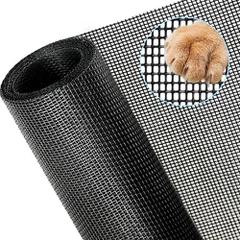
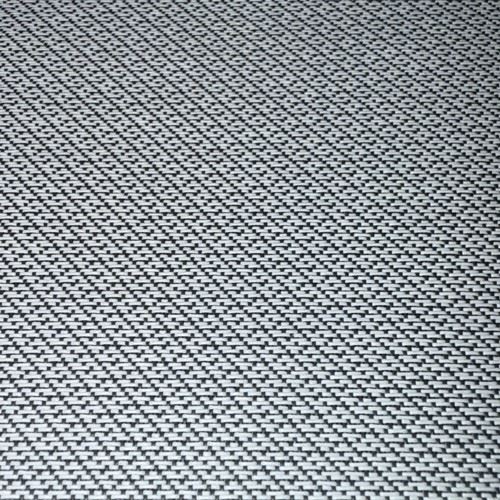
Let's start with the basics. Polyester shading mesh is a popular choice for shading applications in both residential and commercial settings. It's made from high - quality polyester fibers that are woven together to create a mesh structure. This mesh is then often coated with PVC to enhance its durability, UV resistance, and shading properties.
How Does Polyester Shading Mesh Work?
The main way polyester shading mesh affects indoor temperature is by blocking sunlight. When sunlight hits a building, it brings in a significant amount of heat. This heat can make the indoor environment uncomfortable and increase the load on air - conditioning systems.
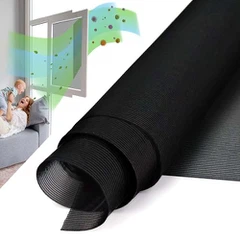
Polyester shading mesh acts as a barrier between the sun and the building. The mesh structure allows it to block a large portion of the sun's rays while still allowing some light and air to pass through. This is different from solid shading materials that completely block out light and air.
The shading coefficient of the mesh is an important factor here. The shading coefficient represents the amount of solar heat that passes through the mesh compared to the amount that would pass through a clear glass. A lower shading coefficient means that less solar heat is transmitted, which is better for keeping the indoor temperature down.
The Impact on Indoor Temperature
Reducing Heat Gain
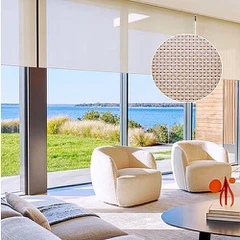
One of the most obvious effects of polyester shading mesh on indoor temperature is the reduction of heat gain. During the hot summer months, the sun can heat up a building quickly, especially if there are large windows or areas exposed to direct sunlight. By installing polyester shading mesh on the windows or in outdoor areas, you can significantly reduce the amount of heat that enters the building.
For example, in a room with large south - facing windows, the temperature can rise by several degrees during the day if there is no shading. But when you install a high - quality polyester shading mesh, the temperature increase can be much less. This means that your air - conditioning system doesn't have to work as hard to keep the room cool, which can lead to energy savings.
Improving Comfort
In addition to reducing heat gain, polyester shading mesh also improves the overall comfort of the indoor environment. When the sun shines directly into a room, it can create hot spots and glare, making it difficult to relax or work. The mesh diffuses the sunlight, creating a more even and comfortable light distribution.
You won't have to deal with the harsh glare on your computer screen or the discomfort of sitting in a spot that's too hot. Instead, you'll have a more pleasant and productive indoor space.
Energy Savings
As I mentioned earlier, by reducing the heat gain, polyester shading mesh can lead to significant energy savings. Your air - conditioning system doesn't have to run as long or as hard to maintain a comfortable temperature. This can translate into lower electricity bills, especially in areas with long and hot summers.
According to some studies, using shading devices like polyester shading mesh can reduce cooling energy consumption by up to 30%. That's a pretty substantial savings over time!
Different Types of Polyester Shading Mesh
There are different types of polyester shading mesh available on the market, each with its own characteristics and shading properties.
Polyester+PVC Sunshade 1% Fabric
The Polyester+PVC Sunshade 1% Fabric is a high - performance shading material. It has a very low shading coefficient, which means it blocks a large percentage of solar heat. This type of mesh is ideal for areas that receive a lot of direct sunlight, such as buildings in sunny climates or rooms with large windows facing the sun.
Polyester+PVC Sunshade 3% Fabric
The Polyester+PVC Sunshade 3% Fabric offers a slightly higher level of light transmission compared to the 1% fabric. It still provides good shading and heat reduction, but it allows a bit more light to enter the building. This can be a good choice for areas where you want to maintain a balance between shading and natural light.
Solar Screen Mesh
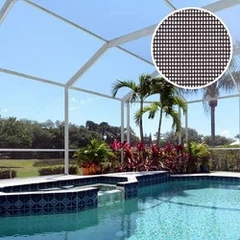
The Solar Screen Mesh is another popular option. It's designed to be highly effective at blocking solar heat while still allowing air to circulate. This type of mesh is often used in outdoor shading applications, such as patios and pergolas, as well as on windows.
Installation and Maintenance
Installing polyester shading mesh is relatively easy. It can be installed on windows using special mounting hardware or in outdoor areas using frames and supports. It's important to ensure that the mesh is installed correctly to maximize its shading effectiveness.
Maintenance is also straightforward. The mesh can be cleaned with a mild detergent and water to remove dirt and debris. Regular cleaning will help to maintain the appearance and performance of the mesh.
Conclusion
In conclusion, polyester shading mesh has a significant effect on indoor temperature. It reduces heat gain, improves comfort, and can lead to energy savings. Whether you're looking to cool down your home or reduce the energy costs of a commercial building, polyester shading mesh is a great option.
If you're interested in learning more about our polyester shading mesh products or have any questions about how they can be used in your specific situation, don't hesitate to reach out. We're here to help you find the best shading solution for your needs. Let's work together to create a more comfortable and energy - efficient indoor environment!

References
- ASHRAE Handbook of Fundamentals. American Society of Heating, Refrigerating and Air - Conditioning Engineers.
- "Energy - efficient Window Shading Devices" by the U.S. Department of Energy.