


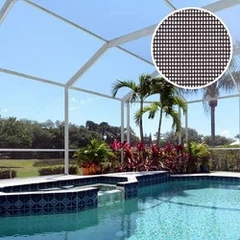
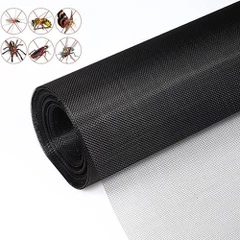
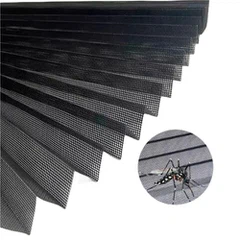
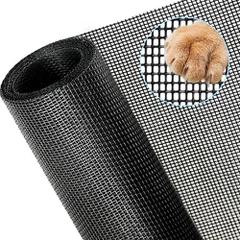
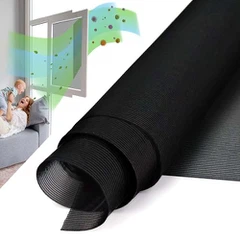
A fiberglass pool screen is a popular addition to many pool owners' outdoor spaces. As a supplier of high - quality fiberglass pool screens, I've had numerous customers inquire about the effects these screens have on pool circulation. In this blog, we'll explore the various aspects of how a fiberglass pool screen can impact pool circulation.
How Pool Circulation Works
Before delving into the effects of a fiberglass pool screen, it's essential to understand how pool circulation functions. Pool circulation is a crucial process that ensures the proper distribution of chemicals, filtration of debris, and maintenance of water temperature. A typical pool circulation system consists of a pump, filter, and a network of pipes. The pump draws water from the pool, sends it through the filter to remove impurities, and then returns the clean water back into the pool.
Positive Effects of Fiberglass Pool Screens on Pool Circulation
1. Protection from Debris
One of the most significant benefits of a fiberglass pool screen is its ability to keep debris out of the pool. Leaves, twigs, and other organic matter can clog the pool's circulation system, reducing its efficiency. When a pool screen is installed, it acts as a barrier, preventing large debris from entering the water. This means that the pool pump and filter don't have to work as hard to remove debris, allowing for a more consistent and efficient circulation. For example, without a screen, a large number of leaves could enter the pool during a windy day. These leaves could get stuck in the pump impeller or clog the filter, leading to reduced water flow. With a fiberglass pool screen, such issues are minimized, ensuring that the circulation system can operate smoothly. You can find high - quality Fiberglass Insect Mesh that can effectively keep out debris while allowing for proper air and water movement around the pool area.
2. Reduction of Wind - Induced Turbulence
Wind can have a significant impact on pool circulation. Strong winds can create uneven water movement, causing some areas of the pool to have poor circulation. A fiberglass pool screen can act as a windbreak, reducing the force of the wind hitting the pool surface. By reducing wind - induced turbulence, the pool's circulation system can work more effectively. The water in the pool is less likely to be pushed around in an erratic manner, allowing the pump to draw water from the pool in a more consistent way. This results in better distribution of chemicals and a more uniform water temperature throughout the pool.
3. Protection from Insects
Insects can also disrupt pool circulation. When insects enter the pool, they can get caught in the pump or filter, causing blockages. Fiberglass pool screens are effective at keeping insects out of the pool. This not only makes the pool a more enjoyable place to swim but also helps maintain the integrity of the circulation system. Insects like mosquitoes and dragonflies are common in outdoor areas, and their presence in the pool can be a nuisance. By using a Fiberglass Screen for Patio, you can create a bug - free environment around the pool, ensuring that the circulation system remains unobstructed.
Negative Effects of Fiberglass Pool Screens on Pool Circulation
1. Restricted Airflow
While a fiberglass pool screen can protect the pool from various elements, it can also restrict airflow around the pool. Airflow is important for pool circulation as it helps with evaporation, which in turn affects the water temperature and chemical balance. When the airflow is restricted, evaporation rates may decrease. This can lead to an increase in water temperature and a build - up of chemicals in the pool. For example, chlorine may not dissipate as quickly, leading to higher chlorine levels in the water. To mitigate this issue, it's important to choose a fiberglass pool screen with a design that allows for adequate airflow. Some screens are designed with larger mesh sizes or special ventilation features to ensure that air can still move freely around the pool.
2. Potential for Water Stagnation in Corners
Fiberglass pool screens can sometimes create areas of water stagnation, especially in the corners of the pool. The screen may block the natural movement of water, causing it to accumulate in certain areas. Stagnant water can become a breeding ground for bacteria and algae, which can further disrupt the pool's circulation system. To prevent this, proper pool design and the use of additional circulation devices, such as pool jets, may be necessary. These devices can help to keep the water moving in all areas of the pool, even those that are affected by the presence of the screen.
Impact on Chemical Distribution
Pool circulation plays a vital role in the distribution of chemicals throughout the pool. A fiberglass pool screen can have both positive and negative effects on chemical distribution. On the positive side, as mentioned earlier, by protecting the pool from debris and insects, the circulation system can operate more efficiently, leading to better chemical distribution. The pump can draw water from different parts of the pool and distribute chemicals evenly. However, if the screen restricts airflow and causes water stagnation, it can lead to uneven chemical distribution. Chemicals may not reach all areas of the pool, resulting in some areas having higher or lower chemical concentrations than others.
Impact on Water Temperature
Water temperature is an important factor in pool comfort and the overall health of the pool. A fiberglass pool screen can affect water temperature in several ways. As a windbreak, it can reduce heat loss due to evaporation. In cooler weather, this can help to keep the pool water warmer. However, as mentioned earlier, restricted airflow can also lead to an increase in water temperature. If the screen prevents the natural cooling effect of evaporation, the water temperature may rise, especially during hot summer days. It's important to monitor the water temperature regularly and adjust the pool's heating or cooling systems accordingly.

Choosing the Right Fiberglass Pool Screen
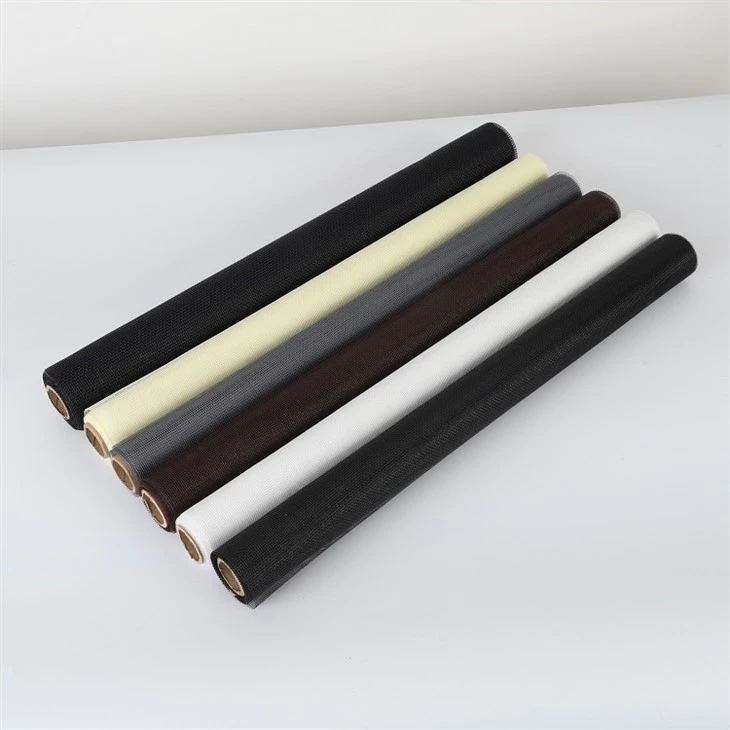
To ensure that the fiberglass pool screen has a positive impact on pool circulation, it's crucial to choose the right screen. Consider the following factors:
- Mesh Size: A smaller mesh size will provide better protection from debris and insects but may restrict airflow more. A larger mesh size will allow for more airflow but may not be as effective at keeping out small debris.
- Screen Design: Look for screens with ventilation features or designs that allow for natural air and water movement. Some screens are designed to be more aerodynamic, reducing the impact on airflow.
- Quality of Materials: High - quality fiberglass materials are more durable and less likely to tear or become damaged over time. This ensures that the screen will continue to function effectively in protecting the pool and its circulation system. You can explore Center Hinged Patio Door Screen options that offer both functionality and aesthetic appeal.
Conclusion
In conclusion, a fiberglass pool screen can have both positive and negative effects on pool circulation. On the positive side, it can protect the pool from debris, reduce wind - induced turbulence, and keep insects out. However, it can also restrict airflow and cause water stagnation in some areas. By choosing the right fiberglass pool screen and implementing proper pool design and maintenance strategies, you can minimize the negative effects and maximize the benefits.
If you're considering installing a fiberglass pool screen for your pool, I encourage you to reach out to discuss your specific needs. Our team of experts can help you select the most suitable screen for your pool and ensure that it has a positive impact on your pool's circulation system. Contact us to start the procurement process and take the first step towards a more efficient and enjoyable pool experience.
References
- "Pool Circulation: The Basics" - Pool & Spa News
- "The Impact of Outdoor Structures on Pool Environment" - Journal of Aquatic Engineering
- "Fiberglass Pool Screens: A Guide to Selection and Installation" - Home Improvement Magazine