


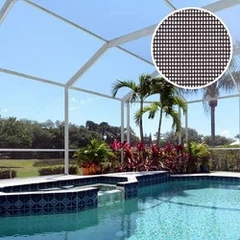
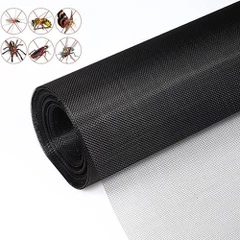
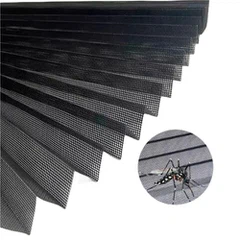
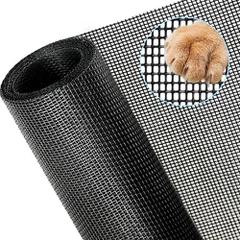
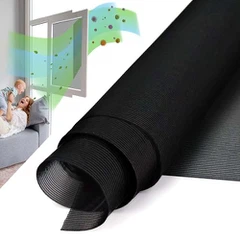
In today's world, where environmental concerns and health awareness are on the rise, the quality of the air we breathe has become a significant issue. One often overlooked aspect is the role of window screens in filtering out pollutants, especially pollen. As a supplier of anti pollen screens, I've witnessed firsthand the growing demand for these specialized products and the confusion surrounding the differences between regular screens and anti pollen screens. In this blog post, I'll delve into the key distinctions between the two, highlighting the benefits of choosing an anti pollen screen for your home or business.
Structure and Material
Regular screens are typically made of fiberglass, aluminum, or stainless steel. Fiberglass screens are the most common and are known for their affordability and ease of installation. They have a basic mesh structure that allows air to flow through while keeping out larger insects like flies and mosquitoes. Aluminum and stainless steel screens are more durable and resistant to corrosion, making them suitable for areas with harsh weather conditions. However, the mesh size of regular screens is relatively large, usually around 18 x 16 mesh (18 wires per inch horizontally and 16 wires per inch vertically). This size is sufficient to block insects but not small enough to filter out pollen particles.
On the other hand, anti pollen screens are designed with a much finer mesh. They are often made from high - tech synthetic materials such as polyester or polypropylene. These materials can be engineered to have a mesh size as small as 100 microns or even less. The finer mesh is crucial for capturing pollen, which can range in size from about 10 to 100 microns. The smaller the mesh, the more effective the screen is at preventing pollen from entering the building.
Filtration Efficiency
The primary function of a regular screen is to keep insects out. It offers little to no protection against pollen. Pollen grains are so small that they can easily pass through the large openings in a regular screen. As a result, people who are allergic to pollen may still experience symptoms such as sneezing, itching, and watery eyes even when they have regular screens on their windows.
Anti pollen screens, however, are specifically designed to filter out pollen. They can capture a significant percentage of pollen particles in the air, depending on the quality and mesh size of the screen. Some high - end anti pollen screens can filter out up to 95% of pollen. This high filtration efficiency can greatly reduce the amount of pollen indoors, providing relief for allergy sufferers and creating a healthier living environment.
Airflow and Ventilation
One concern that people often have when considering anti pollen screens is whether they will restrict airflow. Regular screens generally have minimal impact on airflow because of their large mesh size. Air can easily pass through the openings, allowing for good ventilation in the building.
Anti pollen screens, with their finer mesh, do present some resistance to airflow. However, modern anti pollen screens are designed to balance filtration efficiency with airflow. Advanced manufacturing techniques ensure that the screens have a structure that allows for adequate air circulation while still effectively filtering pollen. Some anti pollen screens are even engineered to have a unique pattern or texture that helps to direct air through the screen, minimizing the reduction in ventilation.
Durability and Maintenance
Regular screens are relatively durable and require minimal maintenance. Fiberglass screens can last for several years, although they may become brittle over time and need to be replaced. Aluminum and stainless steel screens are more long - lasting and can withstand more wear and tear. Cleaning a regular screen usually involves a simple rinse with water and a mild detergent.
Anti pollen screens also offer good durability. The synthetic materials used in their construction are resistant to mold, mildew, and UV rays. However, because of their finer mesh, they may require more frequent cleaning to maintain their filtration efficiency. Pollen and other debris can accumulate on the screen, blocking the openings and reducing its ability to filter. Cleaning an anti pollen screen may involve a more thorough process, such as using a soft brush or a low - pressure water spray to remove the trapped particles.
Cost
Cost is an important factor when choosing between a regular screen and an anti pollen screen. Regular screens are generally more affordable. They are widely available and come in a variety of price ranges to suit different budgets.
Anti pollen screens are more expensive due to the specialized materials and manufacturing processes involved. However, when considering the long - term benefits, such as improved health for allergy sufferers and a cleaner indoor environment, the investment in an anti pollen screen can be well worth it.
Why Choose Our Anti Pollen Screens
As a supplier of anti pollen screens, we offer a range of high - quality products that are designed to meet the specific needs of our customers. Our Anti Pollen Window Screen is made from the latest synthetic materials, ensuring excellent filtration efficiency and durability. We also provide Anti Pollen Screen options that are customized to fit different window sizes and styles.
In addition, our Pollen and Dust Window Screens not only filter out pollen but also other fine dust particles, providing comprehensive protection for your indoor air quality. Our team of experts is always available to provide advice on the best screen for your situation and to assist with installation.


If you're interested in improving the air quality in your home or business and protecting against pollen, we invite you to contact us for a consultation. We can discuss your specific requirements and provide you with a quote for our anti pollen screens. Whether you're an allergy sufferer looking for relief or a building owner concerned about the health of your occupants, our anti pollen screens are the solution you've been looking for.
References
- "The Impact of Window Screens on Indoor Air Quality" - Journal of Environmental Health
- "Filtration Efficiency of Different Mesh Screens for Pollen and Particulate Matter" - International Journal of Air Quality and Climate Change
- "Advances in Anti - Pollen Screen Technology" - Building Science and Technology Review