


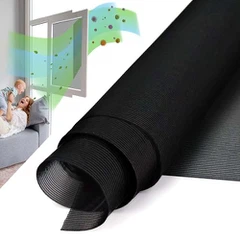
When it comes to creating a comfortable and healthy indoor environment, the choice of window screens plays a significant role. Regular screens and pollen guard screens are two common options, but they serve different purposes and have distinct characteristics. As a supplier of pollen guard screens, I'm here to shed light on the differences between these two types of screens.
Structure and Material
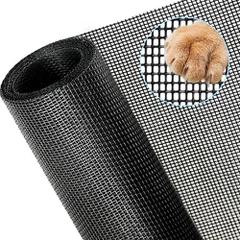
Regular screens are typically made of materials like aluminum, fiberglass, or stainless steel. Aluminum screens are lightweight, durable, and resistant to rust. They are a popular choice for general use due to their affordability and long - lasting nature. Fiberglass screens, on the other hand, are more flexible and less likely to crease or dent. They offer good visibility and airflow. Stainless steel screens are known for their high strength and corrosion resistance, making them suitable for areas with harsh weather conditions.
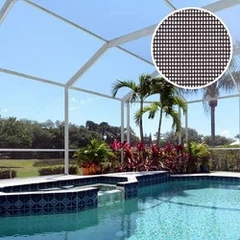
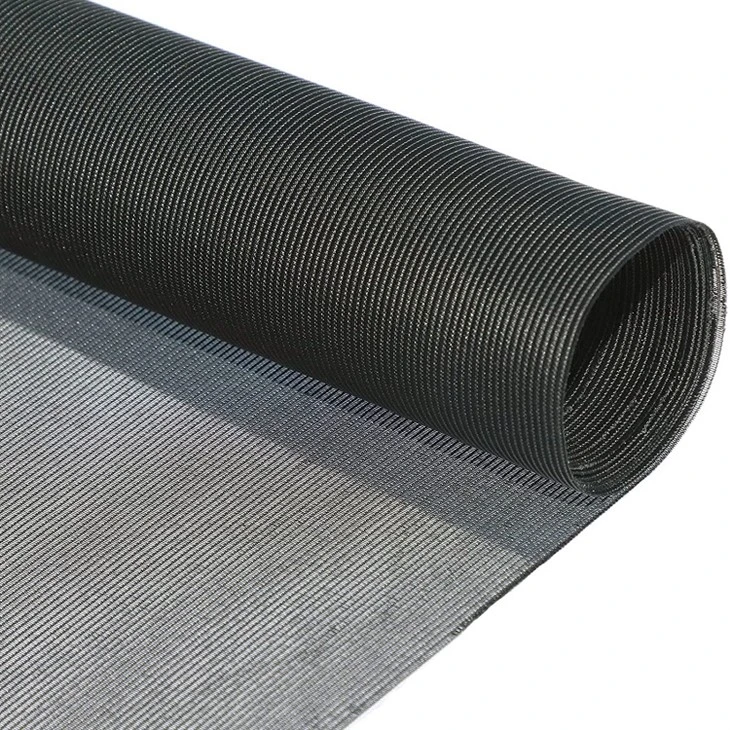
Pollen guard screens, however, are designed with a different focus. They are often constructed from fine - mesh materials that are specifically engineered to block pollen particles. These meshes are made from synthetic polymers or advanced textile materials. The fine mesh structure is the key to their effectiveness in filtering out pollen. For example, some pollen guard screens have a mesh size as small as a few micrometers, which is much smaller than the mesh size of regular screens. This allows them to trap pollen grains while still permitting air to pass through. You can find a wide range of pollen guard screens, such as the Anti Pollen Window Screen, which is designed with this high - precision mesh technology.
Functionality
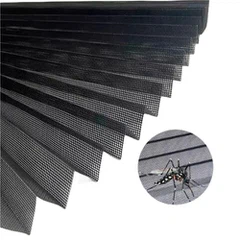
The primary function of a regular screen is to keep insects out of the house while allowing fresh air to circulate. It acts as a physical barrier against mosquitoes, flies, and other bugs. Regular screens also provide a certain level of protection against debris and small objects from entering through the windows.
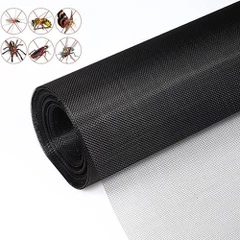
Pollen guard screens, as the name suggests, are mainly focused on filtering pollen. Pollen is a common allergen that can cause a variety of allergic reactions, such as sneezing, itching, watery eyes, and respiratory problems. By installing a pollen guard screen, you can significantly reduce the amount of pollen that enters your home. This is especially beneficial for people with pollen allergies or asthma. For instance, the 16×48 Pollen Screen Mesh is designed to effectively block pollen particles, providing a cleaner and more allergen - free indoor environment.
In addition to pollen, some pollen guard screens can also filter out other airborne particles, such as dust, mold spores, and pet dander. This multi - filtering functionality makes them a great choice for improving indoor air quality.

Visibility and Aesthetics
Regular screens usually have a relatively large mesh size, which means they offer good visibility from both inside and outside the house. They blend in well with the overall look of the window and do not significantly obstruct the view. The materials used in regular screens also come in a variety of colors, allowing you to choose one that matches your window frame and the exterior of your house.
Pollen guard screens, with their fine - mesh structure, may have a slightly reduced visibility compared to regular screens. However, modern pollen guard screens are designed to minimize this issue. Many manufacturers use advanced manufacturing techniques to create screens that are both effective at filtering and still provide a decent view. Some pollen guard screens are also available in different colors and finishes to enhance their aesthetic appeal. For example, the Pollen Net for Windows comes in a range of colors that can complement your home's decor.
Airflow
Airflow is an important factor to consider when choosing a window screen. Regular screens, with their larger mesh size, generally allow for good airflow. The air can easily pass through the screen, helping to ventilate the room and keep it fresh.
Pollen guard screens need to strike a balance between filtering pollen and maintaining airflow. While the fine - mesh structure of pollen guard screens may seem like it would restrict airflow, manufacturers have developed innovative designs to ensure that air can still flow freely. Some pollen guard screens use a special pattern or arrangement of the mesh to optimize airflow. In fact, many high - quality pollen guard screens can provide airflow that is comparable to regular screens, ensuring that your home remains well - ventilated.
Durability and Maintenance
Regular screens are generally quite durable. Aluminum screens can last for many years with minimal maintenance. Fiberglass screens are also long - lasting, although they may be more prone to damage from sharp objects. Stainless steel screens are the most durable of the three, with excellent resistance to corrosion and wear. Maintenance of regular screens usually involves occasional cleaning with a mild detergent and water to remove dirt and debris.
Pollen guard screens are also designed to be durable. The synthetic materials used in their construction are often resistant to UV rays, moisture, and mildew. However, because they are designed to trap small particles, they may require more frequent cleaning compared to regular screens. Depending on the pollen count in your area, you may need to clean the pollen guard screen every few weeks to maintain its filtering efficiency.
Cost
The cost of regular screens is relatively low. Aluminum screens are the most affordable option, followed by fiberglass screens. Stainless steel screens are more expensive due to their high - quality material and durability.
Pollen guard screens are generally more expensive than regular screens. The advanced materials and manufacturing processes used to create the fine - mesh structure contribute to the higher cost. However, considering the health benefits they provide, especially for those with pollen allergies, the investment in a pollen guard screen can be well worth it.
Conclusion
In summary, regular screens and pollen guard screens have different features and functions. Regular screens are great for keeping insects out and providing basic ventilation, while pollen guard screens are specifically designed to filter out pollen and other airborne allergens, thereby improving indoor air quality. As a supplier of pollen guard screens, I understand the importance of choosing the right screen for your home. If you or your family members suffer from pollen allergies or you simply want to create a cleaner and healthier indoor environment, I highly recommend considering a pollen guard screen.
If you are interested in purchasing pollen guard screens for your home or business, we are here to assist you. We offer a wide range of high - quality pollen guard screens, including the Anti Pollen Window Screen, 16×48 Pollen Screen Mesh, and Pollen Net for Windows. Contact us to discuss your specific needs and to start the procurement process. We look forward to working with you to create a more comfortable and healthy living space.
References
- Manufacturers' specifications for regular and pollen guard screens.
- Scientific research on pollen filtration and indoor air quality.