

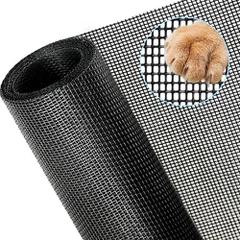
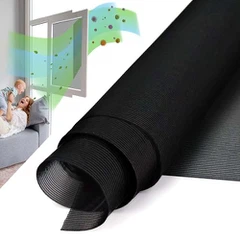
Hey there! As a supplier of polyester shading mesh, I often get asked about the abrasion resistance of this product. So, I thought I'd take a few minutes to explain what it is, why it matters, and how our polyester shading mesh stacks up in this regard.
First off, let's talk about what abrasion resistance actually means. In simple terms, it's the ability of a material to withstand wear and tear caused by friction. When a material rubs against another surface, it can gradually lose its integrity, leading to fraying, pilling, or even holes. This is especially important for products like polyester shading mesh, which are often exposed to harsh outdoor conditions, including wind, rain, and sunlight.
So, why does abrasion resistance matter for polyester shading mesh? Well, for starters, it affects the lifespan of the product. A mesh with high abrasion resistance will last longer, which means you won't have to replace it as often. This can save you money in the long run, as well as reduce the environmental impact of constantly replacing worn-out products.
In addition to durability, abrasion resistance also affects the performance of the shading mesh. A mesh that is easily worn down may not provide as much shade or protection from the sun's rays, which can defeat the purpose of using it in the first place. On the other hand, a mesh with high abrasion resistance will maintain its integrity and performance over time, ensuring that you get the most out of your investment.


Now, let's take a closer look at how our polyester shading mesh measures up in terms of abrasion resistance. Our mesh is made from high-quality polyester fibers that are specifically engineered to be strong and durable. These fibers are woven together in a tight, uniform pattern, which helps to prevent fraying and pilling.
In addition to the quality of the fibers, our manufacturing process also plays a role in the abrasion resistance of our shading mesh. We use advanced weaving techniques and state-of-the-art equipment to ensure that each mesh is made to the highest standards of quality and consistency. This helps to ensure that our mesh is not only strong and durable but also resistant to abrasion and other forms of wear and tear.
To further enhance the abrasion resistance of our shading mesh, we also treat it with a special coating. This coating helps to protect the fibers from damage caused by UV rays, moisture, and other environmental factors. It also makes the mesh easier to clean and maintain, which can help to extend its lifespan even further.
So, how does our polyester shading mesh compare to other products on the market? Well, we're confident that our mesh is among the best in terms of abrasion resistance. We've conducted extensive testing to ensure that our mesh meets or exceeds industry standards for durability and performance. And, we've received numerous positive reviews from satisfied customers who have used our mesh in a variety of applications.
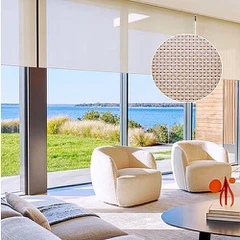
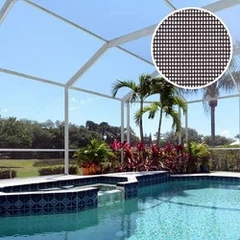
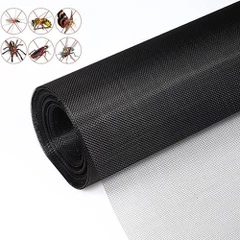
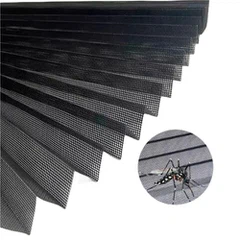
If you're in the market for a high-quality polyester shading mesh, we encourage you to check out our products. We offer a wide range of mesh options, including Window Sunscreen, Polyester Shading Mesh, and Sunshade 1% 3% 5% 10% Screen Fabric, to meet the needs of different customers and applications.
Whether you're looking for a mesh to shade your windows, patio, or greenhouse, we have the perfect solution for you. And, because we're a direct supplier, we're able to offer our products at competitive prices without sacrificing quality or performance.
So, if you're interested in learning more about our polyester shading mesh or would like to place an order, please don't hesitate to contact us. We'd be happy to answer any questions you may have and help you find the right mesh for your needs. Let's start a conversation and see how we can work together to provide you with the best shading solution for your project.
References
- ASTM International. (Year). Standard test methods for abrasion resistance of textile fabrics. ASTM D3884 - [Year].
- Textile Research Journal. Various issues discussing factors affecting abrasion resistance in synthetic fibers.