


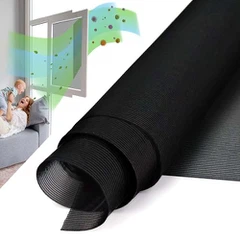
Polyester mesh has become a popular choice for pet-related products due to its numerous advantages. As a leading supplier of polyester mesh for pets, I am often asked about its acoustic properties. In this blog post, I will delve into the acoustic characteristics of polyester mesh and explain how they can benefit both pets and their owners.
Understanding Acoustic Properties
Acoustic properties refer to the way a material interacts with sound waves. These properties include sound absorption, sound transmission, and sound reflection. Each of these characteristics plays a crucial role in determining how well a material can control noise in a given environment.
Sound Absorption
Sound absorption is the ability of a material to convert sound energy into heat energy. Materials with high sound absorption coefficients can effectively reduce the intensity of sound waves, making them ideal for use in noise reduction applications. Polyester mesh has good sound absorption properties, especially at mid to high frequencies. This is due to its porous structure, which allows sound waves to penetrate the material and be dissipated as heat.
The porous nature of polyester mesh creates a complex network of air channels and fibers. When sound waves enter these channels, they encounter resistance from the fibers and the air molecules. This resistance causes the sound waves to lose energy, resulting in reduced sound intensity. Additionally, the random arrangement of the fibers in the mesh further enhances sound absorption by scattering the sound waves in different directions.
Sound Transmission
Sound transmission refers to the ability of a material to allow sound waves to pass through it. Materials with low sound transmission coefficients are better at blocking sound and preventing it from traveling from one side of the material to the other. Polyester mesh has relatively low sound transmission properties, which means it can act as a barrier to reduce the amount of noise that passes through it.
The density and thickness of the polyester mesh play a significant role in determining its sound transmission characteristics. A denser and thicker mesh will generally have lower sound transmission than a thinner and less dense one. Additionally, the type of weave used in the mesh can also affect its sound transmission properties. For example, a tight weave will provide better sound insulation than a loose weave.
Sound Reflection
Sound reflection is the ability of a material to bounce sound waves back from its surface. Materials with high sound reflection coefficients can cause sound to bounce around in a room, creating echoes and increasing the overall noise level. Polyester mesh has relatively low sound reflection properties, which means it can help to reduce echoes and create a more acoustically balanced environment.
The smooth surface of the polyester mesh reduces the amount of sound that is reflected back into the room. Instead, the sound waves are either absorbed or transmitted through the material, resulting in a more controlled acoustic environment. This is particularly beneficial in areas where pets are kept, as it can help to reduce stress and anxiety caused by excessive noise.
Benefits of Polyester Mesh Acoustic Properties for Pets
The acoustic properties of polyester mesh offer several benefits for pets and their owners. Here are some of the key advantages:
Reduced Noise Stress
Pets, especially dogs and cats, can be sensitive to loud noises. Thunderstorms, fireworks, and traffic noise can all cause stress and anxiety in animals. Polyester mesh can help to reduce the amount of noise that reaches the pet's environment, creating a more peaceful and comfortable space for them.
By absorbing and blocking sound waves, polyester mesh can act as a buffer between the pet and the outside noise. This can help to calm the pet and reduce the risk of noise-induced stress and behavioral problems. For example, a dog that is prone to barking during thunderstorms may be more relaxed if it is in a room with polyester mesh windows or partitions.
Improved Sleep Quality
Just like humans, pets need a good night's sleep to stay healthy and happy. Excessive noise can disrupt a pet's sleep pattern, leading to fatigue and irritability. Polyester mesh can help to create a quiet and peaceful sleeping environment for pets by reducing the amount of external noise that enters the room.


A pet that sleeps in a room with polyester mesh curtains or screens is more likely to get a restful sleep. This can improve their overall health and well-being, as well as their behavior during the day. For example, a cat that is well-rested is more likely to be playful and affectionate.
Enhanced Training Environment
Training a pet requires patience and consistency. However, excessive noise can make it difficult for the pet to focus and learn. Polyester mesh can help to create a quiet and distraction-free training environment by reducing the amount of external noise that enters the room.
A pet that is trained in a room with polyester mesh partitions or barriers is more likely to pay attention to the trainer and learn the desired behaviors. This can make the training process more efficient and effective, leading to better results in a shorter period of time. For example, a dog that is being trained to sit and stay is more likely to respond to the trainer's commands if it is in a quiet environment.
Applications of Polyester Mesh in Pet Products
The acoustic properties of polyester mesh make it a versatile material for a wide range of pet products. Here are some of the common applications:
Pet Enclosures
Polyester mesh can be used to construct pet enclosures, such as dog kennels and cat cages. The mesh provides a safe and secure environment for the pet, while also reducing the amount of noise that enters and exits the enclosure. This can help to create a more comfortable and peaceful space for the pet.
In addition to its acoustic properties, polyester mesh is also durable and easy to clean. It can withstand the wear and tear of daily use, and it can be easily washed to remove dirt and debris. This makes it a practical choice for pet enclosures.
Pet Beds
Polyester mesh can be used to make the covers for pet beds. The mesh provides a breathable and comfortable surface for the pet to sleep on, while also reducing the amount of noise that is generated by the pet's movement. This can help to improve the pet's sleep quality and reduce the risk of noise-induced stress.
The acoustic properties of the polyester mesh can also help to create a more peaceful environment for the pet. By reducing the amount of noise that is reflected back into the room, the mesh can help to create a more balanced acoustic environment. This can be particularly beneficial for pets that are sensitive to noise.
Pet Carriers
Polyester mesh can be used to make the windows and ventilation panels of pet carriers. The mesh allows for air circulation, while also reducing the amount of noise that enters and exits the carrier. This can help to keep the pet comfortable and calm during travel.
The acoustic properties of the polyester mesh can also help to reduce the stress and anxiety that pets may experience during travel. By reducing the amount of external noise that reaches the pet, the mesh can create a more peaceful and secure environment for the pet. This can make the travel experience more pleasant for both the pet and the owner.
Conclusion
In conclusion, the acoustic properties of polyester mesh make it an excellent choice for pet-related products. Its ability to absorb, block, and reduce sound waves can help to create a more peaceful and comfortable environment for pets, reducing stress and anxiety and improving their overall well-being. As a supplier of [Polyester mesh for pet], I am committed to providing high-quality products that meet the needs of pet owners and their furry friends.
If you are interested in learning more about our polyester mesh products or would like to discuss your specific requirements, please feel free to [Contact us]. We would be happy to assist you with your purchase and provide you with the information you need to make an informed decision.
References
- Beranek, Leo L. Noise and Vibration Control. McGraw-Hill, 1971.
- Crocker, Malcolm J. Handbook of Acoustics. John Wiley & Sons, 1998.
- Rossing, Thomas D. The Science of Sound. Addison-Wesley, 2001.