


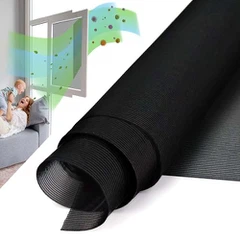
As a supplier of polyester shading mesh, I often encounter various questions from customers regarding the performance and durability of our products. One query that has come up quite frequently is whether polyester shading mesh is resistant to bird droppings. In this blog post, I'll delve into this topic, exploring the properties of polyester shading mesh and how it fares against the challenge of bird droppings.
Understanding Polyester Shading Mesh
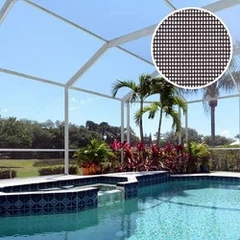
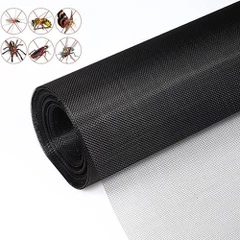
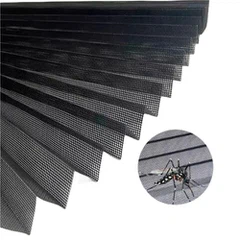
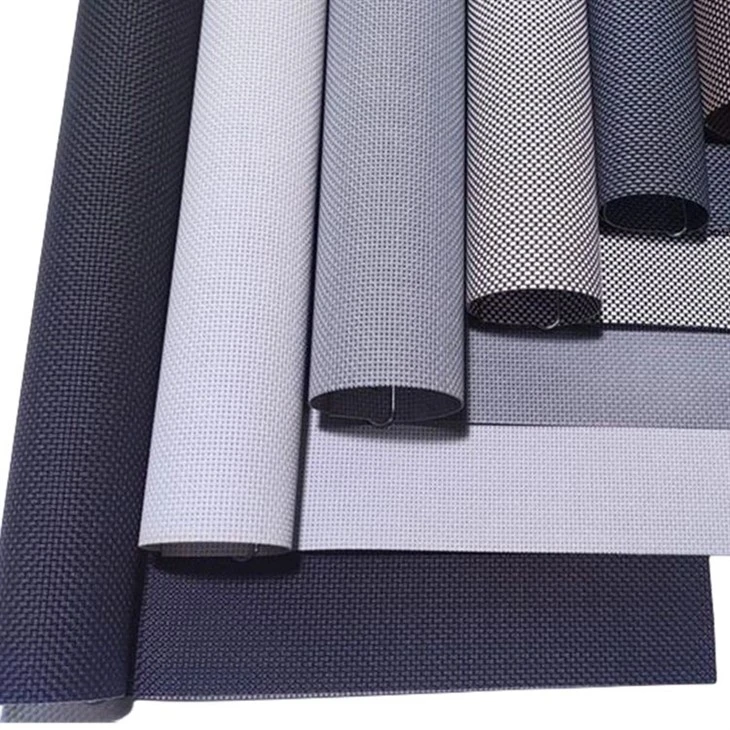
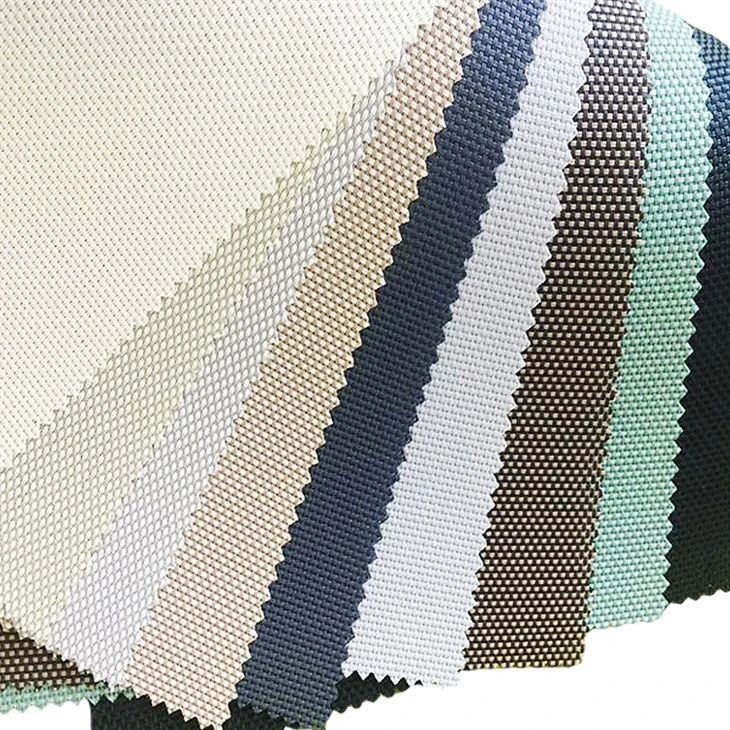
Polyester shading mesh is a popular choice for a wide range of applications, including Shading Net for Blinds, Exterior Sun Control Mesh, and Solar Polyester Screen. It is made from high - strength polyester fibers that are woven or knitted into a mesh structure. This mesh design allows for air circulation while providing effective shading, reducing the amount of sunlight and heat that enters a space.
The polyester material offers several advantages. It is known for its excellent strength, durability, and resistance to environmental factors such as UV rays, moisture, and temperature fluctuations. These properties make it a reliable option for both indoor and outdoor shading solutions.
The Composition of Bird Droppings
To understand how polyester shading mesh interacts with bird droppings, it's important to know what bird droppings are made of. Bird droppings typically consist of three main components: feces, urine, and urates. The feces are the solid part, which contains undigested food particles. The urine is the liquid waste, and urates are the white, chalky substances that are a by - product of protein metabolism in birds.
Bird droppings can also contain bacteria, fungi, and other microorganisms. Additionally, they may carry harmful chemicals if the birds have ingested contaminated food or water. The acidity of bird droppings can vary depending on the bird's diet, but in general, they tend to be slightly acidic.
Resistance to Bird Droppings
Surface Properties of Polyester Shading Mesh
Polyester has a smooth surface, which can make it somewhat resistant to the adhesion of bird droppings. Unlike some porous materials that can absorb and trap dirt and grime, the smooth surface of polyester allows bird droppings to sit on top rather than penetrate deeply. This means that in many cases, the droppings can be easily removed with a simple cleaning process.
Chemical Resistance
Polyester is a chemically stable material. It is resistant to many common chemicals, including the mild acids present in bird droppings. This chemical resistance helps prevent the droppings from causing significant damage to the mesh fibers. However, if the bird droppings are left on the mesh for an extended period, the acids can start to break down the surface of the polyester over time, leading to discoloration and potentially weakening the fibers.
Environmental Factors
The resistance of polyester shading mesh to bird droppings can also be influenced by environmental factors. For example, in a humid environment, the moisture can help the acids in the droppings to react more quickly with the polyester. On the other hand, in a dry environment, the droppings may dry out and become more difficult to remove. Wind and rain can also play a role. Light rain may help to wash away some of the droppings, but heavy rain can spread the droppings over a larger area if not cleaned promptly.
Cleaning and Maintenance
Regular cleaning is essential to maintain the appearance and performance of polyester shading mesh, especially when dealing with bird droppings. Here are some recommended cleaning steps:
- Remove Loose Droppings: Use a soft brush or a dry cloth to gently remove any loose bird droppings from the mesh surface. Be careful not to scrub too hard, as this could damage the mesh.
- Prepare a Cleaning Solution: Mix a mild detergent with warm water. Avoid using harsh chemicals or abrasive cleaners, as these can damage the polyester.
- Clean the Mesh: Dip a soft sponge or cloth into the cleaning solution and gently wipe the affected areas of the mesh. Work in small sections and rinse the sponge or cloth frequently to prevent spreading the dirt.
- Rinse Thoroughly: After cleaning, rinse the mesh with clean water to remove any remaining detergent. Make sure to rinse all parts of the mesh to prevent streaks or residue.
- Dry the Mesh: Allow the mesh to air - dry completely before reinstalling it. Avoid direct sunlight during the drying process, as this can cause the mesh to warp or fade.
Case Studies
We have conducted several case studies to evaluate the performance of our polyester shading mesh against bird droppings. In one outdoor installation where the mesh was exposed to regular bird activity, we found that when the mesh was cleaned every two weeks, it showed minimal signs of damage or discoloration after six months. However, in another case where the cleaning was neglected for several months, the mesh started to develop some yellowish stains, and the fibers in the affected areas appeared slightly weakened.
Long - Term Effects
If bird droppings are not cleaned promptly and regularly, they can have long - term effects on the polyester shading mesh. As mentioned earlier, the acids in the droppings can cause discoloration, which can be difficult to remove completely. Over time, the repeated exposure to the acids can also lead to a reduction in the strength and integrity of the mesh fibers. This can result in tears, holes, or a general deterioration of the mesh, reducing its effectiveness as a shading solution.
Conclusion
In conclusion, polyester shading mesh does have some resistance to bird droppings due to its smooth surface and chemical stability. However, it is not completely immune, and proper cleaning and maintenance are crucial to ensure its long - term performance. By following the recommended cleaning procedures and regularly inspecting the mesh, you can keep it in good condition and extend its lifespan.
If you are interested in our polyester shading mesh products for your shading needs, whether it's for blinds, exterior sun control, or solar screening, we'd love to hear from you. Contact us to discuss your specific requirements and explore the best shading solutions for your project. We can provide you with detailed product information, samples, and competitive pricing. Let's work together to create a comfortable and shaded environment.
References
- "The Chemical and Physical Properties of Polyester Fibers" - Textile Research Journal
- "Bird Droppings: Composition and Potential Health Risks" - Journal of Avian Biology
- "Maintenance and Cleaning of Outdoor Shading Materials" - Building and Environment Journal