


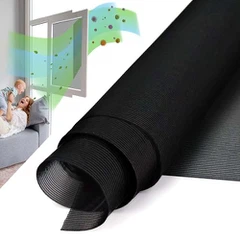
Hey there! As a supplier of pleat mesh, I often get asked a bunch of questions about its suitability for different conditions. One question that pops up quite a bit is, "Is pleat mesh suitable for use in wet conditions?" Well, let's dig into this topic and find out.
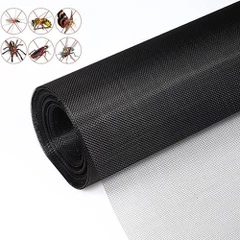
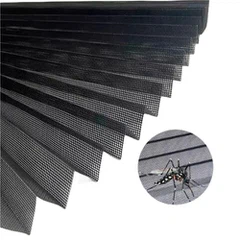
First off, let's talk a bit about what pleat mesh is. Pleat mesh, as you can learn more about on Pleat Mesh, is a type of mesh that's folded or pleated. This design gives it a unique look and some great properties. It's commonly used in things like Plisse Insect Screen and Plisse Fly Screen, which are super handy for keeping bugs out while still allowing fresh air to flow through.
Now, when it comes to wet conditions, there are a few factors we need to consider. The material of the pleat mesh is a big one. Most pleat meshes are made from synthetic materials like polyester or nylon. These materials have some pretty good water - resistant properties. Polyester, for example, doesn't absorb water easily. It can repel water to a certain extent, which means that when it gets wet, it won't soak up a ton of water and become heavy and soggy.
Nylon is also a great option. It's strong and has decent water - resistance. It can handle being exposed to water for short periods without getting damaged. However, if it's left in water for a long time, it might start to lose some of its strength over time. But in normal wet conditions, like a light rain shower or some splashes, nylon pleat mesh should hold up just fine.
Another thing to think about is the construction of the pleat mesh. The pleats themselves can actually help in wet conditions. They create channels that can allow water to run off more easily. Instead of pooling on the surface, water can flow down the pleats and drip off the bottom. This is especially useful if the pleat mesh is installed at an angle, which is often the case with window screens.
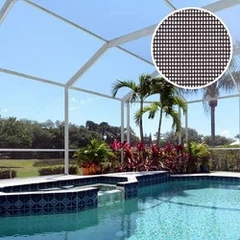
But it's not all sunshine and rainbows. There are some situations where pleat mesh might not be the best choice in wet conditions. If the mesh is constantly submerged in water, like in a pool or a pond, it could face some problems. Over time, the constant exposure to water can cause the material to break down. The chemicals in the water, like chlorine in a pool, can also react with the mesh and weaken it.
Also, if the wet conditions are accompanied by high humidity and poor ventilation, mold and mildew can start to grow on the pleat mesh. Mold and mildew not only look bad but can also damage the mesh and pose a health risk. To prevent this, it's important to make sure that the area where the pleat mesh is installed has good air circulation.


Let's take a look at some real - world scenarios. Say you have a patio with a pleat mesh screen. During a summer thunderstorm, the screen is going to get wet. But as long as the storm passes quickly and the sun comes out to dry it off, the pleat mesh should be okay. The water will run off the pleats, and the synthetic material will dry relatively fast.
On the other hand, if you live in a coastal area where there's a lot of saltwater spray in the air, that can be a bit more challenging. Saltwater is corrosive, and over time, it can damage the pleat mesh. However, if you choose a high - quality pleat mesh with a corrosion - resistant coating, it can withstand the saltwater for a longer period.
So, how can you take care of pleat mesh in wet conditions? First, after a heavy rain or if it gets really wet, you can use a soft cloth to wipe off any excess water. This will speed up the drying process and reduce the chances of mold growth. You can also periodically clean the pleat mesh with a mild detergent and water. This will remove any dirt and debris that might have accumulated, which can also help prevent mold and mildew.
If you're thinking about using pleat mesh in wet conditions, it's a good idea to test it out first. You can get a small sample of the pleat mesh and expose it to the kind of wet conditions you expect it to face. See how it holds up over a few days or weeks. This will give you a better idea of whether it's the right choice for your specific situation.
In conclusion, pleat mesh can be suitable for use in wet conditions in many cases. The synthetic materials it's made of, along with its pleated construction, give it some advantages when it comes to handling water. But you need to be aware of the potential problems, like long - term submersion, high humidity, and corrosive elements. With proper care and selection, pleat mesh can be a great option for your wet - prone areas.
If you're interested in purchasing pleat mesh for your needs, whether it's for a wet environment or not, I'd love to have a chat with you. We can discuss your specific requirements and find the best pleat mesh solution for you. Just reach out, and we can start the conversation about making your space more functional and bug - free.
References:
- Textile Materials Handbook: Covers properties of polyester and nylon.
- DIY Home Improvement Guides: Information on screen installation and care in wet conditions.