

Is Fiberglass Insect Mesh Environmentally Friendly?
As a supplier of fiberglass insect mesh, I've been asked numerous times about the environmental friendliness of our product. It's a crucial question in today's world, where environmental concerns are at the forefront of consumer decisions. In this blog post, I'll delve into the various aspects of fiberglass insect mesh and its impact on the environment.
Composition and Manufacturing Process
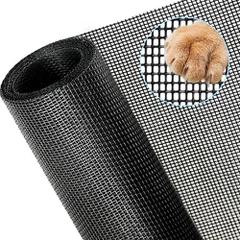
Fiberglass insect mesh is primarily made from fine glass fibers that are woven together to form a mesh structure. Glass, as a raw material, is abundant in nature. It is made from silica sand, soda ash, and limestone, all of which are naturally occurring substances. The manufacturing process of fiberglass involves melting these raw materials at high temperatures and then drawing the molten glass into fine fibers.
Compared to some other materials used for insect screens, such as certain plastics, the production of fiberglass has a relatively lower environmental impact. Plastics often require the extraction and processing of fossil fuels, which contribute to greenhouse gas emissions and environmental degradation. In contrast, the raw materials for fiberglass are more sustainable and less reliant on non - renewable resources.
Moreover, the manufacturing process of fiberglass insect mesh has become more energy - efficient over the years. Modern production facilities use advanced technologies to reduce energy consumption during the melting and fiber - drawing processes. This not only cuts down on production costs but also minimizes the carbon footprint associated with manufacturing.
Durability and Longevity
One of the key environmental benefits of fiberglass insect mesh is its durability. A high - quality fiberglass mesh can last for many years, even in harsh environmental conditions. This long lifespan means that it doesn't need to be replaced frequently, reducing the overall demand for new materials and the associated environmental impact of production and disposal.
In comparison, some cheaper alternatives, like certain types of polyester or nylon insect screens, may have a shorter lifespan. They can tear or degrade more quickly, leading to more frequent replacements. This results in a higher consumption of resources over time and more waste being sent to landfills.
For example, if a household installs a fiberglass insect mesh on their windows, they can expect it to provide effective insect protection for 10 - 15 years or more. During this time, they won't have to worry about constantly buying and disposing of new screens, which is both cost - effective and environmentally friendly.
Recyclability
Fiberglass is a recyclable material. At the end of its useful life, fiberglass insect mesh can be recycled and used to make new fiberglass products. Recycling fiberglass helps to conserve natural resources and reduce the energy required for manufacturing new products.
When recycled, the fiberglass is crushed and melted down, and then reformed into new fibers. This process is more energy - efficient than producing fiberglass from raw materials. Many recycling facilities are now equipped to handle fiberglass waste, making it easier for suppliers and consumers to participate in the recycling process.
However, it's important to note that the recyclability of fiberglass insect mesh can be affected by factors such as the presence of coatings or adhesives. Some mesh products may have additional treatments for improved performance, and these can complicate the recycling process. As a supplier, we are constantly working on developing mesh products that are easier to recycle, without compromising on their functionality.
Chemical Content
Fiberglass insect mesh is generally free from harmful chemicals. Unlike some treated wood or plastic screens that may contain pesticides, flame retardants, or other toxic substances, fiberglass mesh is a relatively clean and safe option.
This is beneficial not only for the environment but also for human health. When used in homes and buildings, fiberglass insect mesh doesn't release any harmful fumes or chemicals into the air. It provides a natural and safe barrier against insects without posing any risks to the indoor environment.
In addition, the lack of chemical treatments means that there is no risk of these chemicals leaching into the soil or water during the manufacturing process or after disposal. This makes fiberglass insect mesh a more sustainable choice for the overall ecosystem.
Impact on Wildlife
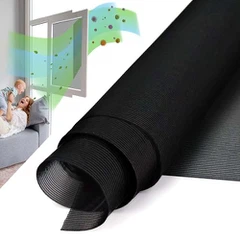
Fiberglass insect mesh has a minimal impact on wildlife. Its fine mesh structure is designed to keep insects out while allowing air and light to pass through. It doesn't pose a significant threat to birds, bats, or other small animals.
In contrast, some types of insect control methods, such as insecticides, can have a negative impact on wildlife. Insecticides can kill beneficial insects as well as pests, and they can also contaminate the food chain. Fiberglass insect mesh provides a non - lethal and environmentally friendly way to control insects without harming the natural balance of the ecosystem.
Our Product Offerings
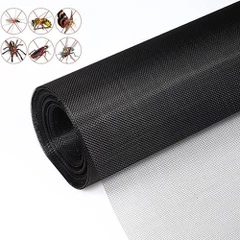
At our company, we offer a wide range of fiberglass insect mesh products. Our Fiberglass Mosquito Net Roll is a popular choice for large - scale applications, such as agricultural greenhouses or industrial buildings. It is available in different sizes and mesh densities to meet the specific needs of our customers.
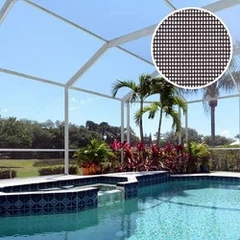
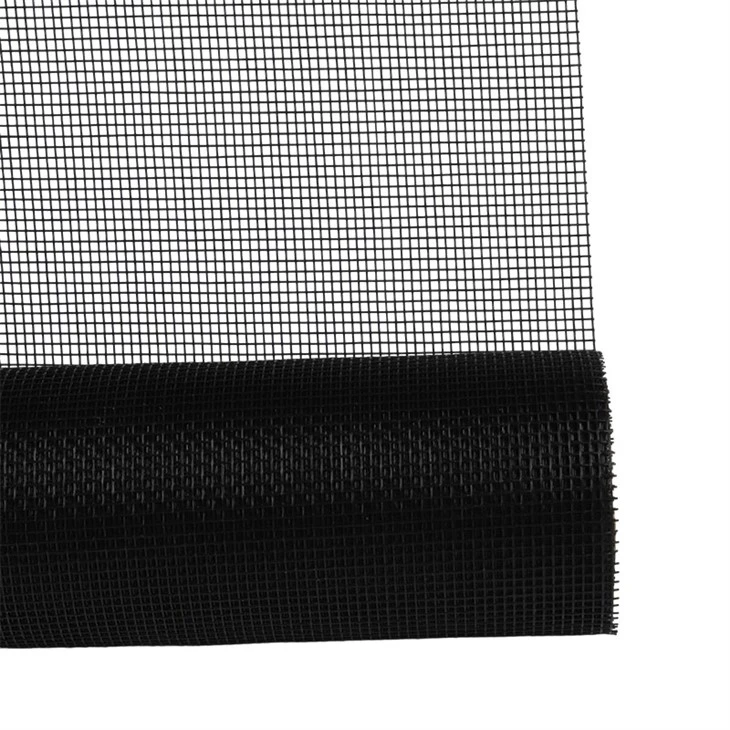
Our Fiberglass Mosquito Mesh is suitable for residential and commercial use. It is easy to install and provides excellent insect protection. The mesh is tightly woven to prevent even the smallest insects from entering, while still allowing for good ventilation.
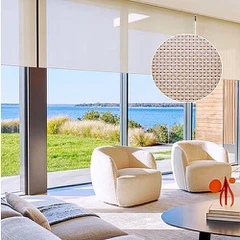
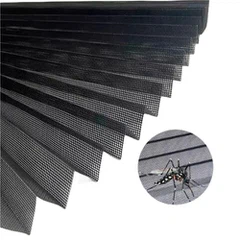
For windows, we have the Fiberglass Mosquito Net for Windows. This product is designed to fit perfectly on windows, providing a seamless and effective barrier against mosquitoes and other flying insects. It is also available in different colors to match the aesthetic of any building.
Conclusion
In conclusion, fiberglass insect mesh is an environmentally friendly choice for insect control. Its sustainable raw materials, long lifespan, recyclability, low chemical content, and minimal impact on wildlife make it a superior option compared to many other insect screen materials.
As a supplier, we are committed to further improving the environmental performance of our products. We are constantly researching and developing new technologies to make our fiberglass insect mesh even more sustainable, recyclable, and energy - efficient.

If you are interested in our fiberglass insect mesh products or have any questions about their environmental impact, please feel free to contact us. We are happy to discuss your specific needs and provide you with the best solutions for insect control in an environmentally responsible way.
References
- ASTM International. (20XX). Standard test methods for fiberglass materials.
- Environmental Protection Agency. (20XX). Guidelines for sustainable building materials.
- Journal of Environmental Science and Technology. (20XX). Studies on the recyclability and environmental impact of fiberglass products.