


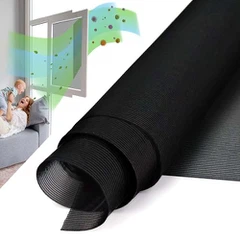
Is fiberglass insect mesh a good insulator?
As a supplier of fiberglass insect mesh, I've often been asked whether our product serves as a good insulator. In this blog, I'll delve into the scientific aspects of fiberglass insect mesh and its insulating properties.
Understanding Insulation
Before we assess the insulating capabilities of fiberglass insect mesh, it's important to understand what insulation means. Insulation is the process of reducing the transfer of heat, electricity, or sound. In the context of buildings and homes, thermal insulation is crucial for maintaining a comfortable indoor temperature, reducing energy consumption, and lowering utility bills.
Composition and Structure of Fiberglass Insect Mesh
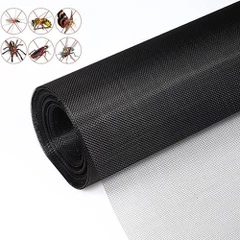
Fiberglass insect mesh is made from fine strands of glass fibers woven together to form a mesh-like structure. These glass fibers are known for their high strength, durability, and resistance to corrosion. The mesh is typically coated with a PVC (polyvinyl chloride) layer, which not only enhances its durability but also provides additional protection against the elements.
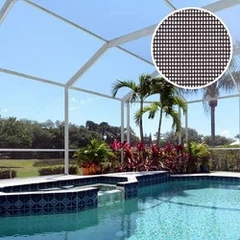
The structure of the fiberglass insect mesh is characterized by its small openings, which are designed to keep insects out while allowing air and light to pass through. This unique structure plays a significant role in its insulating properties.
Thermal Insulation Properties of Fiberglass Insect Mesh
When it comes to thermal insulation, fiberglass insect mesh has several factors that contribute to its performance.
Air Trapping
One of the key mechanisms of thermal insulation is the ability to trap air. Air is a poor conductor of heat, and when it is trapped within a material, it acts as an insulating barrier. The small openings in the fiberglass insect mesh create pockets of air, which help to reduce the transfer of heat. This is similar to how insulation materials like fiberglass batts work, where the fibers trap air and slow down the movement of heat.


Low Thermal Conductivity
Glass fibers themselves have a relatively low thermal conductivity. Thermal conductivity is a measure of how easily heat can pass through a material. A lower thermal conductivity means that the material is a better insulator. The glass fibers in the insect mesh help to impede the flow of heat, further enhancing its insulating properties.
Radiation Reflection
The PVC coating on the fiberglass insect mesh can also contribute to its insulating performance. PVC has the ability to reflect a certain amount of infrared radiation, which is a form of heat transfer. By reflecting this radiation, the mesh helps to keep the heat from entering or leaving the building, depending on the external and internal temperatures.
Practical Applications and Benefits
In practical applications, fiberglass insect mesh can provide several benefits in terms of insulation.
Energy Efficiency
By reducing the transfer of heat, fiberglass insect mesh can help to improve the energy efficiency of a building. In hot climates, it can prevent the heat from entering the building, reducing the need for air conditioning. In cold climates, it can help to keep the heat inside, reducing the energy consumption for heating. This can lead to significant cost savings on energy bills over time.
Comfort
Maintaining a consistent indoor temperature is essential for comfort. Fiberglass insect mesh helps to create a more comfortable living environment by reducing temperature fluctuations. It can also help to reduce drafts, which can make a room feel cold and uncomfortable.
Comparing with Other Insulation Materials
While fiberglass insect mesh has its insulating properties, it's important to note that it is not a substitute for traditional insulation materials like fiberglass batts, foam insulation, or cellulose insulation. These materials are specifically designed for high - performance insulation and are typically installed in the walls, floors, and ceilings of a building.
However, fiberglass insect mesh can complement these traditional insulation methods. For example, when used on windows and doors, it can provide an additional layer of insulation, enhancing the overall energy efficiency of the building.
Other Types of Mesh and Their Insulating Properties
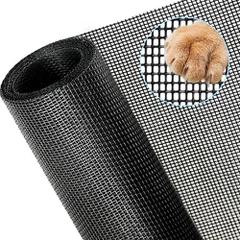
In addition to fiberglass insect mesh, there are other types of mesh available in the market, such as Polyester Mesh for Pet. Polyester mesh is made from synthetic fibers and has different properties compared to fiberglass mesh.
Polyester mesh generally has a lower thermal resistance than fiberglass mesh. The fibers in polyester mesh are not as effective at trapping air, and the material may have a higher thermal conductivity. However, polyester mesh has its own advantages, such as being more flexible and lightweight, which may be suitable for certain applications.
Our Fiberglass Insect Mesh Products
At our company, we offer a range of high - quality Fiberglass Insect Mesh products. Our mesh is carefully manufactured to ensure optimal insulating properties. We also offer Fiberglass Mosquito Net On Aluminium Frame, which combines the benefits of fiberglass mesh with the durability of an aluminium frame.
Conclusion
In conclusion, fiberglass insect mesh can be considered a good insulator to a certain extent. Its ability to trap air, low thermal conductivity, and radiation reflection properties contribute to its insulating performance. While it may not be as effective as traditional insulation materials, it can provide additional insulation when used on windows and doors, improving energy efficiency and comfort.
If you're interested in learning more about our fiberglass insect mesh products or would like to discuss potential applications for your project, we encourage you to reach out to us. We're always happy to help you find the best solution for your needs.
References
- "Thermal Insulation Materials: Principles and Applications" by K. H. Leong
- "Handbook of Building Construction" by Edward Allen and Joseph Iano