


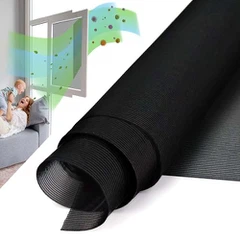
Hey there, pet owners! If you're like me, you've got a bunch of pet polyester mesh stuff around your place. I'm a supplier of polyester mesh for pets, and I know how annoying it can be when that mesh gets torn. But don't worry, I'm here to walk you through how to fix it.
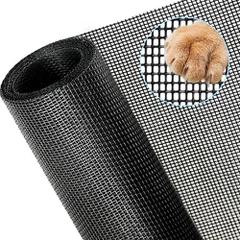
First off, let's talk about why polyester mesh is so great for pets. It's durable, it can withstand a lot of scratching and chewing from our furry friends, and it's also pretty easy to clean. But even the toughest mesh can get a tear or two over time. Maybe your cat decided to use it as a scratching post, or your dog got a little too excited and ripped it while playing.
What You'll Need
Before you start the repair process, you'll need to gather a few things. You'll need a patch of polyester mesh that matches the one you're trying to repair. You can usually find these at a hardware store or, if you're lucky, you might have some extra mesh from when you first bought your pet stuff. You'll also need some glue or adhesive that's suitable for polyester. There are special fabric glues out there that work really well for this kind of job. And don't forget a pair of sharp scissors to cut the patch to the right size.
Step 1: Assess the Damage
Take a good look at the torn mesh. Is it a small tear, or is it a big one? If it's a small tear, you might be able to get away with just using some glue to hold the edges together. But if it's a bigger tear, you'll definitely need to use a patch. You also want to make sure the edges of the tear are clean and free of any frayed bits. You can use your scissors to trim away any loose threads.
Step 2: Cut the Patch
If you're using a patch, measure the size of the tear and cut a piece of mesh that's a little bit bigger than the tear. You want to make sure the patch overlaps the edges of the tear by at least half an inch. This will help ensure a strong repair. Use your scissors to cut the patch as straight as possible.
Step 3: Apply the Glue
Now it's time to apply the glue. If you're using a small tear and just gluing the edges together, apply a thin layer of glue along the edges of the tear. Be careful not to use too much glue, or it might seep through the mesh and make a mess. If you're using a patch, apply the glue to the back of the patch, covering the area that will overlap the tear.
Step 4: Attach the Patch or Seal the Tear
If you're using a patch, carefully place it over the tear, making sure it's centered and the edges overlap evenly. Press down firmly on the patch to make sure it sticks to the mesh. If you're just gluing the edges of a small tear together, press the edges together and hold them in place for a few minutes until the glue starts to set.
Step 5: Let it Dry
After you've attached the patch or sealed the tear, let the glue dry completely. This might take a few hours, depending on the type of glue you're using. Make sure to keep your pet away from the repaired area while it's drying. You don't want them to accidentally pull on the patch or mess up the repair.
Different Types of Pet Polyester Mesh Products
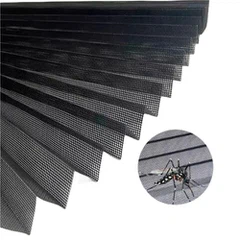
As a polyester mesh for pet supplier, I offer a variety of products. For example, we have the Center Hinged Patio Door Screen. This is great for keeping your pets inside while still allowing fresh air to come in. It's made of high - quality polyester mesh that can withstand the elements and your pet's antics.
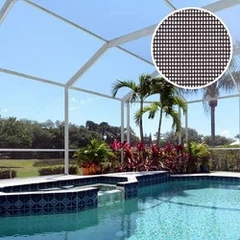
Another popular product is the Pool & Patio Screen. If you have a pool or a patio, this screen can keep your pets safe and prevent them from getting into the pool accidentally. It's also a great way to keep insects out while your pet enjoys the outdoors.
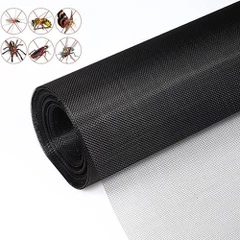
And then there's the Fiberglass Mosquito Net Roll. You can use this to create a mosquito - free area for your pet. It's easy to install and can be cut to fit any size area.


Tips for Preventing Future Tears
Once you've repaired your torn polyester mesh, you'll want to take some steps to prevent future tears. One thing you can do is provide your pet with plenty of appropriate toys and scratching posts. This will give them an outlet for their energy and reduce the chances of them using your mesh as a toy.
You can also try to keep your pet away from areas where the mesh is more likely to get damaged. For example, if you have a patio screen, make sure your pet doesn't jump up against it too hard.
Conclusion
Repairing a torn polyester mesh for your pet isn't as hard as it might seem. With the right tools and a little bit of patience, you can have your mesh looking good as new in no time. And if you're in the market for new polyester mesh products for your pet, I'm here as your supplier. Whether you need a new screen for your patio door, a pool screen, or a mosquito net roll, I've got you covered.
If you're interested in purchasing any of our polyester mesh products for your pet, feel free to reach out for a chat. We can discuss your specific needs and find the perfect solution for you and your furry friend.
References
- General knowledge on polyester mesh repair techniques
- Experience as a polyester mesh for pet supplier