

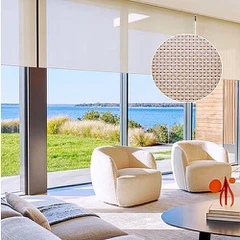
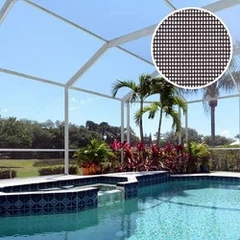
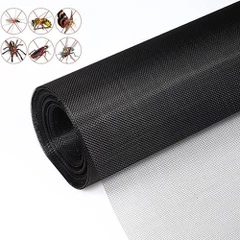
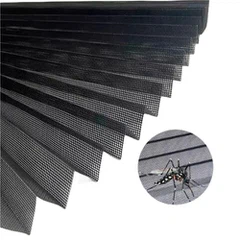
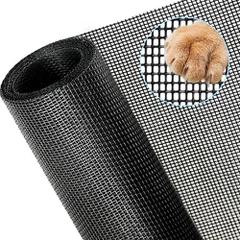
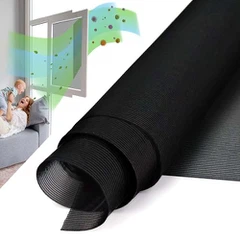
Measuring the size of solar screen mesh is a crucial step in ensuring optimal performance and aesthetic appeal for your sun protection needs. As a trusted solar screen mesh supplier, we understand the importance of accurate measurements to provide you with the perfect fit. In this blog post, we'll guide you through the process of measuring the size of solar screen mesh needed for your specific application, whether it's for windows, doors, or other outdoor areas.
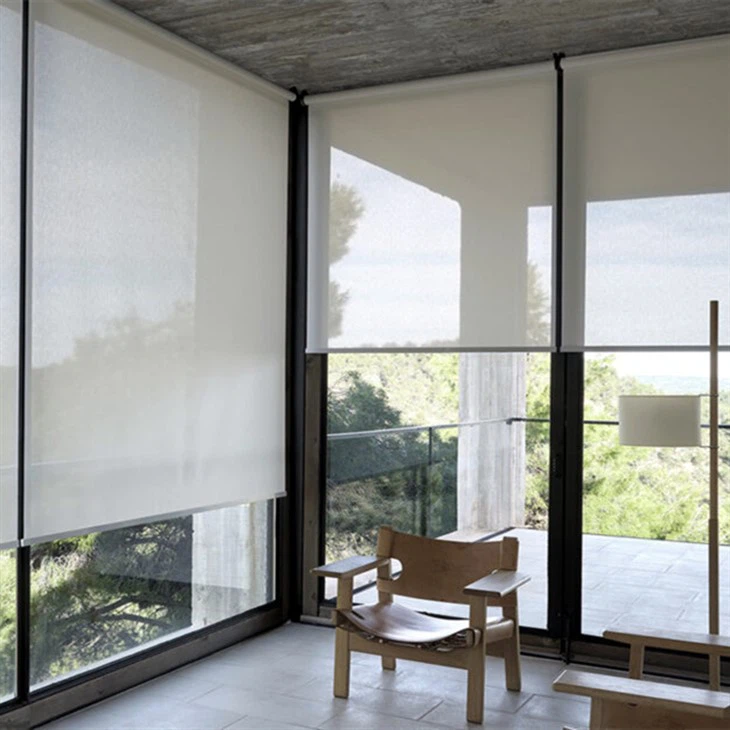

Understanding Solar Screen Mesh
Before we dive into the measurement process, let's briefly discuss what solar screen mesh is and why it's beneficial. Solar screen mesh is a specialized fabric designed to block a significant portion of the sun's heat and glare while allowing for visibility and airflow. It comes in various densities, typically measured as a percentage of openness. For example, a Sunshade 1% 3% 5% 10% Screen Fabric indicates the percentage of sunlight that can pass through the mesh. Lower percentages offer more sun protection but may reduce visibility, while higher percentages allow more light in but provide less shading.
Measuring for Windows
Windows are one of the most common areas where solar screen mesh is installed. Here's how you can measure the size of solar screen mesh needed for your windows:
Step 1: Gather Your Tools
You'll need a measuring tape, a pencil, and a piece of paper to record your measurements. Make sure your measuring tape is long enough to measure the width and height of your window.
Step 2: Measure the Width
Measure the width of the window opening at the top, middle, and bottom. Record the narrowest measurement. This is important because the screen needs to fit snugly within the window frame. For example, if the top width is 36 inches, the middle width is 35.5 inches, and the bottom width is 36 inches, you should record 35.5 inches as the width measurement.
Step 3: Measure the Height
Measure the height of the window opening on the left, middle, and right sides. Record the shortest measurement. Similar to the width measurement, the screen needs to fit properly in the vertical direction. If the left height is 48 inches, the middle height is 47.5 inches, and the right height is 48 inches, you should record 47.5 inches as the height measurement.
Step 4: Account for Overlap
To ensure complete sun protection and a proper fit, it's recommended to add a little extra to your measurements for overlap. A common practice is to add 1 - 2 inches to both the width and height measurements. So, if your width measurement is 35.5 inches and your height measurement is 47.5 inches, you might order a screen with a width of 37.5 inches and a height of 49.5 inches.
Measuring for Doors
Measuring for doors follows a similar process to measuring for windows, but there are a few additional considerations:
Step 1: Measure the Door Opening
Measure the width and height of the door opening in the same way as you did for the window. Take multiple measurements at different points and record the narrowest width and shortest height.
Step 2: Consider the Door Type
If you have a sliding door, you'll need to measure the width of the sliding panel and the stationary panel separately. For a hinged door, make sure to measure the entire door opening, including any frame or molding.
Step 3: Account for Hardware
If your door has handles, locks, or other hardware, you'll need to account for these when measuring. You may need to add a little extra space around the hardware to ensure the screen can be installed properly.
Measuring for Other Outdoor Areas
Solar screen mesh can also be used to create shade in other outdoor areas, such as patios, porches, or pergolas. Here's how you can measure the size of solar screen mesh needed for these areas:
Step 1: Define the Area
Determine the area where you want to install the solar screen mesh. This could be a rectangular, square, or irregularly shaped area. Use a measuring tape to outline the perimeter of the area.
Step 2: Measure the Dimensions
If the area is rectangular or square, measure the length and width of the area. If it's an irregular shape, you may need to break it down into smaller, more manageable shapes (such as rectangles and triangles) and measure each part separately.
Step 3: Consider the Installation Method
The installation method you choose will also affect the size of the solar screen mesh you need. For example, if you're using a tensioned system, you'll need to add some extra material to allow for stretching. If you're using a framed system, you'll need to measure the dimensions of the frame.
Choosing the Right Solar Screen Mesh
Once you have your measurements, it's time to choose the right solar screen mesh for your needs. Consider the following factors:
Openness Percentage
As mentioned earlier, the openness percentage of the solar screen mesh determines how much sunlight can pass through. If you're looking for maximum sun protection, a lower openness percentage (such as 1% or 3%) may be suitable. If you want more light and visibility, a higher openness percentage (such as 5% or 10%) may be a better choice. You can explore our Sunshade 1% 3% 5% 10% Screen Fabric to find the right option for you.
Material
Solar screen mesh is available in different materials, such as Polyester Sunscreen Fabric. Polyester is a popular choice because it's durable, resistant to fading, and easy to clean. Consider the climate and environmental conditions in your area when choosing the material.
Color
Solar screen mesh comes in a variety of colors. Choose a color that complements the exterior of your home or building. Darker colors tend to absorb more heat, while lighter colors reflect more heat.
Installation Considerations
After you've measured and chosen the right solar screen mesh, it's important to consider the installation process. If you're not familiar with installing solar screen mesh, it's recommended to hire a professional installer. However, if you're a DIY enthusiast, make sure to follow the manufacturer's instructions carefully.
Contact Us for Your Solar Screen Mesh Needs
At our company, we're committed to providing high-quality solar screen mesh products and excellent customer service. Whether you're a homeowner, contractor, or architect, we can help you find the perfect solar screen mesh solution for your project. If you have any questions about measuring the size of solar screen mesh, choosing the right product, or installation, please don't hesitate to contact us. We're here to assist you every step of the way. Start your journey towards a more comfortable and energy-efficient space by reaching out to us today for a free consultation and quote.
References
- American Society of Heating, Refrigerating and Air-Conditioning Engineers (ASHRAE). (2023). Handbook of Fundamentals.
- Window and Door Manufacturers Association (WDMA). (2023). Installation Guidelines for Windows and Doors.