

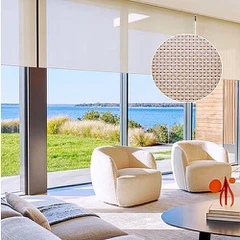
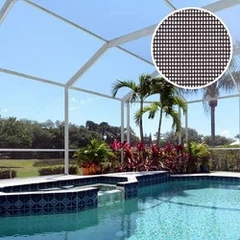
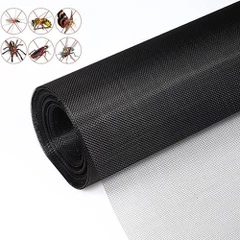
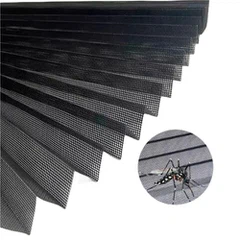
Hey there, folks! As a supplier of sunshade screen fabric, I know how crucial it is to make our products as UV-resistant as possible. After all, the main purpose of a sunshade screen is to block out those harmful UV rays and protect us, our furniture, and our plants from sun damage. So, let's dive into some tips on how to make sunshade screen fabric more UV-resistant.
Choose the Right Base Materials
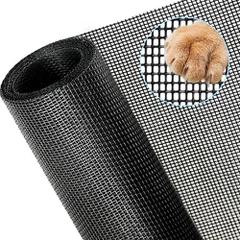
The first step in creating a UV-resistant sunshade screen fabric is selecting the right base materials. Some materials are naturally more resistant to UV rays than others. For example, fiberglass is known for its excellent UV resistance. When combined with PVC, like in our Fiberglass+PVC Sunshade 3% Fabric, it forms a durable and UV-resistant fabric.
Fiberglass has a high melting point and is not easily damaged by the sun's heat and radiation. PVC, on the other hand, adds flexibility and weather resistance to the fabric. Together, they create a strong barrier against UV rays. Another option is polyester, which can also offer good UV protection when treated properly.
Apply UV-Resistant Coatings
Applying a UV-resistant coating is one of the most effective ways to enhance the fabric's ability to block UV rays. These coatings work by absorbing or reflecting the UV radiation before it can penetrate the fabric. There are several types of UV-resistant coatings available on the market, and the choice depends on the specific requirements of the fabric and the intended use.
Some coatings are designed to be water-based, which makes them environmentally friendly and easy to apply. Others are solvent-based, offering a more durable protection. When applying the coating, it's important to follow the manufacturer's instructions carefully to ensure an even and effective application. This will not only improve the UV resistance but also extend the lifespan of the sunshade screen fabric.
Incorporate UV Stabilizers During Manufacturing
During the manufacturing process, we can incorporate UV stabilizers into the fabric. These stabilizers are chemicals that help to prevent the degradation of the fabric caused by UV exposure. They work by absorbing the UV energy and converting it into heat, which is then dissipated.
There are different types of UV stabilizers, including hindered amine light stabilizers (HALS) and benzotriazoles. HALS are particularly effective in preventing the degradation of polymers, such as those in polyester and PVC fabrics. By adding these stabilizers during the production of the Sunshade Screen Fabric, we can significantly improve its UV resistance and durability.
Use Tight-Weave Structures
The weave structure of the sunshade screen fabric also plays a vital role in its UV resistance. A tight-weave structure minimizes the gaps between the fibers, making it more difficult for UV rays to pass through. When sunlight hits a loosely woven fabric, it can easily penetrate the gaps and reach the protected area.
In contrast, a tightly woven fabric acts like a physical barrier, blocking a larger percentage of the UV rays. So, when choosing or manufacturing sunshade screen fabric, opt for a tight-weave style to maximize UV protection. We offer various weave styles in our Sunshade Screen Fabric range, ensuring you can find the perfect one for your needs.
Conduct Quality Testing
To ensure that our sunshade screen fabric meets the required UV resistance standards, we need to conduct regular quality testing. There are several testing methods available, such as the ASTM G154 test, which simulates long-term UV exposure in a controlled environment.
By testing our fabrics regularly, we can identify any potential weaknesses in the UV resistance and make necessary adjustments to the manufacturing process. This helps us to maintain a high level of quality and provide our customers with reliable and effective sunshade screen solutions.
Consider Private Customization
We understand that different customers have different needs when it comes to sunshade screen fabric. That's why we offer Private Custom Sunshade Screen options. Whether you need a specific size, color, or level of UV resistance, we can work with you to create a customized solution.
For example, if you're in an area with particularly strong sunlight, we can adjust the manufacturing process to increase the UV resistance of the fabric. Or, if you have a specific design in mind, we can incorporate it into the fabric to make it not only functional but also aesthetically pleasing.
Maintenance and Care
Even with the most UV-resistant fabric, proper maintenance and care are essential to ensure its long-term performance. Regular cleaning can remove dirt and debris that may accumulate on the fabric, which can otherwise reduce its UV-blocking ability.
Use a mild detergent and water to clean the fabric, and avoid using abrasive cleaners or brushes that could damage the surface. If the fabric gets wet, allow it to dry thoroughly before storing or exposing it to sunlight again. By following these simple maintenance tips, you can keep your sunshade screen fabric in top condition and maximize its UV resistance over time.


In conclusion, making sunshade screen fabric more UV-resistant involves a combination of factors, from choosing the right materials and coatings to proper manufacturing processes, testing, and maintenance. At our company, we're committed to providing high-quality, UV-resistant sunshade screen fabrics that meet the diverse needs of our customers.
If you're interested in purchasing our sunshade screen fabrics or have any questions about customization options, feel free to reach out to us. We'd be more than happy to discuss your requirements and help you find the perfect solution for your sun protection needs.
References
- American Society for Testing and Materials (ASTM). "Standard Practice for Operating Fluorescent Light Apparatus for UV Exposure of Nonmetallic Materials." ASTM G154.
- Textile Research Institute. "Studies on UV Resistance of Textile Fibers." Journal of Textile Science and Technology.