


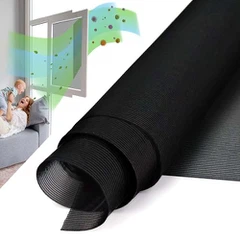
Fiberglass insect mesh is a popular choice for homeowners and businesses alike, thanks to its durability, affordability, and effectiveness in keeping insects out while allowing fresh air to circulate. As a supplier of fiberglass insect mesh, I often get asked about how it's made. In this blog post, I'll take you through the process of manufacturing fiberglass insect mesh, from raw materials to the finished product.
Raw Materials
The primary raw material used in the production of fiberglass insect mesh is glass. Specifically, E-glass, a type of borosilicate glass, is commonly used due to its excellent mechanical properties, high resistance to chemicals, and low electrical conductivity. The glass is first melted in a furnace at extremely high temperatures, typically around 1,400 to 1,500 degrees Celsius.
Once the glass is molten, it is extruded through tiny holes in a platinum or platinum-alloy spinneret. These holes are incredibly small, ranging from about 10 to 20 micrometers in diameter. As the molten glass passes through the spinnerets, it is rapidly cooled by a stream of air or water, solidifying into fine filaments. These filaments are then gathered together to form a strand.
Weaving Process
After the strands are formed, they are ready to be woven into mesh. The weaving process is crucial as it determines the strength, durability, and appearance of the final product. There are two main types of weaving techniques used for fiberglass insect mesh: plain weave and twill weave.
Plain Weave
In a plain weave, the warp (lengthwise) and weft (crosswise) yarns are interlaced in a simple over-and-under pattern. This results in a balanced and stable mesh with a uniform appearance. Plain weave is the most common type of weave used for fiberglass insect mesh due to its simplicity and cost-effectiveness. It provides good strength and durability, making it suitable for a wide range of applications.
Twill Weave
A twill weave is characterized by a diagonal pattern created by the interlacing of the warp and weft yarns. This type of weave is more complex than a plain weave and offers greater strength and flexibility. Twill weave is often used for applications where a higher level of durability is required, such as in commercial or industrial settings.
The weaving process is typically carried out on a loom, which is a machine that holds the warp yarns in place and guides the weft yarns through them. The loom can be operated manually or electronically, depending on the scale of production. During the weaving process, the tension of the yarns is carefully controlled to ensure a consistent and uniform mesh.
Coating and Finishing
Once the mesh is woven, it undergoes a series of coating and finishing processes to enhance its performance and appearance. The most common coating used for fiberglass insect mesh is PVC (polyvinyl chloride). PVC coating provides several benefits, including increased durability, resistance to UV rays, and improved flexibility.
The PVC coating is applied to the mesh using a process called dip coating. In dip coating, the mesh is immersed in a bath of liquid PVC, which adheres to the surface of the yarns. The excess PVC is then removed, and the mesh is dried and cured in an oven. The thickness of the PVC coating can be adjusted depending on the desired properties of the final product.
In addition to PVC coating, the mesh may also be treated with other chemicals to improve its performance. For example, it may be treated with a flame retardant to make it more resistant to fire, or with an anti-static agent to prevent the accumulation of dust and dirt.
Quality Control
Quality control is an essential part of the manufacturing process to ensure that the fiberglass insect mesh meets the highest standards of quality and performance. At our company, we have a rigorous quality control system in place that involves multiple inspections at every stage of production.
Before the raw materials are used, they are carefully inspected to ensure that they meet our specifications. During the weaving process, the mesh is regularly checked for any defects, such as broken yarns or uneven weaving. After the coating and finishing processes, the mesh is tested for various properties, including strength, durability, UV resistance, and flexibility.


We also conduct random sampling and testing of the finished products to ensure that they meet the requirements of our customers. Our quality control team uses a variety of testing equipment and techniques, including tensile strength testing, tear strength testing, and UV exposure testing.
Applications of Fiberglass Insect Mesh
Fiberglass insect mesh has a wide range of applications in both residential and commercial settings. Some of the most common applications include:
Windows and Doors
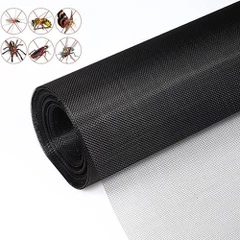
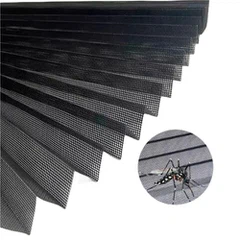
One of the most popular uses of fiberglass insect mesh is for windows and doors. It provides an effective barrier against insects, such as mosquitoes, flies, and spiders, while allowing fresh air to enter the building. Fiberglass insect mesh is available in a variety of colors and styles to match the aesthetic of any home or building.
Patio Enclosures
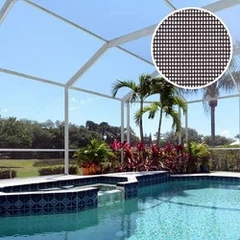
Fiberglass insect mesh is also commonly used for patio enclosures. It creates a comfortable and insect-free outdoor living space, allowing you to enjoy the outdoors without being bothered by insects. Patio enclosures can be customized to fit any size and shape of patio, and the mesh can be easily installed and removed as needed.
Greenhouses
In greenhouses, fiberglass insect mesh is used to prevent insects from entering and damaging the plants. It allows for proper ventilation and air circulation, while keeping pests out. The mesh can be installed on the sides and roof of the greenhouse to create a barrier against insects.
Industrial Applications
Fiberglass insect mesh is also used in a variety of industrial applications, such as in factories, warehouses, and food processing plants. It helps to prevent insects from contaminating the products and equipment, and provides a clean and safe working environment.
Why Choose Our Fiberglass Insect Mesh
As a leading supplier of fiberglass insect mesh, we take pride in offering high-quality products that meet the needs of our customers. Here are some reasons why you should choose our fiberglass insect mesh:
Superior Quality
Our fiberglass insect mesh is made from high-quality raw materials and undergoes a rigorous manufacturing process to ensure superior quality and performance. It is strong, durable, and resistant to UV rays, making it suitable for both indoor and outdoor applications.
Wide Range of Options
We offer a wide range of fiberglass insect mesh options to meet the diverse needs of our customers. We have different mesh sizes, colors, and coatings available, allowing you to choose the product that best suits your requirements.
Customization
We understand that every customer has unique needs, and we are committed to providing customized solutions. We can customize the size, shape, and color of the fiberglass insect mesh to meet your specific requirements.
Competitive Pricing
We offer our fiberglass insect mesh at competitive prices without compromising on quality. Our goal is to provide our customers with the best value for their money.
Excellent Customer Service
At our company, we believe in providing excellent customer service. Our team of experts is always available to answer your questions and provide you with the support you need. We are committed to ensuring your satisfaction with our products and services.
Related Products
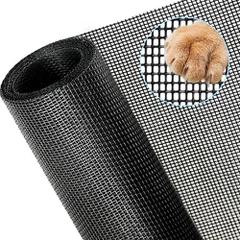
In addition to fiberglass insect mesh, we also offer a range of related products, including Polyester Mesh for Pet, Patio Door Fiberglass Mesh Screen, and Fiberglass Screen for Patio. These products are designed to complement our fiberglass insect mesh and provide additional solutions for your insect control needs.
Contact Us for Purchase and Negotiation
If you are interested in purchasing our fiberglass insect mesh or any of our related products, we encourage you to contact us. Our sales team is ready to assist you with your inquiries and provide you with a detailed quote. We look forward to working with you and helping you find the perfect solution for your insect control needs.
References
- "Fiberglass Reinforced Plastics: Materials, Manufacturing, and Applications" by Daniel R. Paul
- "Handbook of Textile Fibre Structure" by David J. Vaughn
- "Polymer Coatings and Surface Modification: Fundamentals and Applications" by S. K. Tripathy and B. K. Satapathy