


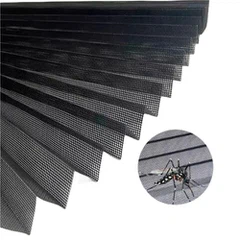
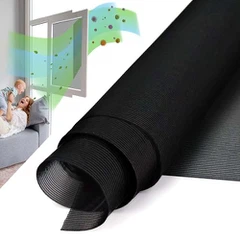
When it comes to protecting our living spaces from insects while maintaining good ventilation and visibility, insect mesh is an indispensable solution. Among the various types of insect mesh available in the market, fiberglass insect mesh and plastic insect mesh are two popular choices. As a supplier of fiberglass insect mesh, I have in - depth knowledge of both products and would like to share a detailed comparison between them.
1. Material Composition and Structure
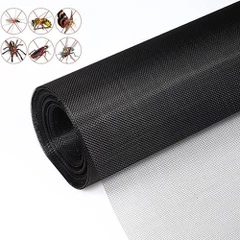
Fiberglass insect mesh is primarily made of fine glass fibers that are woven together. These glass fibers are coated with a PVC (polyvinyl chloride) layer in most cases. The fiberglass core provides strength and durability, while the PVC coating enhances its resistance to weather elements and gives it a smooth finish. The woven structure of fiberglass mesh creates a uniform pattern of small holes that are effective in keeping insects out.
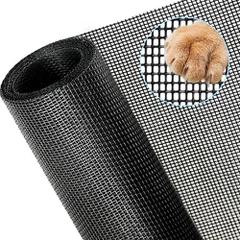
On the other hand, plastic insect mesh is made from various types of plastics, such as polyethylene or polypropylene. These plastics are often extruded or molded into a mesh structure. The plastic material can be more flexible compared to fiberglass, but its structural integrity may vary depending on the quality of the plastic used and the manufacturing process.
2. Durability
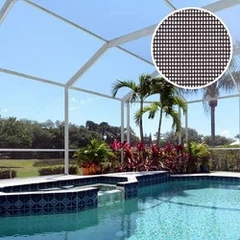
One of the significant advantages of fiberglass insect mesh is its high durability. Fiberglass is resistant to rust, corrosion, and rot, which makes it suitable for long - term use in various environments. Whether it is installed in a humid coastal area or a high - temperature region, fiberglass insect mesh can maintain its shape and functionality for many years. For example, in a pool area where the mesh is constantly exposed to water and chemicals, Fiberglass Pool Screen can withstand the harsh conditions without deteriorating.
Plastic insect mesh, however, may be more prone to damage over time. Exposure to sunlight, especially ultraviolet (UV) rays, can cause the plastic to become brittle and break down. In addition, sharp objects can easily tear plastic mesh, reducing its effectiveness in keeping insects out. If you are looking for a long - lasting solution for your patio, Fiberglass Patio Screen would be a better choice than plastic mesh.
3. Visibility and Aesthetics
Fiberglass insect mesh offers excellent visibility. The fine fibers and uniform weaving pattern create a nearly invisible barrier when viewed from a normal distance. This means that you can enjoy an unobstructed view of the outside while keeping insects at bay. Fiberglass mesh also comes in a variety of colors, allowing it to blend seamlessly with the surrounding environment. Whether you want a neutral color to match your window frame or a bold color to add a decorative touch, there are options available.
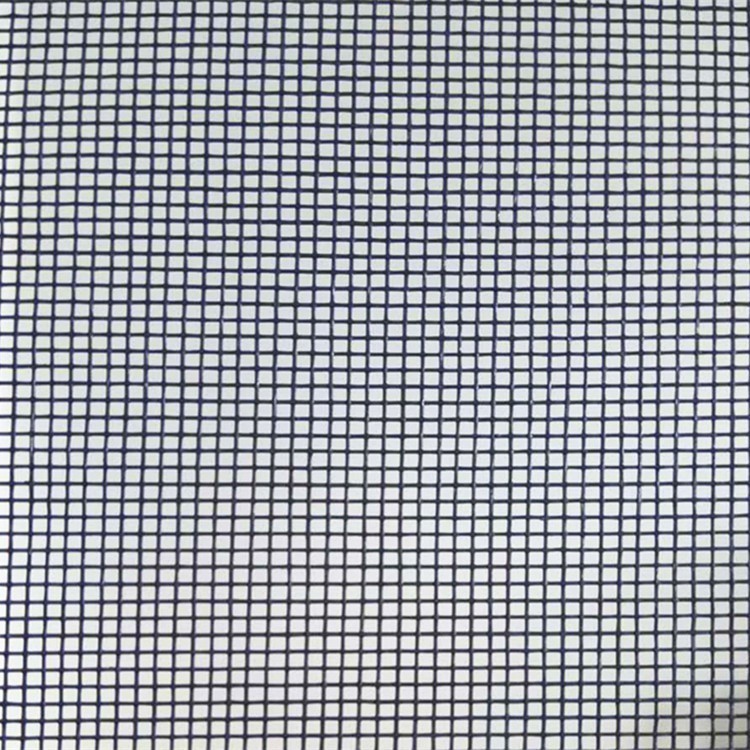

Plastic insect mesh may not provide the same level of clarity. Some plastic meshes can have a slightly hazy appearance, which can affect the view. Moreover, the color options for plastic mesh are often more limited, and the colors may fade over time due to UV exposure.
4. Ventilation
Both fiberglass and plastic insect meshes are designed to allow for good ventilation. However, fiberglass mesh has a more consistent pore size, which ensures a more even airflow. The smooth surface of the fiberglass mesh also reduces air resistance, allowing fresh air to flow freely into the room. This is especially important in areas where proper air circulation is crucial, such as kitchens and bathrooms.
Plastic mesh, depending on its manufacturing process, may have some variations in pore size. This can lead to uneven ventilation in some cases. Additionally, if the plastic mesh starts to sag or become deformed over time, it can further impede the airflow.
5. Cost
In terms of cost, plastic insect mesh is generally cheaper than fiberglass insect mesh. The raw materials for plastic are less expensive, and the manufacturing process is often simpler. This makes plastic mesh an attractive option for budget - conscious consumers. However, when considering the long - term cost, fiberglass mesh may be more cost - effective. Since it has a longer lifespan and requires less frequent replacement, you can save money in the long run.
6. Installation
Fiberglass insect mesh is relatively easy to install. It is lightweight and can be easily cut to the desired size using a sharp pair of scissors or a utility knife. The flexibility of the mesh allows it to be stretched and fitted into frames without much difficulty. Most DIY enthusiasts can install fiberglass mesh on their own with basic tools.
Plastic insect mesh is also easy to install, but it may require more care during handling. As it is more flexible and prone to tearing, extra caution is needed to avoid damaging the mesh while cutting and fitting it into the frame.
7. Environmental Impact
Fiberglass insect mesh is considered to be more environmentally friendly in the long term. Fiberglass is a non - biodegradable material, but its long lifespan means that it does not need to be replaced as often as plastic mesh. This reduces the amount of waste generated. Additionally, some fiberglass meshes are made with recyclable materials, which further minimizes their environmental impact.
Plastic insect mesh, being made from plastics, is a major contributor to plastic waste. The short lifespan of plastic mesh due to its susceptibility to damage means that it needs to be replaced more frequently, leading to more plastic waste being sent to landfills.
As a supplier of Fiberglass Insect Mesh, I believe that fiberglass insect mesh offers a superior solution compared to plastic insect mesh in most aspects. It provides better durability, visibility, ventilation, and environmental friendliness, despite having a higher upfront cost.
If you are interested in purchasing high - quality fiberglass insect mesh for your home or commercial property, I invite you to contact me for a detailed discussion. We can explore the best options that suit your specific needs and budget.
References
- "The Handbook of Fiberglass and Advanced Glast Composites" by Lubin, George.
- "Plastics: Materials and Processing" by Miller, Edward M.
- Industry reports on the performance and characteristics of insect mesh materials.