

How does a pollen screen mesh perform in a marine environment?
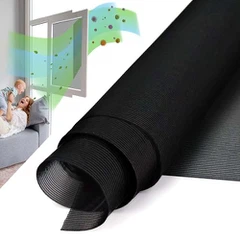
In a world where pollen allergies are prevalent and the need for fresh air while maintaining a clean indoor environment is crucial, pollen screen meshes have emerged as an essential solution. As a supplier of pollen screen mesh, I am often asked about how these meshes perform in various environments, especially the challenging marine environment. In this blog post, I will explore the performance of pollen screen mesh in a marine environment, discussing its features, challenges, and benefits.
Key Features of Pollen Screen Mesh
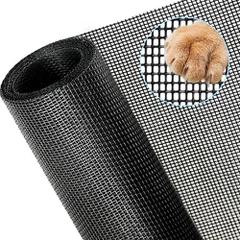
Pollen screen mesh is designed to filter out pollen and other fine particles, providing a barrier between the outdoor and indoor environment. It is typically made from high - quality materials such as fiberglass, polyester, or stainless steel. These materials offer different characteristics that contribute to the overall performance of the mesh.
Fiberglass mesh is lightweight, flexible, and resistant to corrosion. It is capable of capturing a significant amount of pollen without significantly reducing air flow. Polyester mesh, on the other hand, is known for its durability and strength. It can withstand harsh weather conditions and still maintain its filtering efficiency. Stainless steel mesh is the most robust option, offering excellent resistance to corrosion, heat, and physical damage.
Challenges in a Marine Environment
The marine environment poses unique challenges to any material, including pollen screen mesh. The high levels of salt in the air and water can cause corrosion, which may weaken the mesh over time. Additionally, strong winds, large waves, and high humidity can subject the mesh to physical stress and moisture damage.


Saltwater corrosion is one of the most significant threats to pollen screen mesh in a marine environment. Saltwater contains ions that react with the metal or other materials in the mesh, leading to rust and degradation. This can compromise the structural integrity of the mesh and reduce its filtering efficiency.
Strong winds and waves can also cause mechanical damage to the mesh. The force of the wind can tear or stretch the mesh, while large waves can splash water and debris onto the screen, clogging the pores and reducing air flow. High humidity levels can create a moist environment where mold and mildew can grow on the mesh, further affecting its performance.
Performance of Pollen Screen Mesh in a Marine Environment
Despite the challenges, pollen screen mesh can perform well in a marine environment if the right materials are chosen and proper maintenance is carried out.
Material Selection: As mentioned earlier, stainless steel mesh is the best choice for a marine environment. It has excellent resistance to saltwater corrosion, making it suitable for long - term use in coastal areas. Its high strength also allows it to withstand the physical forces exerted by wind and waves.
Fiberglass mesh can also be a viable option, especially if it is coated with a corrosion - resistant material. The coating can provide an extra layer of protection against salt and moisture, extending the lifespan of the mesh.
Filtering Efficiency: In a marine environment, the pollen screen mesh not only filters out pollen but also other particles such as salt crystals, sand, and sea spray. The fine pores of the mesh are designed to capture these particles while allowing fresh air to pass through. The exact filtering efficiency depends on the pore size of the mesh, with smaller pores capturing more particles but potentially reducing air flow.
Air Flow: Maintaining good air flow is crucial for the comfort of the indoor environment. Pollen screen mesh is engineered to balance filtering efficiency with air flow. In a marine environment, where fresh air is often associated with the sea breeze, it is important that the mesh does not impede the flow of air significantly. High - quality pollen screen meshes can achieve a good balance, allowing for a steady supply of fresh air while keeping out unwanted particles.
Benefits of Using Pollen Screen Mesh in a Marine Environment
Allergy Relief: For allergy sufferers in coastal areas, pollen screen mesh can provide much - needed relief. By filtering out pollen and other allergens, it helps to reduce the symptoms of allergies such as sneezing, itching, and watery eyes. You can learn more about Window Screens for Allergy Sufferers on our website.
Indoor Air Quality: In addition to pollen, the marine environment can introduce other pollutants such as salt and dust into the indoor space. Pollen screen mesh helps to improve indoor air quality by capturing these pollutants, creating a healthier living environment. Check out our Pollen and Dust Window Screens for more information.
Energy Efficiency: By allowing fresh air to enter the building while keeping out the heat and humidity, pollen screen mesh can contribute to energy efficiency. This reduces the reliance on air - conditioning systems, leading to lower energy consumption and cost savings.
Maintenance of Pollen Screen Mesh in a Marine Environment
To ensure the long - term performance of the pollen screen mesh in a marine environment, regular maintenance is essential.
Cleaning: Regular cleaning helps to remove salt deposits, dirt, and debris from the mesh. This can be done using a mild detergent and a soft brush or sponge. Rinse the mesh thoroughly with clean water to remove any remaining detergent.
Inspection: Periodically inspect the mesh for signs of damage, such as tears, holes, or corrosion. If any damage is detected, it should be repaired or replaced immediately to prevent further deterioration.
Coating Reapplication: If the mesh is coated with a corrosion - resistant material, the coating may need to be reapplied over time. Follow the manufacturer's instructions for the proper application of the coating.
Conclusion
Pollen screen mesh can perform effectively in a marine environment when the right materials are selected and proper maintenance is carried out. It offers numerous benefits, including allergy relief, improved indoor air quality, and energy efficiency. As a supplier of pollen screen mesh, we are committed to providing high - quality products that can meet the demands of the marine environment. Whether you are looking for Pollen Mesh for Windows or other types of pollen screen meshes, we have the solutions to meet your needs.
If you are interested in learning more about our pollen screen mesh products and how they can perform in your specific marine environment, please feel free to contact us for a consultation and to discuss your procurement requirements.
References
- ASTM International. (Year). Standard test methods for evaluation of outdoor air filters and filtering systems. ASTM Publication.
- Tsang, S. H., & Cheung, W. K. (Year). Performance of air filters in different environmental conditions. Journal of Environmental Science and Technology.