

Solar polyester screens have gained significant popularity in recent years due to their energy-saving and aesthetic benefits. As a solar polyester screen supplier, I've often been asked about their impact beyond just sun protection. One area that's not as commonly discussed but equally important is how these screens affect the acoustic quality of a room. In this blog, I'll delve into the science behind it and explore the various aspects of this relationship.
Understanding Solar Polyester Screens
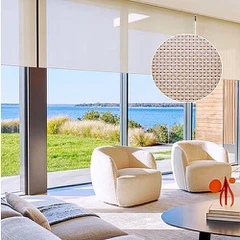
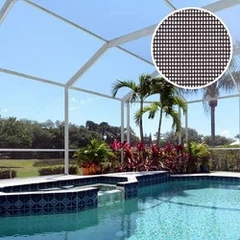
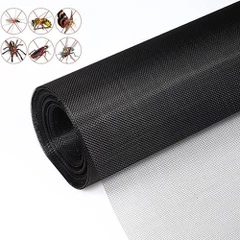
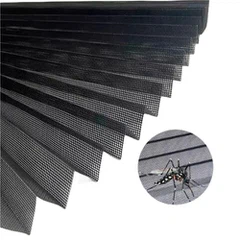
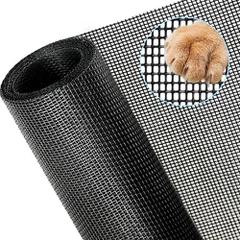
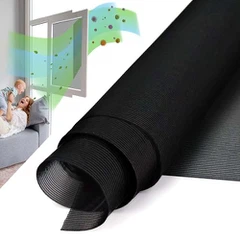
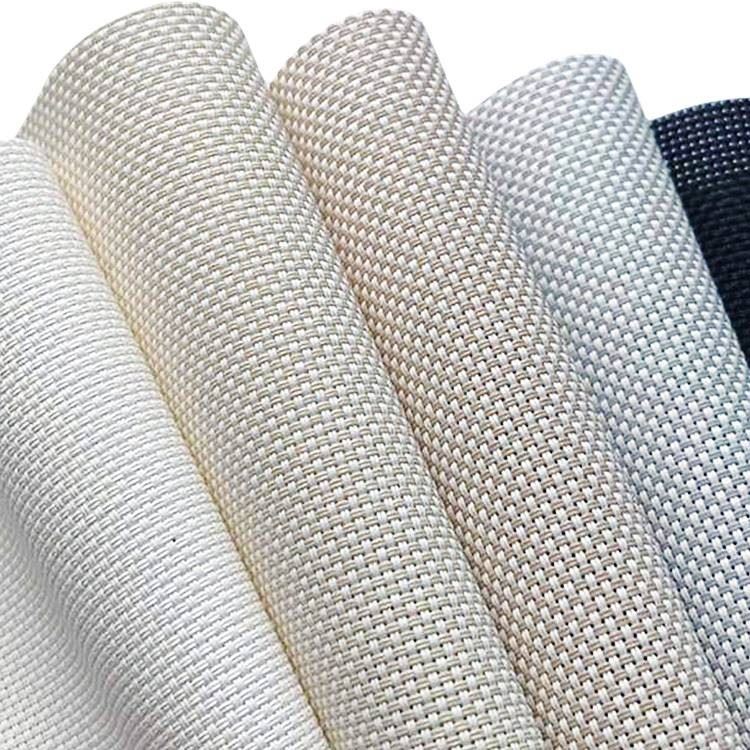
Solar polyester screens are made primarily from polyester materials. They are designed to block a significant portion of the sun's rays, reducing heat gain and glare inside a room. These screens come in different types, such as Polyester+PVC Sunshade 1% Fabric, which offers a specific level of sun protection and openness. Another type is the Exterior Sun Control Mesh, which is often used for exterior applications to control sunlight and provide some degree of privacy.
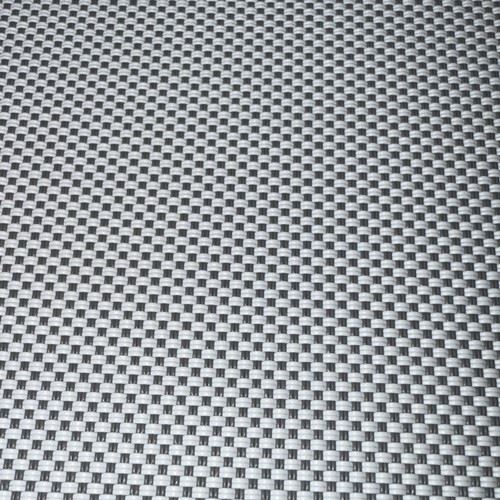
The screens have different characteristics depending on their design and material composition. The thread count, the density of the weave, and the openness percentage all play a role in determining the screen's performance in terms of sun protection and acoustic properties.
Acoustic Fundamentals
Before we explore how solar polyester screens affect room acoustics, let's understand some basic acoustic concepts. Sound travels in waves, and when these waves encounter an object, several things can happen. The sound can be reflected, absorbed, or transmitted through the object.
Reflection occurs when sound waves bounce off a surface. A hard and smooth surface, like a glass window, tends to reflect a large portion of the sound waves, causing echoes in a room. Absorption, on the other hand, happens when the sound energy is converted into heat energy as the waves pass through a material. Materials with high porosity, such as acoustic foams, are good at absorbing sound. Transmission refers to the passage of sound waves through a material.
The acoustic quality of a room is measured by several factors, including reverberation time, which is the time it takes for the sound to decay by 60 decibels after the source stops. A shorter reverberation time generally indicates better acoustic quality, as it means less echo and a clearer sound.
How Solar Polyester Screens Impact Acoustics
Sound Absorption
Solar polyester screens can contribute to sound absorption in a room. The porous nature of the screen material allows sound waves to enter the screen. As the waves move through the fibers of the polyester, they encounter resistance, which converts some of the sound energy into heat. The degree of absorption depends on the screen's density and openness.
A screen with a lower openness percentage and higher density will generally absorb more sound. For example, the Customizable Openness Sunscreen 0 - 20% Fabric Sun - Shading Roller Blinds can be adjusted to a lower openness setting, which may enhance its sound - absorbing capabilities. This is particularly beneficial in rooms where excessive reverberation is a problem, such as large open - plan offices or auditoriums.
Sound Reflection
Compared to non - porous surfaces like glass, solar polyester screens reduce sound reflection. When sound waves hit the screen, instead of bouncing off cleanly, they are partially absorbed and dispersed. This helps to break up the sound waves and prevent the formation of strong echoes. In a room with large windows covered by solar polyester screens, the overall reverberation level can be significantly reduced.
Sound Transmission
Solar polyester screens can also act as a barrier to sound transmission. While they may not be as effective as dedicated soundproofing materials, they can still reduce the amount of external noise entering a room. The layers of polyester fibers in the screen can impede the passage of sound waves, especially high - frequency sounds. This is useful in rooms located near noisy streets or areas with high - traffic, as the screens can provide some relief from the outside noise.
Factors Affecting the Acoustic Performance of Solar Polyester Screens
Screen Material and Design
The type of polyester used and the weaving pattern of the screen can greatly affect its acoustic performance. Some polyesters have better sound - absorbing properties than others. Additionally, screens with a more complex weaving pattern may offer better sound dispersion and absorption.
Screen Installation
The way the screen is installed also plays a role. If the screen is tightly attached to the window frame, it may not be as effective in absorbing sound as when there is a small air gap between the screen and the window. An air gap can act as an additional sound - absorbing layer, enhancing the overall acoustic performance of the screen.
Room Size and Shape
The size and shape of the room influence how the solar polyester screen affects the acoustic quality. In a large room, the screen may have a more noticeable impact on reducing reverberation time. In contrast, in a small room, the screen's effect may be more limited, but it can still help in reducing the sharpness of echoes.
Practical Applications
In residential settings, solar polyester screens can be used in bedrooms, living rooms, and home offices. They not only protect against the sun but also improve the acoustic environment, making the spaces more comfortable and quiet. For example, in a bedroom located near a busy road, the screens can reduce the outside noise and create a more peaceful sleeping environment.
In commercial settings, such as offices and restaurants, solar polyester screens can enhance the acoustic quality, reducing distractions and improving the overall user experience. In an open - plan office, the screens can help to reduce the spread of noise between workstations, improving concentration and productivity.
Conclusion
Solar polyester screens have a significant impact on the acoustic quality of a room. They can absorb sound, reduce reflection, and even act as a partial barrier to sound transmission. As a solar polyester screen supplier, I can attest to the versatility and benefits of these products. Whether you're looking to create a more comfortable living space or a more productive work environment, solar polyester screens are a great option.
If you're interested in experiencing the sun - protection and acoustic benefits of our solar polyester screens, we'd love to have a discussion with you. We can help you choose the right type of screen for your specific needs, whether it's the Polyester+PVC Sunshade 1% Fabric, Exterior Sun Control Mesh, or Customizable Openness Sunscreen 0 - 20% Fabric Sun - Shading Roller Blinds. Contact us to start the procurement process and transform your space.
References
- Beranek, Leo L. (1954). Acoustics. McGraw - Hill.
- Kinsler, Lawrence E., Frey, Austin R., Coppens, Alan B., & Sanders, James V. (2000). Fundamentals of Acoustics. Wiley.