

Hey there! As a pollen screen supplier, I've had my fair share of customers asking about how pollen screens stack up against window films. So, I thought I'd dive into this topic and share some insights to help you make an informed decision.
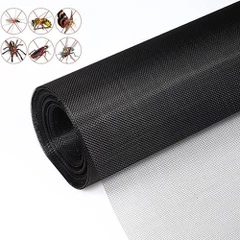
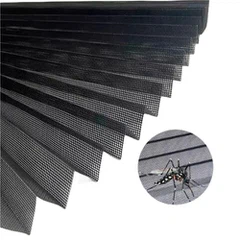
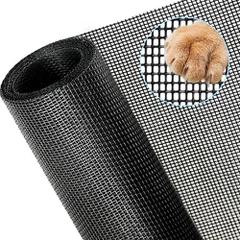
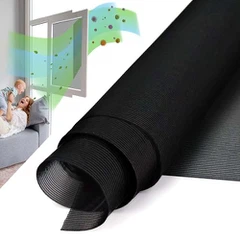
Let's start by understanding what each of these products is all about. Pollen screens, like the ones you can find at Pollen Mesh for Windows, are designed specifically to keep pollen and other allergens out of your home. They're usually made of a fine mesh material that allows air to flow through while blocking the tiny pollen particles. On the other hand, window films are thin sheets that are applied directly to the glass of your windows. They come in various types, such as solar films, privacy films, and anti - glare films.
Effectiveness Against Pollen
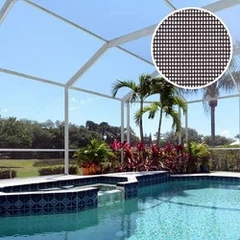
When it comes to keeping pollen out, pollen screens are the clear winners. These screens are engineered with a specific pore size that can trap pollen grains effectively. For example, our Anti Pollen Window Screen has been tested to block a high percentage of common pollen types. The fine mesh acts as a physical barrier, preventing pollen from entering your home through the windows.
Window films, however, aren't really designed for this purpose. Their main functions are related to things like heat reduction, UV protection, or privacy. They don't have any mechanism to stop pollen from floating in through the open spaces around the window frame or any small gaps. So, if you're an allergy sufferer looking to reduce your pollen exposure at home, a pollen screen is a much better option. You can check out Window Screens for Allergy Sufferers to see how our products can help.
Airflow and Ventilation
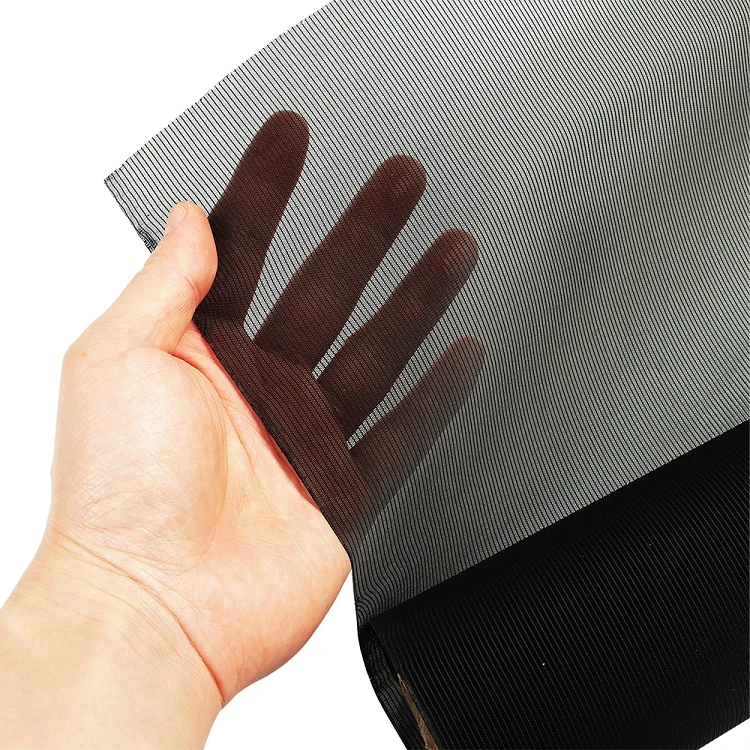
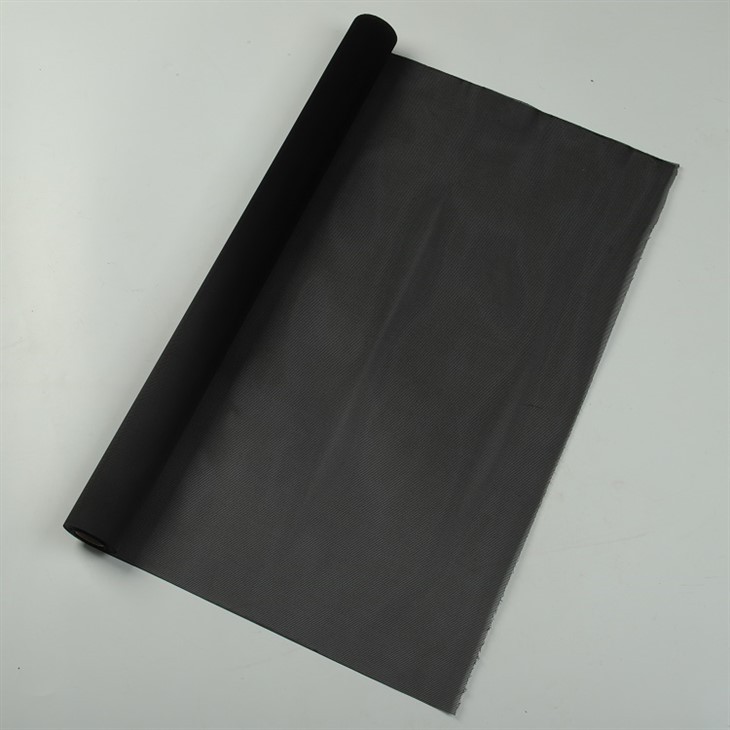
One of the great things about pollen screens is that they allow for good airflow. Since they're made of mesh, air can easily pass through them. This is important for maintaining a fresh and well - ventilated home. You can keep your windows open and still enjoy the breeze without worrying about a flood of pollen coming in. This natural ventilation can also help reduce humidity levels inside your home, which is beneficial for preventing mold growth.
Window films, especially those designed for heat reduction, can sometimes reduce the amount of natural airflow. Some films are so thick that they can make the window feel stuffy, even when it's open. And since they don't block pollen, you might be hesitant to open the windows at all during pollen season, which can lead to poor indoor air quality.
Visibility
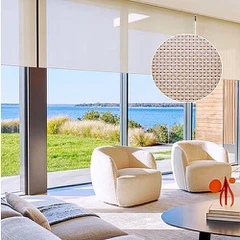
Pollen screens are generally very unobtrusive when it comes to visibility. The mesh is fine enough to block pollen but doesn't significantly distort your view outside. You can still enjoy a clear sight of your garden or the neighborhood while having the protection against pollen.
Window films, depending on the type, can affect your visibility. Privacy films, for example, are meant to make it difficult for people outside to see in, but they also reduce your view of the outside. Solar films can sometimes cause a glare or a tint that might be annoying, especially when you're trying to look out during certain times of the day.
Installation and Maintenance
Installing a pollen screen is usually a pretty straightforward process. Most of our screens come with easy - to - follow instructions and can be installed by homeowners themselves. They can be attached to the window frame using simple tools like screws or clips. And when it comes to maintenance, you just need to clean the screen periodically to remove any trapped pollen or dust. A gentle vacuum or a rinse with water is usually enough to keep it in good condition.
Window films, on the other hand, can be a bit more tricky to install. Applying the film evenly to the window glass without getting any bubbles or wrinkles requires some skill. And if you make a mistake, it can be difficult to correct. Maintenance can also be a bit more involved. Some films need to be cleaned with special solutions to avoid scratching, and over time, they can start to peel or fade.
Cost
The cost of pollen screens and window films can vary depending on several factors, such as the size of the window, the quality of the product, and the brand. In general, pollen screens are often more cost - effective, especially if you're mainly concerned about pollen protection. You can get a high - quality pollen screen for a reasonable price, and it will last for a long time with proper care.
Window films can be more expensive, especially if you're looking for high - end options with advanced features like heat reduction and UV protection. And since they might need to be replaced more often due to wear and tear, the long - term cost can be higher.
Aesthetics
Pollen screens are available in a variety of styles and colors to match your home's decor. You can choose a screen that blends in with the window frame or makes a subtle statement. They're designed to be functional but also look good on your windows.
Window films can change the appearance of your windows quite a bit. Some films give the windows a dark or mirrored look, which might not be to everyone's taste. And if the film starts to peel or bubble, it can make the windows look shabby.
In conclusion, if you're dealing with pollen allergies and want to keep your home pollen - free while still enjoying good airflow and a clear view, pollen screens are the way to go. They offer better protection against pollen, are easier to install and maintain, and are often more cost - effective.
If you're interested in learning more about our pollen screens or want to start a purchase negotiation, feel free to reach out. We're here to help you find the best solution for your home.
References
- General knowledge on window products and pollen protection.
- In - house testing and research on pollen screen effectiveness.