


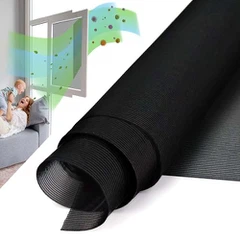
Hey there! As a supplier of Plisse fly screens, I often get asked about how to clean these nifty little things. A clean Plisse fly screen not only looks great but also functions better, keeping those pesky bugs out while letting fresh air in. So, let's dive into the step-by-step process of cleaning a Plisse fly screen.
Why Clean Your Plisse Fly Screen?
Before we get into the how-to, let's talk about why cleaning your Plisse fly screen is important. Over time, dust, dirt, pollen, and even bugs can accumulate on the screen. This buildup not only makes your screen look dirty but can also block airflow, reducing the effectiveness of your screen. A clean screen ensures that you get the most out of your Plisse fly screen, whether it's Plisse Fly Screen for your windows or Plisse Window&door Screen for your doors.
Tools You'll Need
Cleaning a Plisse fly screen doesn't require a bunch of fancy tools. Here's what you'll need:


- A soft-bristled brush: This could be an old toothbrush or a small paintbrush. It's great for getting into the nooks and crannies of the screen.
- A bucket of warm, soapy water: You can use a mild dish soap or a specialized screen cleaner.
- A clean, lint-free cloth: This is for drying the screen after you've cleaned it.
- A hose or a spray bottle: If you're cleaning the screen outdoors, a hose works great. If you're cleaning it indoors, a spray bottle filled with water will do the trick.
Step 1: Remove the Screen
The first step in cleaning your Plisse fly screen is to remove it from the window or door. Most Plisse fly screens are easy to remove. Look for the release mechanisms on the sides or bottom of the screen. These are usually small tabs or levers that you can push or pull to release the screen. Once the screen is released, gently lift it out of the frame.
Step 2: Brush Off Loose Debris
Before you start washing the screen, use your soft-bristled brush to gently brush off any loose dirt, dust, or bugs. Start at the top of the screen and work your way down, using short, gentle strokes. Pay special attention to the corners and edges of the screen, as these areas tend to collect the most debris. You can do this step indoors or outdoors, depending on how much debris there is. If there's a lot of debris, it's best to do this step outdoors to avoid making a mess inside your home.
Step 3: Wash the Screen
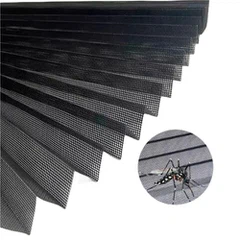
Once you've brushed off the loose debris, it's time to wash the screen. Dip your soft-bristled brush into the bucket of warm, soapy water and gently scrub the screen. Start at the top and work your way down, using circular motions. Make sure to cover the entire surface of the screen, including the Pleat Mesh. If there are any stubborn stains or dirt, you can let the soapy water sit on the screen for a few minutes before scrubbing.
If you're using a hose, you can spray the screen with water to rinse off the soap. If you're using a spray bottle, spray the screen with water until all the soap is removed. Make sure to rinse the screen thoroughly, as any leftover soap can leave a residue on the screen.
Step 4: Dry the Screen
After you've rinsed the screen, use a clean, lint-free cloth to dry it. Gently pat the screen dry, starting at the top and working your way down. Make sure to dry the entire surface of the screen, including the edges and corners. If you're in a hurry, you can also let the screen air dry. Just make sure to place it in a well-ventilated area where it won't get dirty again.
Step 5: Reinstall the Screen
Once the screen is dry, it's time to reinstall it. Line up the screen with the frame and gently lower it into place. Make sure the screen is properly seated in the frame and that the release mechanisms are engaged. Give the screen a gentle tug to make sure it's secure.
Tips for Maintaining Your Plisse Fly Screen
- Regular cleaning: To keep your Plisse fly screen looking and functioning its best, it's a good idea to clean it regularly. Depending on how much use your screen gets and the environment it's in, you may need to clean it once a month or once every few months.
- Avoid harsh chemicals: When cleaning your Plisse fly screen, avoid using harsh chemicals or abrasive cleaners. These can damage the screen and reduce its lifespan. Stick to mild dish soap or a specialized screen cleaner.
- Inspect the screen regularly: Take a few minutes to inspect your Plisse fly screen regularly for any signs of damage, such as tears or holes. If you notice any damage, it's important to repair or replace the screen as soon as possible to ensure it continues to keep bugs out.
Conclusion
Cleaning a Plisse fly screen is a simple process that can make a big difference in the look and performance of your screen. By following these steps and tips, you can keep your Plisse fly screen clean and in good condition for years to come.
If you're in the market for a new Plisse fly screen or have any questions about cleaning or maintaining your existing screen, don't hesitate to reach out. We're here to help you find the perfect solution for your home. Contact us today to start the conversation and explore our wide range of Plisse Fly Screen options.
References
- General knowledge about screen cleaning and Plisse fly screen maintenance.