


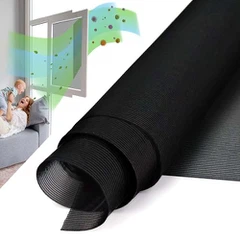
Hey there! I'm a supplier of anti pollen screens, and I'm super excited to share with you how these nifty devices work with ventilation systems. You know, pollen can be a real pain in the neck for a lot of people, especially during allergy season. It can cause all sorts of problems, like sneezing, itching, and watery eyes. That's where anti pollen screens come in.
How Pollen Gets in Through Ventilation Systems
First off, let's talk about how pollen manages to get into our homes through ventilation systems. Ventilation systems are designed to bring in fresh air from the outside. But along with that fresh air, pollen grains can also make their way in. Pollen is incredibly small, and it can easily float through the air. When the ventilation system sucks in outside air, these tiny pollen particles are carried along with it and end up inside our living spaces.
The Basics of Anti Pollen Screens
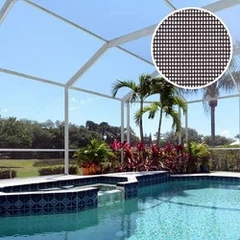
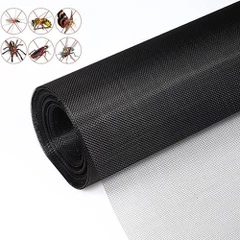
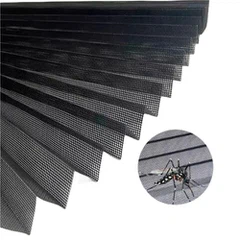
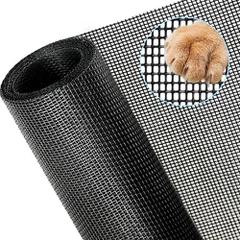
So, what exactly are anti pollen screens? Well, they're basically filters that are installed in or around the ventilation system. These screens are made up of a fine mesh that's designed to trap pollen particles as the air passes through. Think of it like a net for pollen.
The mesh of an anti pollen screen is engineered to have specific pore sizes. These pore sizes are small enough to catch pollen grains but large enough to allow air to flow through without causing too much resistance. This is crucial because if the mesh is too tight, it can restrict the airflow, which can put a strain on the ventilation system and reduce its efficiency.
How They Work with Ventilation Systems
Now, let's dive into how anti pollen screens work with ventilation systems. There are a few different ways they can be integrated.
In - Duct Installation
One common method is in - duct installation. In this case, the anti pollen screen is placed directly inside the ventilation ducts. As the air is drawn through the ducts by the ventilation system, it has to pass through the screen. The screen then traps the pollen, preventing it from being distributed throughout the building. This is a great option because it ensures that all the air entering the building is filtered.
For example, in a large office building, the ventilation system might have multiple ducts running throughout the floors. By installing anti pollen screens in these ducts, the building management can keep the indoor air free from pollen, creating a more comfortable environment for employees, especially those with pollen allergies.
External Mounting
Another way is external mounting. Some anti pollen screens are designed to be placed on the outside of the ventilation intake. This can be a good option for smaller ventilation systems, like those in homes. The screen acts as a first line of defense, catching the pollen before it even enters the ventilation system.
Imagine you have a small home ventilation unit on the side of your house. By attaching an anti pollen screen to the intake, you can significantly reduce the amount of pollen that gets into your home. It's like having a little guard at the entrance of your ventilation system, keeping the pollen out.
The Science Behind the Screens
The effectiveness of anti pollen screens is based on some pretty cool science. When air flows through the screen, the pollen particles are subject to different forces. One of the main forces at play is inertial impaction.
As the air changes direction when it hits the mesh of the screen, the heavier pollen particles, due to their inertia, tend to keep moving in their original direction and collide with the mesh fibers. Once they hit the fibers, they stick to them, thanks to things like electrostatic forces and van der Waals forces.
Diffusion also plays a role. Smaller pollen particles can move randomly in the air due to Brownian motion. This random movement increases the chances of them coming into contact with the mesh fibers of the screen and getting trapped.
Benefits of Using Anti Pollen Screens with Ventilation Systems
There are several benefits to using anti pollen screens with ventilation systems.
Health Benefits
The most obvious benefit is the improvement in indoor air quality, which is great for our health. For people with pollen allergies, having an anti pollen screen in the ventilation system can significantly reduce their exposure to pollen, alleviating allergy symptoms. It can also benefit those with respiratory conditions like asthma, as reducing pollen in the air can help prevent asthma attacks.
Energy Efficiency
You might be thinking that adding a screen to the ventilation system could make it less energy - efficient. But actually, when the screen is properly designed, it can have a positive impact on energy efficiency. By trapping pollen and other debris, the screen prevents them from clogging the ventilation system. A clean ventilation system runs more smoothly and uses less energy.
Extended System Lifespan
Since the anti pollen screen keeps pollen and other particles from entering the ventilation system, it reduces the wear and tear on the system components. This can extend the lifespan of the ventilation system, saving you money on repairs and replacements in the long run.
Different Types of Anti Pollen Screens
There are a few different types of anti pollen screens available on the market.
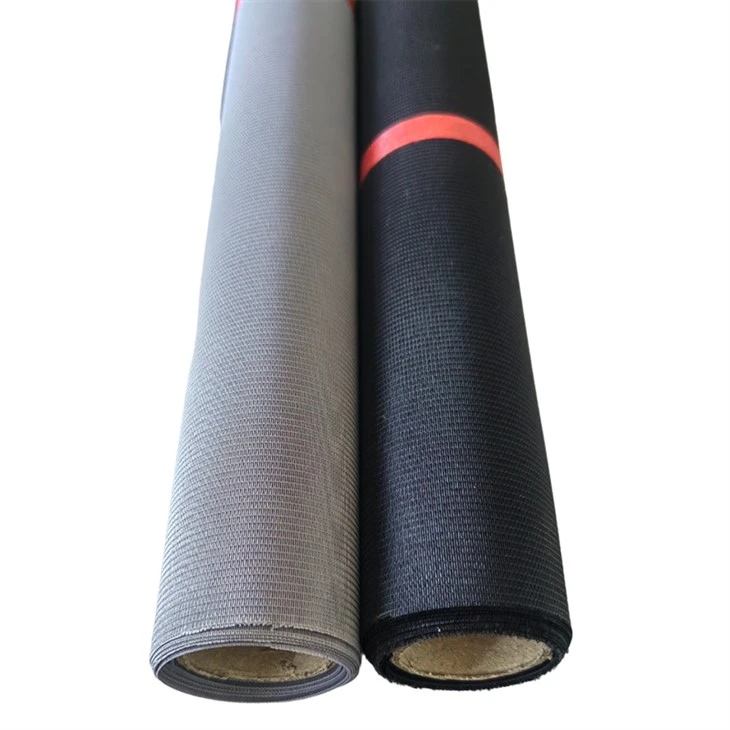
16×48 Pollen Screen Mesh
This type of screen has a specific mesh size of 16×48. The 16×48 Pollen Screen Mesh is designed to be very effective at trapping pollen while still allowing good airflow. It's a popular choice for both residential and commercial ventilation systems.
Anti Pollen Screen
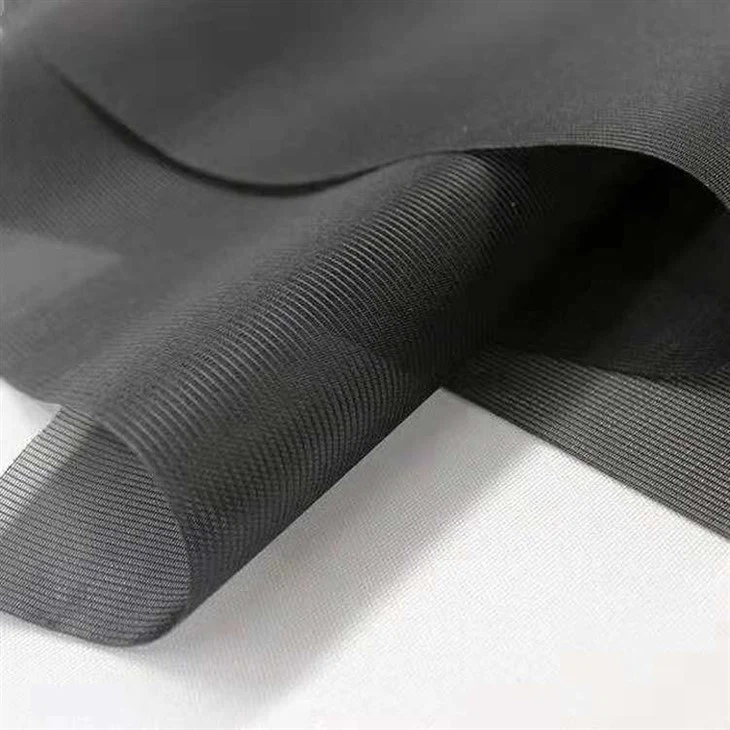
The Anti Pollen Screen is a general - purpose screen that can be customized to fit different ventilation systems. It's made from high - quality materials that are durable and long - lasting. This screen is known for its high efficiency in filtering out pollen.
Pollen Guard Screen
The Pollen Guard Screen is designed to provide maximum protection against pollen. It has a special coating that helps to attract and trap pollen more effectively. This type of screen is ideal for areas with high pollen counts.
Maintenance of Anti Pollen Screens
To keep your anti pollen screen working effectively, regular maintenance is essential. You should clean the screen periodically to remove the trapped pollen and other debris. Depending on the pollen levels in your area, you might need to clean the screen every few weeks or months.
Most anti pollen screens can be easily removed and washed with mild soap and water. After washing, make sure to let the screen dry completely before reinstalling it.
Conclusion
In conclusion, anti pollen screens are a great addition to ventilation systems. They work by trapping pollen as the air passes through, improving indoor air quality, and providing numerous benefits such as better health, energy efficiency, and an extended system lifespan. Whether you're a homeowner looking to make your home more comfortable during allergy season or a building manager responsible for a large commercial property, there's an anti pollen screen out there for you.
If you're interested in purchasing anti pollen screens for your ventilation system, I'd love to talk to you. Get in touch, and we can discuss the best options for your specific needs. Let's work together to create a pollen - free indoor environment!
References
- "Air Filtration and Indoor Air Quality" by the American Society of Heating, Refrigerating and Air - Conditioning Engineers (ASHRAE).
- "Pollen Allergies: Causes and Prevention" by the World Health Organization (WHO).