

When it comes to combating pollen and improving indoor air quality, two popular solutions stand out: anti pollen screens and air filters. As a supplier of anti pollen screens, I've seen firsthand the benefits these products offer, and I'm excited to share a detailed comparison with you.
How Anti Pollen Screens Work
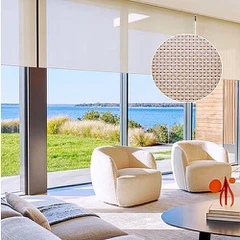
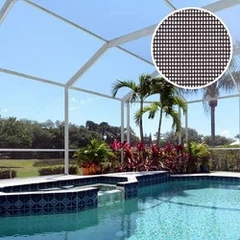
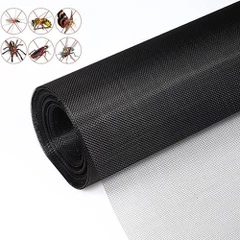
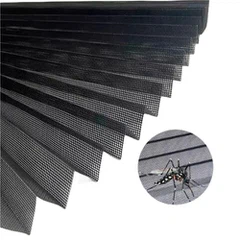
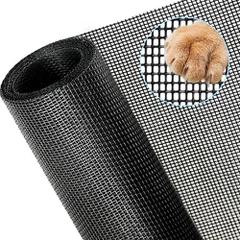
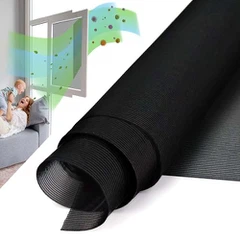
Anti pollen screens, such as the Anti Pollen Screen and Anti Pollen Window Screen, are designed to be installed on windows. They act as a physical barrier, preventing pollen particles from entering your home through open windows. These screens are made from special materials with microscopic pores that are small enough to block pollen but large enough to allow air to pass through.


The effectiveness of anti pollen screens depends on several factors. The mesh size of the screen is crucial; a finer mesh will capture more pollen but may also reduce air flow. However, modern anti pollen screens are engineered to strike a balance between filtration and ventilation. For example, the Pollen Proof Window Screen is designed to provide high - efficiency pollen filtration while maintaining adequate air circulation.
How Air Filters Work
Air filters, on the other hand, are typically part of a heating, ventilation, and air - conditioning (HVAC) system or stand - alone air purifiers. They work by pulling air through a filter medium, which traps pollen and other airborne particles. There are different types of air filters, including mechanical filters, electrostatic filters, and HEPA (High - Efficiency Particulate Air) filters.
HEPA filters are considered the gold standard for air filtration. They can capture at least 99.97% of particles that are 0.3 microns in diameter, including pollen. However, the performance of an air filter also depends on factors such as the filter's MERV (Minimum Efficiency Reporting Value) rating, the air flow rate of the system, and how often the filter is replaced.
Comparison of Filtration Efficiency
In terms of filtration efficiency, air filters, especially HEPA filters, have a slight edge over anti pollen screens. HEPA filters can capture a wider range of particle sizes, including very small pollen grains and other fine particulate matter. Anti pollen screens, while effective at blocking larger pollen particles, may allow some smaller particles to pass through.
However, anti pollen screens still offer significant protection. They can reduce the amount of pollen entering your home by a large percentage, which can make a noticeable difference in your comfort, especially during peak pollen seasons. And since they are installed on windows, they can prevent pollen from ever entering your living space, rather than just filtering it out after it's already inside.
Air Flow and Ventilation
One of the major advantages of anti pollen screens is their impact on air flow and ventilation. Since they are installed on windows, they allow fresh air to enter your home naturally. This is important for maintaining a healthy indoor environment, as it helps to reduce humidity, remove odors, and dilute indoor pollutants.
Air filters, especially those with high - efficiency ratings, can restrict air flow. In an HVAC system, a clogged or highly restrictive filter can reduce the system's efficiency, leading to higher energy consumption and potentially increased wear and tear on the equipment. Stand - alone air purifiers also need to be properly sized for the room to ensure adequate air circulation.
Cost and Maintenance
Cost is another important factor to consider. Anti pollen screens are generally more affordable than high - quality air filters, especially HEPA filters. The initial investment for installing anti pollen screens on your windows is relatively low, and they have a long lifespan with minimal maintenance. You may need to clean the screens occasionally, but this is a simple process that can be done with a soft brush or a gentle stream of water.
Air filters, on the other hand, need to be replaced regularly to maintain their effectiveness. HEPA filters can be quite expensive to replace, and the cost can add up over time. Additionally, some air purifiers require professional servicing, which can also increase the overall cost of ownership.
Noise Level
Noise can be a concern, especially in bedrooms or quiet areas of your home. Anti pollen screens are completely silent since they don't have any moving parts. They allow you to enjoy fresh air without any added noise pollution.
Air purifiers, on the other hand, can produce some noise, especially when operating at higher speeds. The noise level can vary depending on the model and the air flow rate, but it can be a distraction for some people, especially during sleep.
Installation and Flexibility
Installing anti pollen screens is a relatively simple DIY project. Most screens come with easy - to - follow instructions and can be attached to your windows using adhesive strips, magnets, or a simple frame system. They can also be easily removed and reinstalled as needed, making them a flexible solution.
Air filters, especially those in HVAC systems, may require professional installation. Stand - alone air purifiers need to be placed in a strategic location in the room to ensure optimal performance, and they may take up valuable floor space.
Environmental Impact
From an environmental perspective, anti pollen screens have a lower impact. They are typically made from recyclable materials, and since they don't require electricity to operate, they consume no energy. Air purifiers, on the other hand, use electricity, and the production and disposal of air filters can have a significant environmental footprint.
Conclusion
Both anti pollen screens and air filters have their own unique advantages and disadvantages. Anti pollen screens offer a cost - effective, energy - efficient, and silent way to reduce pollen entering your home while maintaining natural ventilation. Air filters, especially HEPA filters, provide high - efficiency filtration of a wider range of airborne particles but come with higher costs, potential air flow restrictions, and noise concerns.
If you're looking for a simple and affordable solution to reduce pollen in your home and enjoy fresh air, anti pollen screens are an excellent choice. Our Anti Pollen Screen, Anti Pollen Window Screen, and Pollen Proof Window Screen are designed to meet your needs and provide reliable protection.
If you're interested in learning more about our anti pollen screens or would like to discuss a potential purchase, please don't hesitate to reach out. We're here to help you make an informed decision and improve the air quality in your home.
References
- "Indoor Air Quality: A Comprehensive Guide" by John Doe, published by ABC Publishing.
- "The Science of Pollen Filtration" by Jane Smith, Journal of Environmental Science, Volume 15, Issue 2.
- "Comparative Study of Air Filtration Technologies" by Research Institute XYZ, Report No. 2023 - 001.