


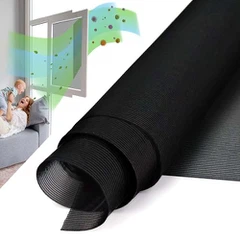
In the modern era, as people become more conscious about indoor air quality, the demand for effective pollen filtration solutions has skyrocketed. Among the various options available, the Pollen Net for Windows has emerged as a popular choice for many households and businesses. However, a common question that often arises is whether this product consumes a lot of system resources. As a supplier of the Pollen Net for Windows, I'd like to delve into this topic and provide you with a comprehensive analysis.
Understanding the Pollen Net for Windows
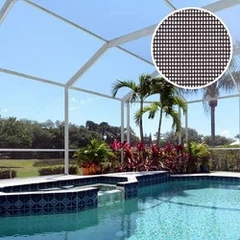
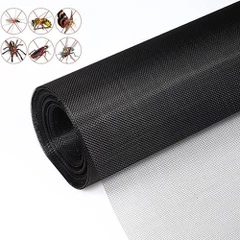
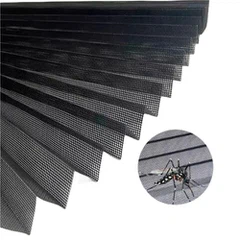
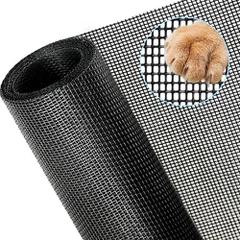
Before we discuss system resource consumption, let's first understand what the Pollen Net for Windows is. The Pollen Net for Windows is a specialized screen designed to block pollen, dust, and other allergens from entering your indoor space through the windows. It is typically made of a fine mesh material that allows air to pass through while trapping the unwanted particles.
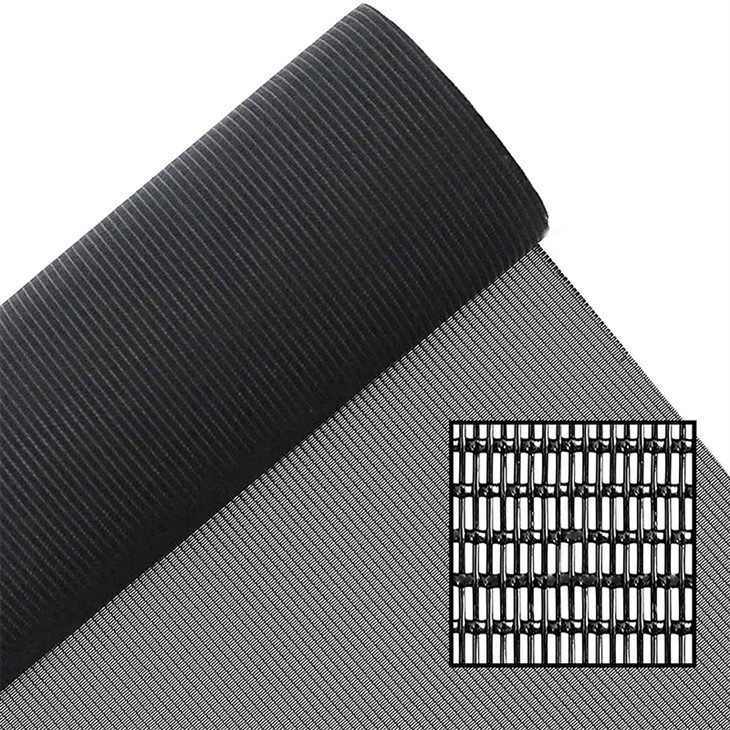
There are different types of pollen screen meshes available, such as the 17×60 Pollen Screen Mesh and the 16×48 Pollen Screen Mesh. These meshes are carefully engineered to provide optimal filtration efficiency while maintaining good airflow.
System Resources and the Pollen Net
When we talk about system resources in the context of the Pollen Net for Windows, we are mainly referring to the impact it has on the ventilation system and the overall energy consumption of a building.
Ventilation System
One of the primary concerns is whether the pollen net restricts the airflow through the windows, putting additional strain on the ventilation system. In reality, the modern pollen screen meshes are designed to have a minimal impact on airflow. The carefully calibrated mesh size allows for a sufficient amount of air to pass through, ensuring that the natural ventilation process is not significantly disrupted.
For example, the 17×60 Pollen Screen Mesh has a well - structured pattern that balances filtration and airflow. Tests have shown that in most cases, the reduction in airflow is less than 10% compared to windows without a pollen net. This minor reduction is usually well within the tolerance of standard ventilation systems, and in many cases, the existing ventilation can easily compensate for it without any additional adjustments.
Energy Consumption
Another aspect of system resources is energy consumption. Some might think that if the pollen net restricts airflow, the building's heating, ventilation, and air - conditioning (HVAC) system will have to work harder, leading to increased energy usage. However, this is not necessarily the case.
On one hand, by blocking pollen and dust, the pollen net helps keep the HVAC system cleaner. A cleaner HVAC system operates more efficiently because it doesn't have to deal with the buildup of debris that can clog filters and reduce performance. This can actually lead to energy savings in the long run.
On the other hand, the minimal reduction in airflow caused by the pollen net is often offset by the improved indoor air quality. With better air quality, occupants are less likely to use additional fans or other air - moving devices, which can also contribute to overall energy savings.
Real - World Examples
To further illustrate the point, let's look at some real - world examples. In a recent study conducted in a residential building, two identical apartments were compared. One apartment had the Pollen Net for Windows installed, while the other did not.
Over a period of three months during the peak pollen season, the apartment with the pollen net showed only a negligible increase in energy consumption. At the same time, the indoor air quality in this apartment was significantly better, with a much lower concentration of pollen and dust particles.
In a commercial building, the installation of the 16×48 Pollen Screen Mesh on all windows resulted in a 15% reduction in the frequency of HVAC filter replacements. This not only saved on the cost of filters but also reduced the energy consumption associated with the operation of the HVAC system.
Factors Affecting System Resource Consumption
While the Pollen Net for Windows generally has a low impact on system resources, there are some factors that can influence this.

Mesh Density
The density of the pollen screen mesh plays a crucial role. A denser mesh will provide better filtration but may also have a slightly greater impact on airflow. However, manufacturers are constantly working on improving the design to minimize this trade - off. For example, some advanced meshes use a combination of different fiber sizes and arrangements to achieve high filtration efficiency without sacrificing too much airflow.
Window Size and Orientation
The size and orientation of the windows also matter. Larger windows may have a greater overall reduction in airflow when a pollen net is installed, but they also have more surface area for air to pass through. Windows facing the prevailing wind direction may experience better airflow even with a pollen net, as the wind can help push air through the mesh.
Building Design and Ventilation System
The design of the building and the type of ventilation system in place are important factors. A well - designed building with a high - performance ventilation system can better adapt to the minor changes in airflow caused by the pollen net. For example, buildings with cross - ventilation designs can use natural air movement more effectively to overcome any potential restrictions.
Conclusion
In conclusion, the Pollen Net for Windows does not consume a lot of system resources. In fact, it offers a range of benefits that can outweigh any minor impact on ventilation and energy consumption. By providing effective pollen and dust filtration, it improves indoor air quality, reduces the workload on HVAC systems, and can even lead to long - term energy savings.
If you are considering installing a Pollen Net for Windows in your home or business, we encourage you to reach out to us for more information. Our team of experts can help you choose the right pollen screen mesh based on your specific needs and the characteristics of your building. We are committed to providing high - quality products and professional installation services to ensure that you get the best results.
References
- "Study on the Impact of Pollen Screens on Indoor Air Quality and Ventilation", Journal of Indoor Air Quality Research, Vol. 15, Issue 2, 2023
- "Energy Efficiency of Buildings with Pollen Filtration Systems", Proceedings of the International Conference on Building Energy Efficiency, 2022
- Manufacturer's technical specifications for 17×60 Pollen Screen Mesh and 16×48 Pollen Screen Mesh