


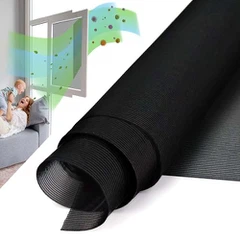
Hey there! As a supplier of Plisse insect screens, I've been getting a lot of questions lately about whether the mesh size of a plisse insect screen affects its performance. Well, you bet it does! In this blog post, I'm going to break it down for you and explain how different mesh sizes can impact the functionality of these nifty screens.
Let's start by talking about what a plisse insect screen is. If you're not familiar, a Plisse Insect Screen is a type of retractable screen that's designed to keep bugs out while still allowing fresh air to flow into your home or office. It's a great solution for those who want to enjoy the outdoors without dealing with pesky mosquitoes, flies, and other insects.
Now, let's get into the nitty-gritty of mesh size. Mesh size refers to the number of openings per square inch in the screen material. The smaller the mesh size, the more openings there are, and the finer the screen. Conversely, a larger mesh size means fewer openings and a coarser screen.
So, how does mesh size affect the performance of a plisse insect screen? Well, there are a few key factors to consider.
Bug Protection
One of the most important functions of an insect screen is to keep bugs out. Naturally, a finer mesh size will do a better job of this than a coarser one. Smaller insects like mosquitoes and gnats can easily slip through larger mesh openings, but they'll have a much harder time getting through a screen with a smaller mesh size.
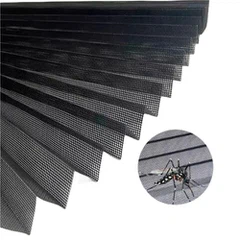
For example, a Mosquito Pleated Mesh with a fine mesh size of around 18x16 (18 openings per inch horizontally and 16 vertically) is excellent at keeping mosquitoes at bay. On the other hand, a screen with a larger mesh size of, say, 12x10 might let some mosquitoes in, especially if they're determined to get inside.
Visibility
Another factor to consider is visibility. A finer mesh size can sometimes reduce visibility through the screen. This is because the smaller openings create more obstruction, making it a bit harder to see clearly through the screen.
If you're using the plisse insect screen in an area where you want a clear view of the outside, like a living room or a balcony, you might want to opt for a slightly larger mesh size. However, keep in mind that you'll need to balance this with the level of bug protection you need.
Airflow
Airflow is also affected by mesh size. A coarser mesh allows more air to pass through the screen, which can be beneficial if you're looking to maximize ventilation in your space. On the other hand, a finer mesh can restrict airflow to some extent.
If you live in a hot and humid climate, you might want to choose a mesh size that offers a good balance between bug protection and airflow. A screen with a medium mesh size, like 16x14, could be a good option in this case.
Durability
The durability of the screen can also be influenced by the mesh size. Finer meshes are generally more delicate and can be more prone to damage, such as tearing or snagging. Coarser meshes, on the other hand, are usually more robust and can withstand more wear and tear.


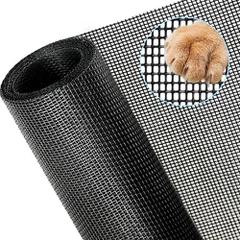
If you have pets or children who might accidentally bump into the screen, a coarser mesh size might be a better choice. However, if you're willing to take extra care of the screen, a finer mesh can still be a great option for its superior bug protection.
Aesthetics
Let's not forget about aesthetics. The mesh size can also affect the overall look of the plisse insect screen. A finer mesh can give the screen a more refined and elegant appearance, while a coarser mesh might look a bit more industrial.
Think about the style of your home or office and choose a mesh size that complements it. You can also consider the color of the screen, as this can also have an impact on the overall aesthetic.
Cost
Finally, cost is an important consideration. Generally, screens with a finer mesh size are more expensive than those with a coarser mesh. This is because the manufacturing process for finer meshes is more complex and requires more precise materials.
If you're on a budget, you might need to compromise on the mesh size. However, keep in mind that investing in a higher-quality screen with a finer mesh can save you money in the long run by providing better bug protection and lasting longer.
So, there you have it! The mesh size of a plisse insect screen definitely affects its performance in several ways. When choosing a screen, it's important to consider your specific needs and priorities, such as bug protection, visibility, airflow, durability, aesthetics, and cost.
If you're in the market for a Plisse Retractable Screen, I'd be more than happy to help you find the perfect mesh size for your situation. Just reach out to me, and we can have a chat about your requirements. Whether you're looking for a screen for your home, office, or any other space, I've got you covered.
So don't hesitate to get in touch if you have any questions or if you're ready to start the purchasing process. I'm here to make sure you get the best plisse insect screen for your needs.
References
- Insect Screen Mesh Sizes and Their Applications. Journal of Home Improvement and Pest Control. 2022.
- The Impact of Mesh Size on Airflow and Bug Protection in Retractable Screens. Environmental Science and Technology Letters. 2023.