

In the quest for sustainable living and energy - efficient solutions, the role of sunscreen blind fabric has come under the spotlight. As a supplier of high - quality sunscreen blind fabric, I've witnessed a growing interest in how these products can impact energy consumption. This blog post aims to explore whether sunscreen blind fabric truly reduces energy consumption.
Understanding Sunscreen Blind Fabric
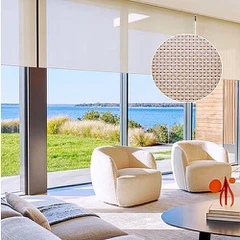
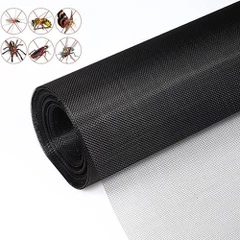
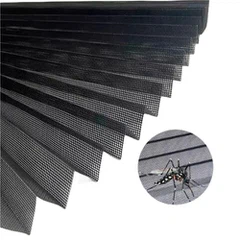
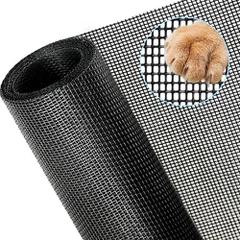
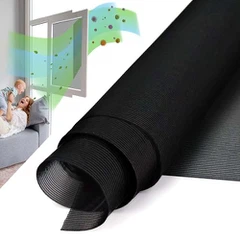
Sunscreen blind fabric, also known as sunshade fabric, is designed to block or filter sunlight. It is commonly used in both residential and commercial buildings, covering windows and exterior facades. There are different types of sunscreen blind fabrics available in the market, each with varying degrees of light - blocking capabilities.
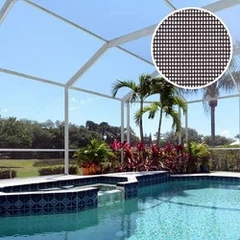
One popular option is the Window Sunscreen. This type of fabric is specifically designed for windows. It can be installed on the interior or exterior of the window, and it effectively reduces the amount of sunlight that enters the building. Another type is the Exterior Sun Control Mesh, which is often used for large - scale commercial buildings or outdoor structures. It provides a more comprehensive sun - blocking solution for the exterior of the building. The Polyester+PVC Sunshade 1% Fabric is a high - performance fabric that combines the durability of polyester with the weather - resistance of PVC, offering excellent sun protection.
The Science Behind Energy Reduction
The main way sunscreen blind fabric reduces energy consumption is by reducing solar heat gain. When sunlight penetrates through windows and into a building, it brings in a significant amount of heat. This heat can cause the indoor temperature to rise, forcing air - conditioning systems to work harder to maintain a comfortable temperature.

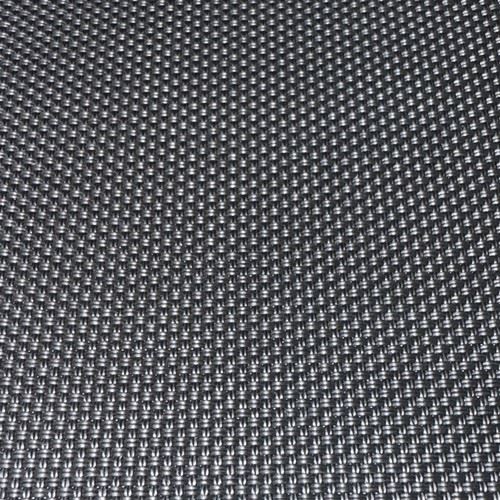
Sunscreen blind fabric acts as a barrier between the sun and the interior of the building. By blocking a portion of the sunlight, it reduces the amount of heat that enters the building. This, in turn, reduces the load on the air - conditioning system. According to a study by the Lawrence Berkeley National Laboratory, shading devices such as sunscreen blind fabric can reduce cooling energy consumption in buildings by up to 30%.
The energy - saving potential of sunscreen blind fabric also depends on its solar reflectance and emissivity. Solar reflectance refers to the ability of the fabric to reflect sunlight, while emissivity refers to its ability to radiate heat. Fabrics with high solar reflectance and low emissivity are more effective at reducing solar heat gain. For example, a fabric with a high solar reflectance will reflect more sunlight back into the atmosphere, rather than absorbing it and transferring it into the building.
Case Studies
Numerous case studies have demonstrated the effectiveness of sunscreen blind fabric in reducing energy consumption. In a commercial office building in Los Angeles, the installation of exterior sun control mesh led to a 25% reduction in cooling costs during the summer months. The mesh was installed on the south - facing facade of the building, which received the most direct sunlight. By blocking the sunlight, the interior temperature of the building remained more stable, and the air - conditioning system did not have to work as hard.
In a residential setting, a homeowner in Miami installed window sunscreen fabric on all the windows of their house. The fabric reduced the amount of sunlight entering the house, and as a result, the homeowner noticed a significant decrease in their monthly electricity bill. They reported that the air - conditioning system ran less frequently, and the indoor temperature was more comfortable, even on hot summer days.
Factors Affecting Energy Savings
While sunscreen blind fabric can be effective at reducing energy consumption, several factors can affect its performance. The orientation of the building is an important factor. Buildings that face south or west receive more direct sunlight, and therefore, sunscreen blind fabric installed on these facades will have a greater impact on energy savings.
The type of fabric also matters. Different fabrics have different light - blocking capabilities, solar reflectance, and emissivity. For example, a fabric with a higher light - blocking percentage will be more effective at reducing solar heat gain. Additionally, the quality of the installation is crucial. Poorly installed fabric may not provide a proper seal, allowing sunlight and heat to enter the building.
Environmental Benefits
In addition to reducing energy consumption, sunscreen blind fabric also has environmental benefits. By reducing the load on air - conditioning systems, it reduces the amount of electricity consumed. This, in turn, reduces the demand for fossil fuels and the associated greenhouse gas emissions. According to the Environmental Protection Agency, the energy used for cooling buildings accounts for a significant portion of total energy consumption in the United States. By using sunscreen blind fabric to reduce cooling energy consumption, we can contribute to a more sustainable environment.
Conclusion
In conclusion, sunscreen blind fabric can indeed reduce energy consumption. Through its ability to block sunlight and reduce solar heat gain, it can significantly lower the load on air - conditioning systems, resulting in energy savings and cost savings. However, the effectiveness of sunscreen blind fabric depends on several factors, including the type of fabric, the orientation of the building, and the quality of the installation.
If you are interested in exploring the potential of sunscreen blind fabric for your building, I encourage you to reach out to me. As a supplier, I can provide you with high - quality products and professional advice on the best fabric for your specific needs. Whether you are a commercial building owner looking to reduce operating costs or a homeowner wanting to make your home more energy - efficient, sunscreen blind fabric is a viable solution. Let's work together to create a more sustainable and energy - efficient future.
References
- Lawrence Berkeley National Laboratory. “Shading Devices for Windows: Energy Savings and Design Considerations.”
- Environmental Protection Agency. “Energy Efficiency in Buildings.”