


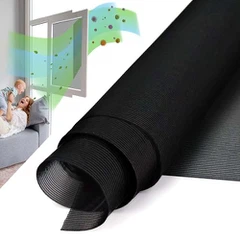
Hey there! I'm a supplier of sunscreen blind fabric, and I often get asked about the environmental impact of the products I sell. It's a hot topic these days, and rightfully so. We're all more conscious about how our choices affect the planet, and sunscreen blind fabric is no exception. So, let's dig into it and see if sunscreen blind fabric has any environmental impact.
First off, let's talk about what sunscreen blind fabric is. Sunscreen blind fabric, like the ones you can check out Sunscreen Blind Fabric, is designed to block out sunlight and reduce heat gain in buildings. It's commonly used in roller blinds, awnings, and other shading applications. This fabric is great because it helps save energy by reducing the need for air - conditioning, which in turn cuts down on electricity consumption. That's a pretty big plus for the environment right there.
One of the key features of sunscreen blind fabric is its ability to filter sunlight. You can even get Customizable Openness Sunscreen 0 - 20% Fabric Sun - Shading Roller Blinds. The openness percentage determines how much sunlight passes through the fabric. A lower openness means more sunlight is blocked, which is better for energy efficiency. By reducing the amount of sunlight entering a building, we're not only saving on energy costs but also decreasing the overall carbon footprint associated with powering air - conditioning units.
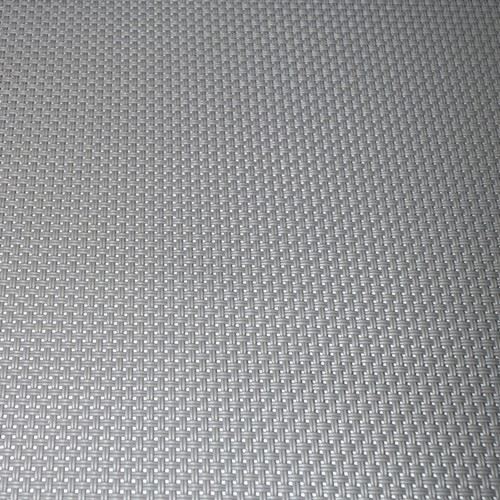
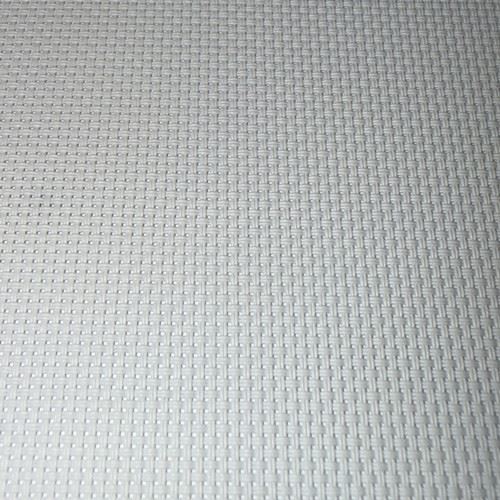
Now, let's look at the materials used in sunscreen blind fabric. Most of these fabrics are made from a combination of synthetic materials like fiberglass and PVC. For example, our 450GSM Fiberglass+PVC Sunshade 5% Fabric is a popular choice. Fiberglass is a strong and durable material that can withstand harsh weather conditions. It's also non - combustible, which makes it a safe option for use in buildings. PVC, on the other hand, is a type of plastic that provides flexibility and water resistance to the fabric.
However, the production of synthetic materials like fiberglass and PVC does have some environmental drawbacks. The manufacturing process often involves the use of chemicals and energy. For instance, the production of PVC requires large amounts of fossil fuels, and some of the chemicals used in its production can be harmful to the environment and human health if not properly managed. During the production of fiberglass, there can be emissions of particulate matter and other pollutants.
But it's not all bad news. Many manufacturers, including us, are taking steps to reduce the environmental impact of the production process. We're using more energy - efficient manufacturing techniques and looking for ways to minimize waste. Some companies are also exploring the use of recycled materials in the production of sunscreen blind fabric. By using recycled fiberglass and PVC, we can reduce the demand for virgin materials and decrease the amount of waste going to landfills.
Another aspect to consider is the lifespan of sunscreen blind fabric. These fabrics are designed to be long - lasting, which is a good thing for the environment. A longer lifespan means less frequent replacement, which in turn reduces the overall environmental impact associated with manufacturing and disposing of the fabric. When the fabric finally reaches the end of its life, it's important to consider proper disposal methods. Some parts of the fabric, like the fiberglass, can potentially be recycled, while the PVC may need to be disposed of in a way that minimizes its environmental impact.
In terms of end - of - life, we're also looking into ways to make the recycling process easier. For example, we're researching how to separate the different components of the fabric more efficiently so that they can be recycled more effectively. This would not only reduce waste but also help conserve resources.
Now, let's talk about the impact of sunscreen blind fabric on wildlife. Since these fabrics are mainly used in urban and residential settings, the direct impact on wildlife is relatively small. However, if the fabric is not properly disposed of, it could end up in natural habitats and pose a risk to animals. For example, small pieces of plastic from the PVC component could be ingested by birds or other wildlife, which could lead to health problems.
To mitigate this risk, we're educating our customers about the importance of proper disposal. We're also working on developing more eco - friendly alternatives to traditional sunscreen blind fabric. These alternatives could be made from more sustainable materials like natural fibers or biodegradable plastics.
So, does sunscreen blind fabric have an environmental impact? The answer is yes, but it's a mixed bag. On one hand, it has significant environmental benefits in terms of energy savings and reducing the need for air - conditioning. On the other hand, the production and disposal of the fabric do have some environmental drawbacks.
But the good news is that the industry is moving in the right direction. With more research and innovation, we're finding ways to reduce the negative environmental impact of sunscreen blind fabric while still enjoying its many benefits.
If you're interested in learning more about our sunscreen blind fabric or have any questions about its environmental impact, feel free to reach out. We're always happy to have a chat and help you make an informed decision. Whether you're a homeowner looking to reduce your energy bills or a business owner aiming to make your building more sustainable, our sunscreen blind fabric could be the perfect solution. So, don't hesitate to contact us for a quote or to discuss your specific needs. Let's work together to create a more sustainable future!
References
- Various industry reports on the production and environmental impact of synthetic materials like fiberglass and PVC.
- Studies on energy savings associated with the use of sunscreen blind fabric in buildings.