


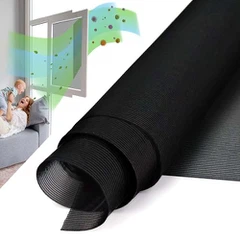
As a supplier of polyester shading mesh, I've encountered numerous inquiries from customers about how this product behaves under different environmental conditions. One question that frequently comes up is whether polyester shading mesh changes its properties in high humidity. In this blog, I'll delve into this topic based on our extensive experience and relevant scientific knowledge.
Understanding Polyester Shading Mesh
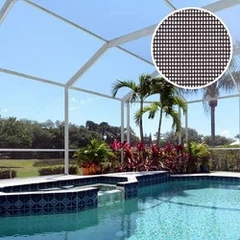
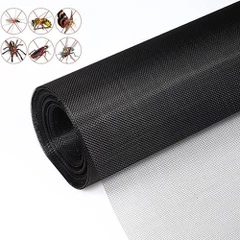
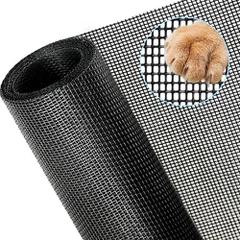
Before discussing the impact of high humidity, it's essential to understand what polyester shading mesh is. Polyester shading mesh is a synthetic fabric made from polyester fibers. It is widely used for various applications, including agricultural shading, architectural sun protection, and window screening. The mesh is designed to block a significant amount of sunlight while allowing air to circulate, which helps to reduce heat and maintain a comfortable environment.
The properties of polyester shading mesh that make it popular include its durability, UV resistance, and relatively low cost. It can withstand harsh weather conditions and has a long service life. Additionally, it comes in different densities and colors to meet various aesthetic and functional requirements. For those interested in customizable options, our Customizable Colors Sunscreen Fabric offers a wide range of choices.
The Nature of High Humidity
High humidity refers to an environment where the air contains a large amount of water vapor. Humidity levels are typically measured as a percentage of the maximum amount of water vapor the air can hold at a given temperature. When the humidity is high, the air feels damp, and there is a greater likelihood of condensation forming on surfaces.
In regions with high humidity, such as tropical areas or during the rainy season, the moisture in the air can have a significant impact on various materials. Different materials react differently to high humidity, and understanding how polyester shading mesh responds is crucial for its proper use and maintenance.
Potential Effects of High Humidity on Polyester Shading Mesh
1. Physical Structure
One of the primary concerns regarding high humidity is its potential to affect the physical structure of the polyester shading mesh. Polyester is a hydrophobic material, which means it repels water. This property generally makes it resistant to the absorption of moisture. However, in extremely high humidity conditions, a small amount of water vapor can be adsorbed onto the surface of the fibers.
When water vapor is adsorbed, it can cause the fibers to swell slightly. This swelling may lead to a minor change in the dimensions of the mesh. In most cases, these changes are reversible, and the mesh will return to its original state once the humidity levels drop. However, if the high humidity persists over an extended period, it could potentially cause more significant structural changes, such as the weakening of the fiber bonds.
2. Mechanical Properties
The mechanical properties of polyester shading mesh, such as its tensile strength and tear resistance, are also important considerations. High humidity can have a complex impact on these properties. On one hand, the adsorbed moisture can act as a lubricant between the fibers, reducing the friction between them. This may lead to a slight decrease in the mesh's stiffness and an increase in its flexibility.
On the other hand, if the high humidity causes the fibers to swell and the mesh to expand, it could put additional stress on the fibers. Over time, this stress could lead to a reduction in the mesh's tensile strength and tear resistance. However, it's important to note that polyester is a relatively strong and resilient material, and significant changes in mechanical properties are unlikely to occur under normal high humidity conditions.
3. Chemical Stability
Polyester is known for its chemical stability, and high humidity generally does not cause significant chemical reactions with the material. However, in the presence of other factors such as pollutants or certain chemicals in the air, high humidity can accelerate corrosion or degradation processes. For example, if the air contains acidic or alkaline substances, the moisture in the air can help these substances react with the polyester fibers more readily.
To mitigate these risks, it's important to ensure that the polyester shading mesh is installed in a clean environment and that it is regularly inspected and maintained.
4. Mold and Mildew Growth
One of the most significant concerns in high humidity environments is the growth of mold and mildew. Mold and mildew thrive in damp conditions, and if the polyester shading mesh remains wet for an extended period, it can provide an ideal breeding ground for these organisms.
Mold and mildew not only look unsightly but can also cause health problems for people exposed to them. They can also damage the polyester fibers over time, reducing the mesh's lifespan. To prevent mold and mildew growth, it's important to ensure proper ventilation and drainage around the mesh. Additionally, some polyester shading meshes are treated with anti - mold and mildew agents during the manufacturing process to enhance their resistance.
Real - World Observations and Testing
Based on our experience as a supplier, we have observed that polyester shading mesh generally performs well in high humidity environments. In many of our installations in tropical regions, the mesh has maintained its functionality and appearance over long periods. However, we also recommend regular inspections to detect any signs of damage or degradation.
We have also conducted some in - house testing to evaluate the impact of high humidity on our products. In these tests, we exposed samples of polyester shading mesh to controlled high humidity conditions for extended periods. The results showed that while there were some minor changes in the mesh's physical and mechanical properties, these changes were within acceptable limits.


Mitigating the Effects of High Humidity
To ensure the long - term performance of polyester shading mesh in high humidity environments, the following measures can be taken:
1. Proper Installation
Proper installation is crucial to allow for adequate air circulation around the mesh. This helps to prevent the accumulation of moisture and reduces the risk of mold and mildew growth. The mesh should be installed with enough space between it and other surfaces to allow air to flow freely.
2. Regular Cleaning
Regular cleaning of the polyester shading mesh can help remove any dirt, dust, or pollutants that may be present on the surface. This reduces the risk of chemical reactions and also helps to maintain the mesh's appearance. Use a mild detergent and water to clean the mesh, and avoid using harsh chemicals that could damage the material.
3. Inspection and Maintenance
Regular inspections are essential to detect any signs of damage or degradation early. Look for signs of mold, mildew, discoloration, or changes in the mesh's structure. If any issues are detected, take appropriate measures to address them promptly.
Applications in High Humidity Environments
Despite the potential challenges posed by high humidity, polyester shading mesh is still a popular choice for many applications in such environments. For example, in agricultural settings, it can be used to provide shade for crops in tropical regions. The mesh's ability to block sunlight while allowing air circulation helps to protect the crops from excessive heat and reduce water evaporation.
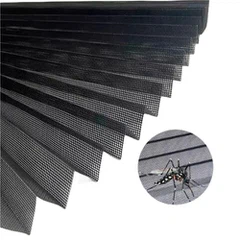
In architectural applications, Window Sunscreen for Blinds made from polyester shading mesh can be used to reduce solar heat gain and glare in buildings. Even in high humidity areas, the mesh can effectively perform these functions with proper installation and maintenance.
Conclusion
In conclusion, while high humidity can have some minor effects on the properties of polyester shading mesh, these effects are generally manageable. Polyester's hydrophobic nature and chemical stability make it relatively resistant to the challenges posed by high humidity. By taking appropriate measures such as proper installation, regular cleaning, and maintenance, the mesh can maintain its functionality and appearance over long periods.
If you're considering using polyester shading mesh for your project, especially in a high humidity environment, we're here to help. Our Polyester Sunscreen Fabric offers high - quality solutions that are designed to withstand various environmental conditions. We welcome you to contact us for more information and to discuss your specific requirements. Whether you're an architect, an agriculturalist, or a homeowner, we can provide you with the right product and advice to meet your needs.
References
- ASTM International. (Year). Standard test methods for evaluating the performance of synthetic fabrics in different environmental conditions.
- Textile Research Journal. (Volume, Issue). Studies on the impact of humidity on the properties of polyester fibers.
- International Journal of Building Science. (Volume, Issue). Applications of shading materials in high - humidity regions.