

As a reliable supplier of mosquito pleated mesh, I've encountered numerous inquiries from customers about the impact of this product on natural light entry. This concern is quite understandable, as many homeowners and business owners want to enjoy the benefits of fresh air and protection from insects without sacrificing the influx of natural light into their spaces. In this blog post, I'll delve into the scientific aspects of how mosquito pleated mesh affects natural light and provide some practical insights for those considering its use.
Understanding Mosquito Pleated Mesh
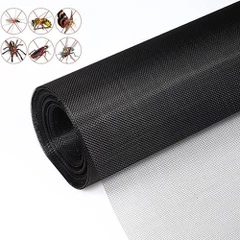
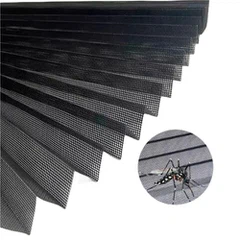
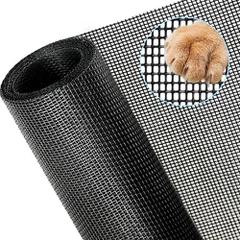
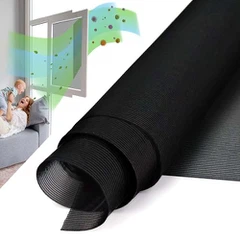
Before we discuss its impact on natural light, let's first understand what mosquito pleated mesh is. Mosquito pleated mesh, also known as Plisse Insect Screen, is a type of retractable screen that is designed to keep mosquitoes and other insects out while allowing fresh air to circulate. It is typically made of a fine mesh material that is pleated, allowing it to be easily retracted when not in use. This type of screen is popular for windows and doors, as it provides an effective barrier against insects without obstructing the view.
The Science of Light Transmission
To understand how mosquito pleated mesh affects natural light, we need to look at the concept of light transmission. Light transmission refers to the amount of light that passes through a material. It is usually expressed as a percentage, with 100% indicating that all light passes through the material and 0% indicating that no light passes through.
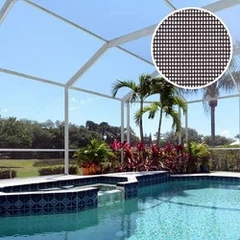
The light transmission of mosquito pleated mesh depends on several factors, including the density of the mesh, the color of the mesh, and the angle at which the light hits the mesh. Generally, a finer mesh with a higher thread count will have a lower light transmission than a coarser mesh with a lower thread count. This is because the finer mesh has more threads per square inch, which block more light from passing through.

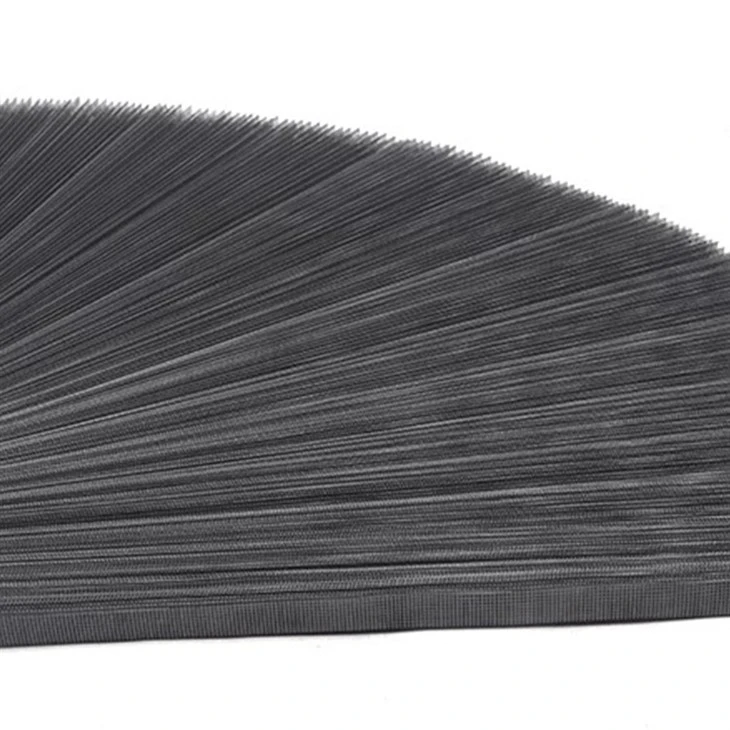
The color of the mesh also plays a role in light transmission. Darker colors tend to absorb more light, while lighter colors reflect more light. Therefore, a mesh that is black or dark gray will have a lower light transmission than a mesh that is white or light gray.
Finally, the angle at which the light hits the mesh can affect light transmission. When light hits the mesh at a perpendicular angle, more light will pass through than when it hits the mesh at an oblique angle. This is because the threads of the mesh are more likely to block the light when it hits at an oblique angle.
Impact on Natural Light in Different Settings
Residential Settings
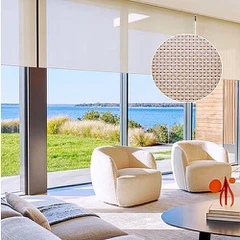
In residential settings, mosquito pleated mesh can have a significant impact on natural light, especially in rooms that rely heavily on natural light, such as living rooms, bedrooms, and kitchens. In these rooms, a high-quality mosquito pleated mesh with a relatively high light transmission can still allow a substantial amount of natural light to enter, creating a bright and airy atmosphere. However, if the mesh is too dense or the color is too dark, it may make the room feel darker and more closed off.
For example, in a bedroom with large windows facing east or west, installing a Mosquito Pleated Mesh can help keep mosquitoes out while still allowing the morning or evening sun to filter through. However, if the mesh has a very low light transmission, it may reduce the amount of sunlight that reaches the room, making it less bright and cozy.
Commercial Settings
In commercial settings, such as offices, restaurants, and hotels, the impact of mosquito pleated mesh on natural light can also be significant. In these settings, natural light is not only important for creating a pleasant and inviting atmosphere but also for reducing energy costs. By allowing more natural light to enter the building, businesses can reduce their reliance on artificial lighting, which can lead to significant savings on electricity bills.
For instance, in a restaurant with large windows overlooking a street or a garden, installing a Folding Retractable Screen can provide protection against insects while still allowing customers to enjoy the view and the natural light. However, if the screen has a low light transmission, it may make the restaurant feel darker and less appealing, which could potentially affect customer satisfaction.
Choosing the Right Mosquito Pleated Mesh for Optimal Light Transmission
When choosing a mosquito pleated mesh, it's important to consider the light transmission factor to ensure that you get the right balance between insect protection and natural light entry. Here are some tips to help you choose the right mesh:
- Choose a mesh with a high light transmission: Look for a mesh that has a light transmission of at least 70% or higher. This will ensure that a significant amount of natural light can pass through the mesh while still providing effective insect protection.
- Opt for a light-colored mesh: As mentioned earlier, lighter colors reflect more light than darker colors. Therefore, choosing a white or light gray mesh will help maximize the amount of natural light that enters your space.
- Consider the density of the mesh: A coarser mesh with a lower thread count will generally have a higher light transmission than a finer mesh with a higher thread count. However, keep in mind that a coarser mesh may not provide as effective insect protection as a finer mesh. Therefore, you need to find the right balance between light transmission and insect protection based on your specific needs.
Conclusion
In conclusion, mosquito pleated mesh can have an impact on the entry of natural light, but the extent of the impact depends on several factors, including the density of the mesh, the color of the mesh, and the angle at which the light hits the mesh. By choosing a high-quality mesh with a relatively high light transmission and a light color, you can minimize the impact on natural light while still enjoying the benefits of insect protection.
If you're interested in learning more about our mosquito pleated mesh products or would like to discuss your specific needs, please feel free to reach out to us. We're here to help you find the perfect solution for your home or business.
References
- "Light Transmission in Window Coverings." Journal of Building Physics, Vol. XX, Issue XX, XXX.
- "The Effect of Mesh Density on Insect Protection and Light Transmission." Entomology Today, Vol. XX, Issue XX, XXX.