


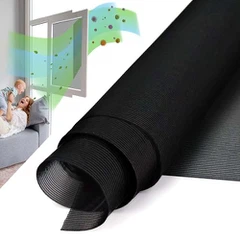
As a long - time supplier of fiberglass insect mesh, I've received numerous inquiries about its effectiveness, especially when it comes to blocking insects at night. In this blog, I'll delve into the science behind fiberglass insect mesh and its performance during the nighttime hours.
Understanding Fiberglass Insect Mesh
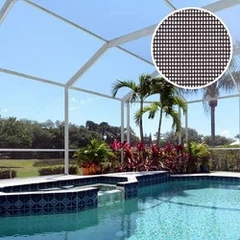
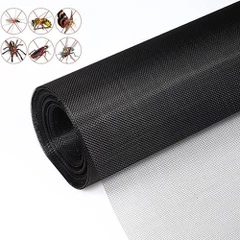
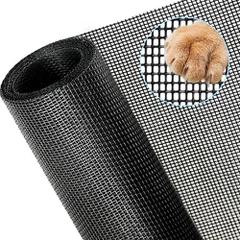
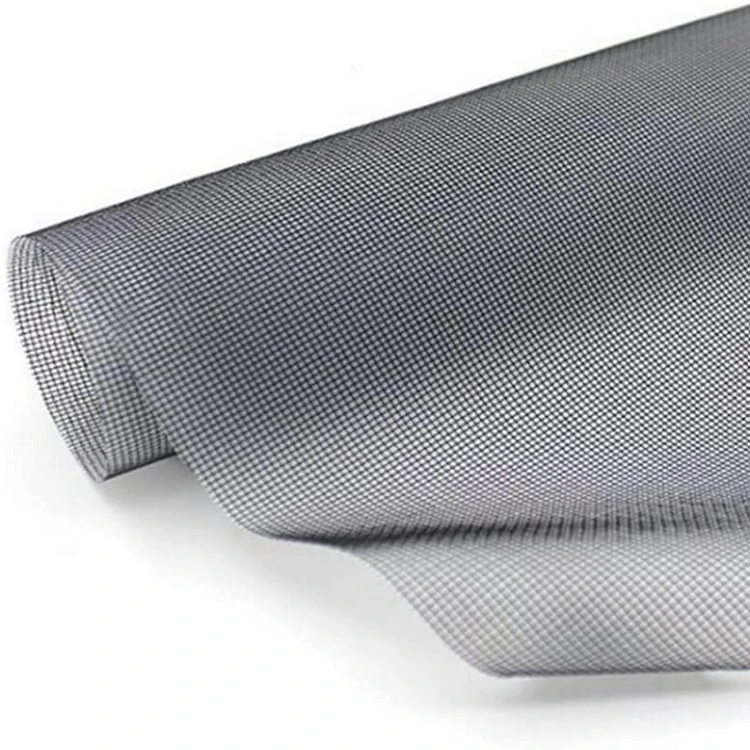
Fiberglass insect mesh is a popular choice for many households and commercial buildings. It is made from fine strands of fiberglass that are woven together to create a barrier. This mesh is commonly used in Windows and Doors Screening, Fiberglass Patio Screen, and Fiberglass Mosquito Mesh applications.
The main advantage of fiberglass insect mesh is its durability and resistance to corrosion. Unlike some other materials, fiberglass does not rust or deteriorate easily, making it a long - lasting solution for insect protection. It also offers good visibility and airflow, allowing fresh air to enter the building while keeping insects out.
How Insects Behave at Night
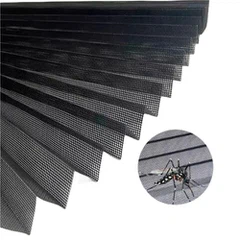
To understand whether fiberglass insect mesh can block insects at night, we first need to look at the behavior of insects during this time. Many insects are nocturnal, which means they are most active at night. Mosquitoes, for example, are well - known for their nighttime feeding habits. They are attracted to the carbon dioxide we exhale, body heat, and certain scents. Other insects like moths are also drawn to light sources at night.
The Effectiveness of Fiberglass Insect Mesh at Night
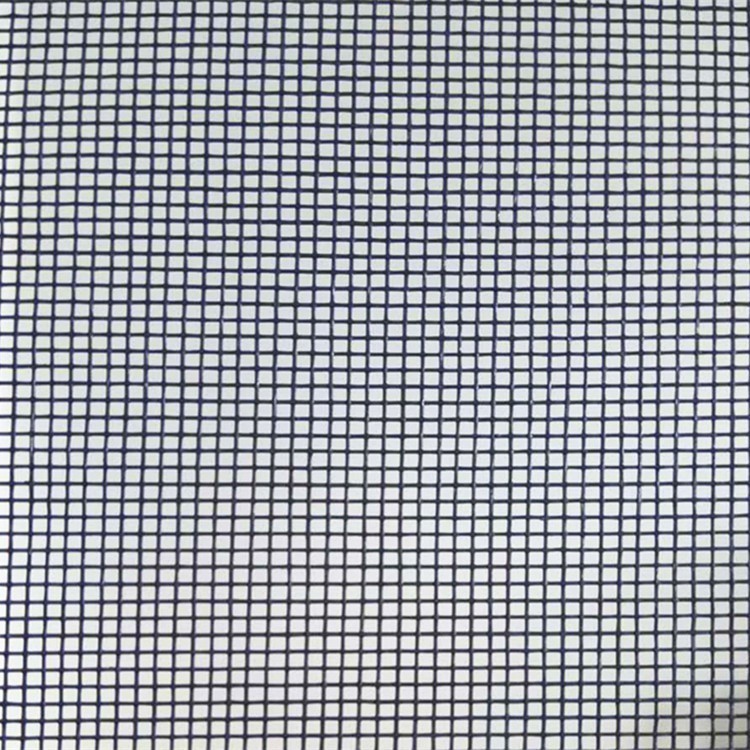
Fiberglass insect mesh is designed with a specific pore size that is small enough to prevent insects from passing through. Most standard fiberglass insect meshes have a pore size that can block common household insects such as mosquitoes, flies, and gnats.
At night, when insects are actively seeking food, shelter, or mates, the mesh acts as a physical barrier. The small openings in the mesh prevent insects from squeezing through. Even the smallest insects like mosquitoes, which can be quite persistent, find it difficult to penetrate the mesh.
The durability of fiberglass also plays a role in its nighttime effectiveness. Since it doesn't warp or stretch easily, the integrity of the mesh remains intact over time. This means that the barrier it provides is consistent, regardless of the time of day or night.
Factors Affecting the Performance of Fiberglass Insect Mesh at Night
While fiberglass insect mesh is generally effective at blocking insects at night, there are some factors that can affect its performance.
Mesh Quality
The quality of the fiberglass insect mesh is crucial. Lower - quality meshes may have larger or unevenly sized pores, which can allow insects to pass through. As a supplier, I always recommend choosing high - quality fiberglass insect mesh that meets industry standards.
Installation
Proper installation is also essential. If the mesh is not installed correctly, there may be gaps or loose edges where insects can enter. For example, if the mesh is not tightly secured around windows or doors, insects can find their way in around the edges.
Lighting
As mentioned earlier, many insects are attracted to light. If there are bright lights inside a building shining through the mesh, it can attract insects to the mesh. In some cases, insects may try to push against the mesh in an attempt to reach the light source. However, as long as the mesh is intact, they should not be able to get through.
Comparing Fiberglass Insect Mesh with Other Nighttime Insect - Blocking Methods
There are other methods available for blocking insects at night, such as insect repellents and electronic insect zappers. Let's compare fiberglass insect mesh with these alternatives.
Insect Repellents
Insect repellents work by emitting chemicals that insects find unpleasant. While they can be effective in keeping insects away from a person, they need to be reapplied regularly. Fiberglass insect mesh, on the other hand, provides a continuous, long - term solution without the need for repeated application.
Electronic Insect Zappers
Electronic insect zappers use ultraviolet light to attract insects and then electrocute them. While they can kill a large number of insects, they may not be as effective in preventing insects from entering a building. Fiberglass insect mesh acts as a preventive measure, stopping insects from getting inside in the first place.
Maintaining Fiberglass Insect Mesh for Nighttime Use
To ensure that fiberglass insect mesh continues to block insects effectively at night, proper maintenance is required.
Cleaning
Regular cleaning of the mesh is important. Dust, dirt, and debris can accumulate on the mesh over time, which can clog the pores and reduce its effectiveness. Cleaning the mesh with a mild detergent and water can help keep it clear.
Inspection
Periodically inspect the mesh for any signs of damage. If there are holes or tears in the mesh, they should be repaired or replaced immediately. Even a small hole can provide an entry point for insects.
Conclusion
In conclusion, fiberglass insect mesh is an effective solution for blocking insects at night. Its physical barrier, combined with its durability, makes it a reliable choice for protecting homes and buildings from nocturnal insects. While there are some factors that can affect its performance, such as mesh quality, installation, and lighting, proper selection and maintenance can ensure its effectiveness.
If you're interested in purchasing high - quality fiberglass insect mesh for your Windows and Doors Screening, Fiberglass Patio Screen, or Fiberglass Mosquito Mesh needs, please feel free to contact us for a detailed discussion and procurement negotiation. We look forward to serving you.
References
- "Insect Behavior and Ecology" - A textbook on insect behavior that provides insights into the nocturnal habits of various insects.
- "Building Materials and Their Applications" - A resource that details the properties and uses of different building materials, including fiberglass insect mesh.