

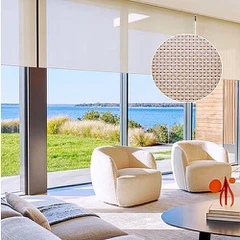
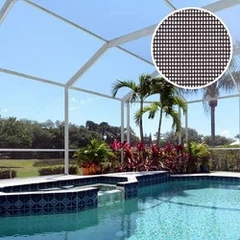
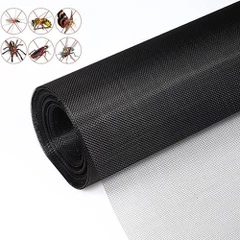
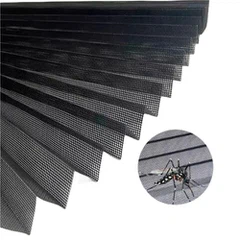
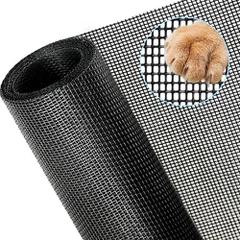
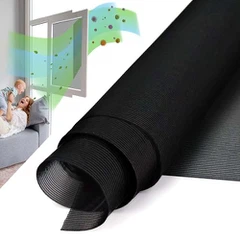
In modern living spaces, televisions have become the centerpiece of entertainment, providing us with a rich and immersive viewing experience. However, one common issue that many viewers face is glare on the TV screen. Glare can significantly reduce the quality of the viewing experience, making it difficult to see details, colors, and sometimes even making the screen unreadable. This has led many to look for solutions, and one option that has gained traction is using shading nets for blinds. As a supplier of shading nets for blinds, I'm here to explore whether these products can effectively reduce glare on TV screens.
Understanding Glare on TV Screens
Before delving into the effectiveness of shading nets, it's crucial to understand what causes glare on TV screens. Glare occurs when light from a source, such as sunlight or artificial room lighting, reflects off the surface of the TV screen. This reflection creates a bright, washed - out area on the screen, obscuring the image. There are two main types of glare: direct glare, which happens when light shines directly onto the screen, and indirect glare, which is the result of light reflecting off nearby surfaces before hitting the screen.
Sunlight is often the most significant culprit, especially in rooms with large windows facing the sun. The intensity of sunlight can cause extreme glare, making it nearly impossible to watch TV during certain times of the day. Artificial lighting, such as ceiling lights or lamps, can also contribute to glare, especially if they are positioned in a way that their light reflects off the screen.
How Shading Nets for Blinds Work
Shading nets for blinds are designed to block or filter out a certain percentage of sunlight and other light sources. They are typically made from materials such as fiberglass, polyester, and PVC, which have different properties that affect their light - blocking capabilities.
These nets work by creating a physical barrier between the light source and the interior of the room. When sunlight passes through the net, a portion of it is absorbed, reflected, or diffused by the material. This results in a reduction of the amount of light that enters the room and reaches the TV screen.
The percentage of light blocked is an important factor. For example, a 3% shade fabric may allow only 3% of the sunlight to pass through, while blocking the remaining 97%. This high level of light blockage can be very effective in reducing glare. Similarly, a 5% shade fabric blocks 95% of the light.
The Effectiveness of Shading Nets in Reducing Glare
There is scientific and practical evidence to suggest that shading nets for blinds can significantly reduce glare on TV screens. When a shading net is installed on a window, it immediately reduces the amount of direct sunlight that hits the TV screen. This is particularly important during peak sunlight hours, when the sun's rays are the strongest.
The diffusing properties of shading nets also play a role. Instead of allowing direct, harsh sunlight to enter the room, the net scatters the light, creating a more even and softer illumination. This diffused light is less likely to cause glare on the TV screen.
In addition to sunlight, shading nets can also help with artificial light. If a room has bright ceiling lights or lamps that are causing glare, the net can be adjusted to block or redirect the light, reducing its impact on the screen.
Different Types of Shading Net Fabrics and Their Impact on Glare
As a shading net supplier, I offer a variety of fabrics, each with its own unique properties and light - blocking capabilities.
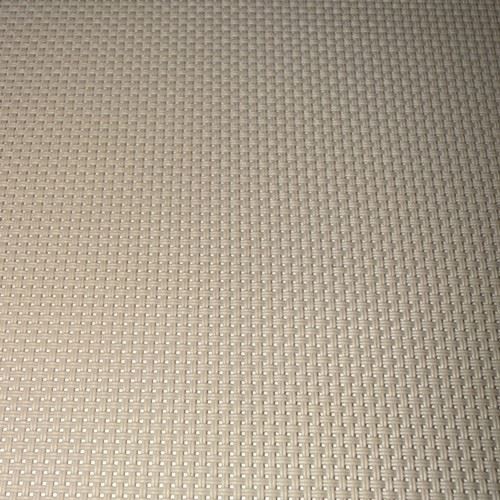
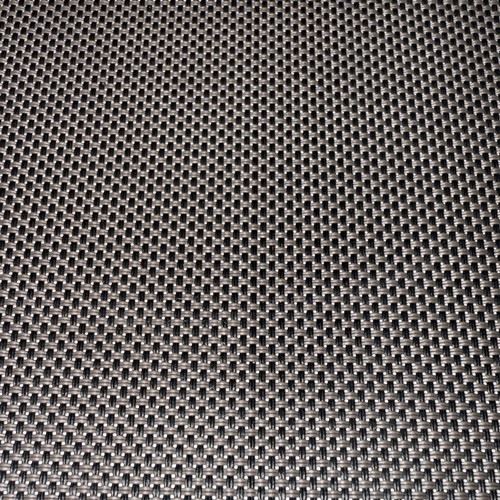
450GSM Fiberglass+PVC Sunshade 5% Fabric
The 450GSM Fiberglass+PVC Sunshade 5% Fabric is a popular choice. The combination of fiberglass and PVC makes it durable and strong. The 5% shade rating means that it blocks a substantial amount of sunlight. This fabric is excellent for rooms with a lot of sunlight exposure. It reduces the glare on TV screens by minimizing the direct light that enters the room, creating a more comfortable viewing environment.
Fiberglass+PVC Sunshade 3% Fabric
The Fiberglass+PVC Sunshade 3% Fabric offers an even higher level of light blockage. With a 3% shade rating, it blocks 97% of the sunlight, making it ideal for environments where glare is a severe problem. This fabric is very effective in reducing both direct and indirect glare, as it filters out most of the light that could potentially reflect off the TV screen.
Polyester+PVC 420 GSM Sunshade 5% Fabric
Another option is the Polyester+PVC 420 GSM Sunshade 5% Fabric. Polyester provides flexibility and lightweight properties, while PVC adds durability and weather resistance. This fabric diffuses the light effectively, reducing glare and creating a soft, comfortable atmosphere for TV viewing.
Other Benefits of Shading Nets for Blinds
Aside from reducing glare on TV screens, shading nets for blinds offer several other benefits.
Energy Efficiency: By blocking sunlight, shading nets can help reduce the amount of heat that enters a room. This can lead to lower cooling costs, especially during the summer months. A cooler room means that air - conditioning systems don't have to work as hard, resulting in energy savings.
UV Protection: Shading nets can block a significant amount of ultraviolet (UV) rays. UV rays can cause damage to furniture, flooring, and other interior items over time. By reducing UV exposure, the nets help protect the interior of the room and extend the lifespan of these items.
Privacy: While still allowing some natural light to enter, shading nets provide a degree of privacy. They obscure the view from the outside, making it more difficult for people to see into the room.
Considerations When Choosing Shading Nets
When selecting a shading net for reducing glare on TV screens, several factors should be considered.
Light - Blocking Percentage: As mentioned earlier, the percentage of light blocked is an important consideration. If you have a room with a lot of sunlight, a lower shade percentage (e.g., 3%) may be more appropriate. For rooms with less sunlight or where you still want some natural light to enter, a 5% shade fabric could be a good choice.
Color and Aesthetics: Shading nets come in a variety of colors. You should choose a color that blends well with the interior decor of your room. A color that matches the existing blinds or curtains can enhance the overall appearance of the space.
Location of the TV and Windows: The position of the TV relative to the windows is crucial. If the TV is directly facing a window, you may need a more effective shading solution. You can also consider the orientation of the windows. South - facing windows typically receive the most sunlight, so they may require stronger shading nets.
Conclusion
In conclusion, shading nets for blinds can be an effective solution for reducing glare on TV screens. They work by blocking and diffusing sunlight and other light sources, creating a more comfortable and glare - free viewing environment. The different types of fabrics, such as the 450GSM Fiberglass+PVC Sunshade 5% Fabric, Fiberglass+PVC Sunshade 3% Fabric, and Polyester+PVC 420 GSM Sunshade 5% Fabric, offer a range of light - blocking capabilities to suit different needs.
If you're experiencing glare on your TV screen and are looking for a practical and cost - effective solution, consider investing in shading nets for your blinds. As a supplier, I'm committed to providing high - quality shading net products that can help you enhance your TV viewing experience. If you're interested in learning more about our products or would like to discuss your specific requirements, please feel free to reach out. We're here to assist you in finding the perfect shading net for your needs.
References
- "Lighting and Visual Comfort in the Home" by the Illuminating Engineering Society.
- "Energy - Efficient Window Treatments" by the U.S. Department of Energy.