

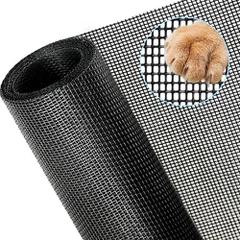
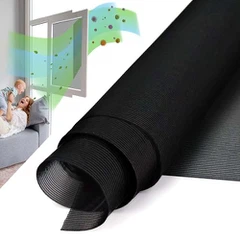
Hey there! As a supplier of pollen screens, I often get asked a bunch of questions about what these nifty little screens can and can't do. One question that pops up quite a bit is, "Do pollen screens block pet dander?" Let's dig into this topic and find out the answer.
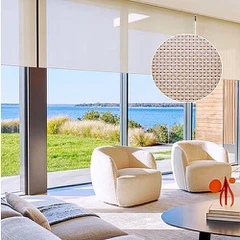
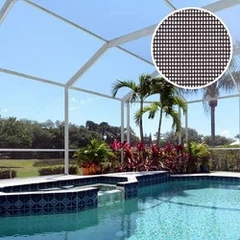
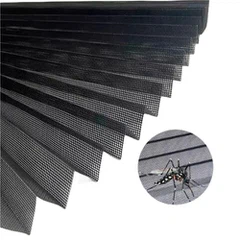
First off, let's understand what pollen screens are. Pollen screens are designed to keep pollen out of your home. They're like a protective shield for your windows. When the pollen count is high outside, these screens act as a barrier, preventing the tiny pollen particles from floating into your living space. You can check out our Pollen Net for Windows and Pollen and Dust Window Screens to see the different options we offer.
Now, let's talk about pet dander. Pet dander consists of tiny, often microscopic, flecks of skin shed by cats, dogs, birds, and other animals with fur or feathers. These dander particles can cause allergic reactions in some people, leading to symptoms like sneezing, itching, and watery eyes.
So, can pollen screens block pet dander? The short answer is, it depends. Pollen screens are primarily engineered to block pollen, which typically ranges in size from about 10 to 100 micrometers. Pet dander, on the other hand, can vary in size. Some of the larger dander particles can be similar in size to pollen, while others can be much smaller.
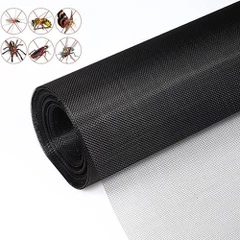
Most standard pollen screens have a mesh size that is effective at catching larger particles. If the pet dander is on the larger side, there's a good chance the pollen screen will block it. Our 16×48 Pollen Screen Mesh has a mesh that is designed to trap a decent amount of larger particles, including some pet dander.
However, smaller pet dander particles can be trickier. These tiny particles can easily slip through the mesh of a standard pollen screen. But don't worry, we're not out of options. There are high - efficiency pollen screens that have a finer mesh. These finer - meshed screens can catch a greater percentage of smaller pet dander particles, providing better protection for those with pet allergies.
Let's look at the science behind it. The effectiveness of a pollen screen in blocking pet dander is related to the concept of filtration efficiency. Filtration efficiency is determined by factors such as the mesh size, the material of the screen, and the air flow through the screen. A screen with a smaller mesh size will generally have a higher filtration efficiency for smaller particles.
For example, if a pollen screen has a mesh size of 20 micrometers, it will be more likely to block pet dander particles that are 20 micrometers or larger. But if the dander particles are only 5 micrometers, they might pass through. The material of the screen also matters. Some materials have electrostatic properties that can attract and hold onto particles, increasing the screen's ability to block pet dander.
In real - world scenarios, the placement of the pollen screen also plays a role. If the screen is installed correctly and there are no gaps around the edges, it will work more effectively. A poorly installed screen can allow pet dander to bypass the screen and enter your home.
Another thing to consider is the amount of pet dander in the air. If you have multiple pets that shed a lot, there will be a higher concentration of dander in the air. In this case, even a high - efficiency pollen screen might not be able to block all of it. But it will still significantly reduce the amount of dander that enters your home.
Now, let's talk about the benefits of using pollen screens to block pet dander. For people with pet allergies, having a pollen screen on their windows can make a big difference. It can reduce the amount of allergens in the air, leading to fewer allergy symptoms. This means less sneezing, itching, and discomfort.
It can also improve the overall air quality in your home. Cleaner air is better for everyone's health, not just those with allergies. And let's not forget about the convenience. Pollen screens are relatively easy to install and maintain. You can simply remove them and clean them periodically to keep them working effectively.
If you're thinking about getting a pollen screen to block pet dander, here are some tips. First, assess your needs. Consider the size of your pets, how much they shed, and the severity of your allergies. This will help you determine the type of pollen screen you need.
Second, choose a high - quality screen. Look for screens that are made from durable materials and have a good reputation for blocking particles. Our company offers a range of pollen screens that are designed to meet different needs.
Third, make sure to install the screen correctly. Follow the installation instructions carefully to ensure a tight fit. You can also seal any gaps around the edges with weatherstripping to prevent dander from getting in.

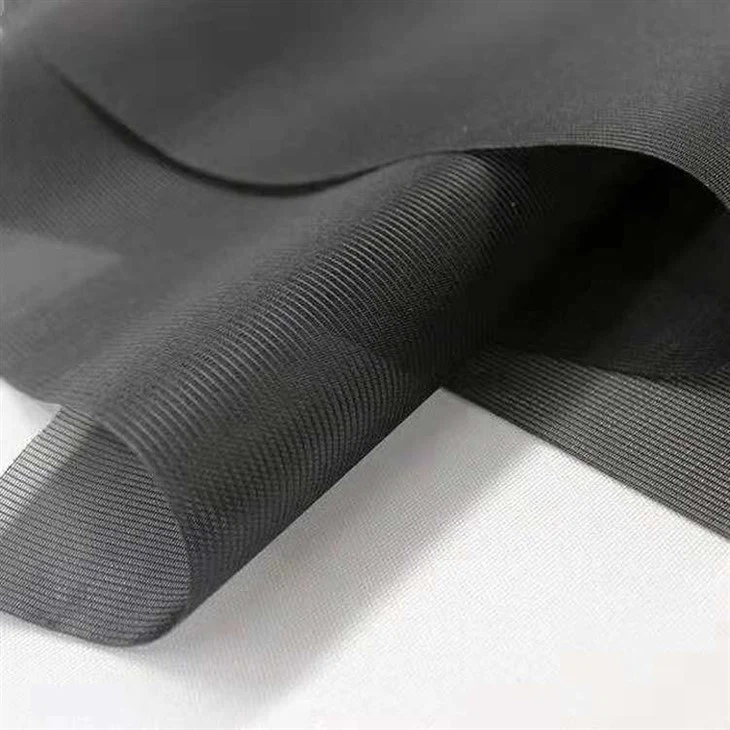
In conclusion, while pollen screens are primarily designed to block pollen, they can also be effective at blocking pet dander, especially larger particles. High - efficiency pollen screens with finer meshes can provide even better protection against smaller dander particles. If you're dealing with pet allergies and want to improve the air quality in your home, a pollen screen is definitely worth considering.
If you're interested in purchasing a pollen screen for your home, whether it's to block pollen, pet dander, or both, we'd love to talk to you. We can help you choose the right screen for your specific needs. Just reach out to us and we'll start the conversation about finding the perfect solution for you.
References
- Environmental Protection Agency. "Indoor Air Quality and Pets."
- Journal of Allergy and Clinical Immunology. "Allergen Sources and Exposure in the Indoor Environment."