


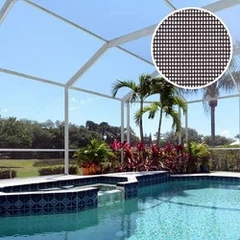
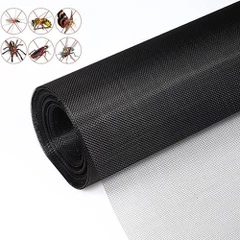
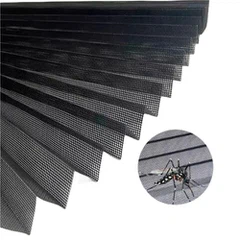
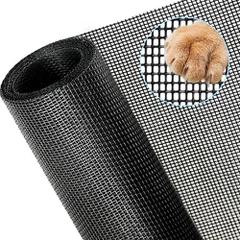
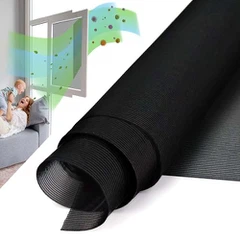
As a supplier of pollen guard screens, I often encounter a frequently asked question from customers: "Do pollen guard screens need to be replaced seasonally?" This question is not only crucial for consumers looking to maintain a pollen - free environment but also for understanding the long - term value of our products. In this blog, I'll delve into the factors that influence the replacement frequency of pollen guard screens and provide insights to help you make an informed decision.
Understanding Pollen Guard Screens
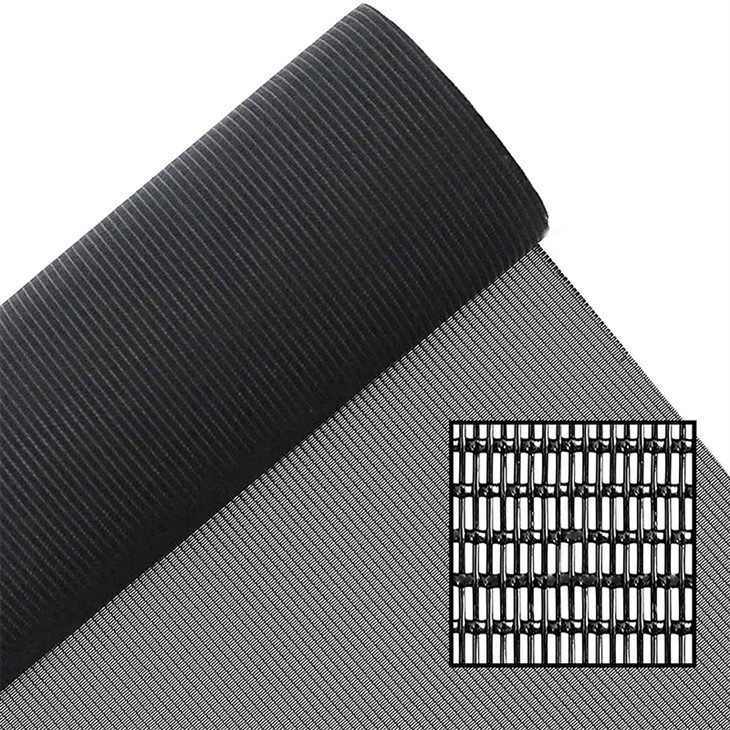
Pollen guard screens are designed to block pollen particles from entering indoor spaces through windows and vents. These screens are typically made of fine - mesh materials that can capture pollen grains while still allowing air to pass through, ensuring proper ventilation. Our Pollen Proof Window Screen and 16×48 Pollen Screen Mesh are prime examples of such products, engineered with high - quality materials to offer effective pollen protection.
Factors Affecting Replacement Frequency
Pollen Concentration
One of the most significant factors determining whether you need to replace your pollen guard screen seasonally is the local pollen concentration. Areas with high pollen counts, such as regions abundant in trees, grasses, or flowers, will subject the screens to a greater amount of pollen accumulation. During peak pollen seasons, which can vary depending on the type of plants in the area, the screens may become clogged more quickly. For instance, in spring, tree pollen is prevalent, while grass pollen is more common in summer. If you live in an area with a long and intense pollen season, you may find that the screen's efficiency decreases as it gets filled with pollen. In such cases, seasonal replacement might be necessary to maintain optimal performance.
Environmental Conditions
The environment in which the pollen guard screen is installed also plays a role. Harsh weather conditions, such as heavy rain, strong winds, or extreme temperatures, can damage the screen over time. Rain can wash away some of the pollen, but it can also cause the screen to become wet and potentially develop mold if not properly dried. Strong winds may cause the screen to tear or loosen from its frame. Additionally, extreme heat or cold can cause the materials of the screen to expand or contract, leading to wear and tear. If your area experiences severe weather conditions, you may need to inspect the screen more frequently and consider seasonal replacement to ensure it remains in good condition.
Screen Quality and Maintenance
The quality of the pollen guard screen itself is a determining factor. Higher - quality screens are often made of more durable materials that can withstand the elements and repeated exposure to pollen. Our Pollen Mesh for Windows is crafted with premium materials, which are designed to have a longer lifespan. However, regardless of the screen's quality, regular maintenance is essential. Cleaning the screen periodically can significantly extend its usability. Simple cleaning methods, such as gently vacuuming the screen or rinsing it with water, can remove accumulated pollen and debris. If you maintain your screen well, you may not need to replace it seasonally.
Benefits of Seasonal Replacement
Optimal Pollen Protection
Replacing the pollen guard screen seasonally ensures that you always have a fresh and unclogged screen in place. A clean screen can effectively block pollen particles, reducing the amount of pollen that enters your home. This is especially important for individuals who suffer from pollen allergies. By maintaining a high - efficiency screen, you can create a more comfortable and healthy indoor environment, minimizing allergy symptoms.
Improved Airflow
As a screen becomes clogged with pollen, it restricts the airflow through the window. This can lead to poor ventilation in your home, causing stuffiness and potentially increasing humidity levels. Seasonal replacement of the screen restores proper airflow, allowing fresh air to circulate freely. Good ventilation is essential for maintaining indoor air quality and preventing the growth of mold and mildew.
Drawbacks of Seasonal Replacement
Cost
One of the main drawbacks of seasonal replacement is the cost. Purchasing a new pollen guard screen every season can add up over time. However, it's important to weigh this cost against the benefits. If you consider the long - term savings on allergy medications and the improved quality of life, the cost of seasonal replacement may be justified.
Environmental Impact
Frequent replacement of the screens also has an environmental impact. The production and disposal of these screens contribute to waste. As a responsible supplier, we are constantly working on developing more sustainable products and encouraging customers to recycle the old screens whenever possible.
When Seasonal Replacement May Not Be Necessary
If you live in an area with a low pollen count throughout the year, you may not need to replace your pollen guard screen seasonally. Additionally, if you take good care of your screen through regular cleaning and maintenance, it can last longer. Some high - quality screens are designed to be reusable for multiple seasons, even in areas with moderate pollen levels.

Conclusion
The decision of whether to replace pollen guard screens seasonally depends on a variety of factors, including pollen concentration, environmental conditions, screen quality, and maintenance. While seasonal replacement offers benefits such as optimal pollen protection and improved airflow, it also comes with costs and environmental considerations. As a supplier, we recommend that you assess your specific situation carefully. Regularly inspect your screen for signs of damage or clogging, and clean it as needed. If you live in an area with high pollen counts or harsh environmental conditions, seasonal replacement may be a good option.
If you're interested in learning more about our pollen guard screens or have any questions regarding their replacement frequency, we're here to help. Our team of experts can provide personalized advice based on your location and specific needs. Contact us to start a conversation about how our products can best serve you and to discuss potential procurement opportunities. We look forward to working with you to create a pollen - free indoor environment.
References
- Smith, J. (2020). "The Impact of Pollen on Indoor Air Quality." Journal of Environmental Health, 45(2), 123 - 135.
- Johnson, A. (2021). "Materials and Durability of Window Screens in Different Climates." Building Materials Research, 32(4), 234 - 246.