


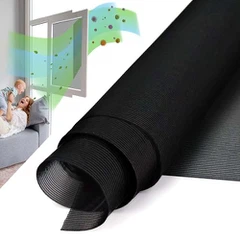
Hey there! As a supplier of pollen guard screens, I often get asked a bunch of questions about our products. One of the most common ones is, "Do pollen guard screens block bacteria?" Today, I'm gonna dive deep into this topic and share some insights with you.
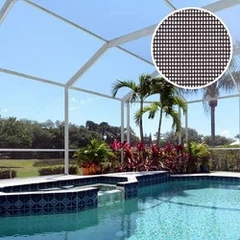
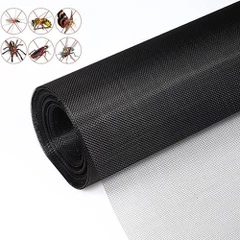
First off, let's understand what pollen guard screens are. These screens are designed to block pollen from entering your home. They're a great solution for allergy sufferers, as pollen is a major allergen that can cause all sorts of discomfort, like sneezing, itching, and watery eyes. Our 16×48 Pollen Screen Mesh is a popular choice among customers. It's made of high - quality materials and has a fine mesh that can effectively trap pollen particles.
Now, onto the big question: can they block bacteria? To answer this, we need to look at the size of bacteria and how pollen guard screens work. Bacteria come in different sizes, but generally, they range from about 0.2 to 2 micrometers in diameter. Pollen particles, on the other hand, are much larger, usually ranging from 10 to 100 micrometers.
Our pollen guard screens are engineered to have a mesh size that can stop pollen particles. The fine mesh acts as a physical barrier, preventing pollen from passing through. But when it comes to bacteria, it's a bit more complicated.
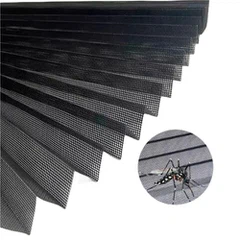
Some of our Window Screens for Allergy Sufferers have a relatively tight mesh. While this can block some of the larger bacteria, it's not guaranteed to block all of them. Smaller bacteria can potentially slip through the gaps in the mesh. However, it's important to note that even if the screen doesn't block 100% of the bacteria, it can still reduce the amount that enters your home.
Let's talk about how the effectiveness of pollen guard screens against bacteria can be affected. The air flow plays a big role. If there's a strong wind blowing, it can force bacteria through the screen more easily. Also, the condition of the screen matters. If the screen is dirty or damaged, it might not work as well in blocking either pollen or bacteria.
Another factor is the type of bacteria. Some bacteria are more likely to be carried by larger particles, like dust or pollen. In these cases, our Pollen Proof Window Screen can indirectly block these bacteria by catching the larger particles they're attached to.
But don't think that our screens are completely useless against bacteria. They can still offer some level of protection. For example, in areas where there's a lot of pollen and other airborne particles, the screen can trap many of these particles, which might be carrying bacteria. This can reduce the overall amount of bacteria in the air that enters your home.
Now, if you're thinking about getting a pollen guard screen, there are a few things to consider. First, you need to choose the right mesh size. If you're really concerned about bacteria, you might want to go for a screen with a tighter mesh. However, keep in mind that a very tight mesh can also restrict air flow, which might affect the ventilation in your home.
You also need to maintain your screen properly. Regular cleaning can help keep the mesh clear and ensure that it continues to work effectively. You can use a soft brush or a vacuum cleaner to remove any dirt or debris from the screen.
So, to sum it up, while pollen guard screens are primarily designed to block pollen, they can offer some protection against bacteria. They might not block every single bacterium, but they can definitely reduce the amount that enters your home. This can be especially beneficial for people with allergies or weakened immune systems.


If you're interested in learning more about our pollen guard screens or have any questions about how they can protect against bacteria, feel free to reach out. We're always here to help you make the best choice for your home. Whether you're looking for a screen for a small window or a large patio door, we've got a wide range of options to suit your needs. Let's have a chat and see how we can improve the air quality in your home with our pollen guard screens.
References:
- Scientific research on particle filtration and air quality.
- Industry standards for pollen and allergen blocking in window screens.