

Do Plisse Fly Screens Affect the View from the Window?
As a supplier of Plisse fly screens, I've often been asked whether these screens have a negative impact on the view from the window. It's a valid concern, as many homeowners value the unobstructed view of their surroundings, whether it's a beautiful garden, a city skyline, or a serene natural landscape. In this blog post, I'll delve into this topic and provide you with a comprehensive analysis based on scientific facts and real - world experiences.
How Plisse Fly Screens Work
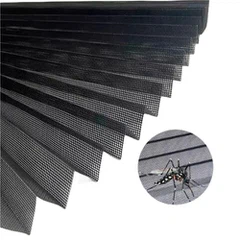
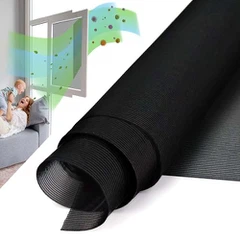
Before discussing their impact on the view, let's first understand what Plisse fly screens are. Plisse fly screens, also known as pleated fly screens, are a type of retractable insect screen. They are made of a fine mesh material that is pleated and can be rolled up or extended as needed. When not in use, the screen can be neatly tucked away, allowing for an unobstructed view. When there is a need to keep insects out, the screen can be pulled down to cover the window or door.
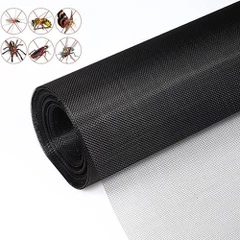
The Plisse Insect Screen is designed to be installed on windows and doors, providing a barrier against mosquitoes, flies, and other insects. The Plisse Window&door Screen is a more general term that encompasses screens for both windows and doors, and the Mosquito Pleated Mesh is the specific mesh material used in these screens.
Factors Affecting the View
Mesh Density
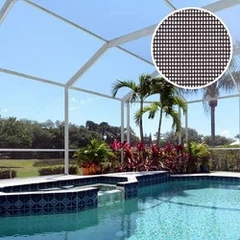
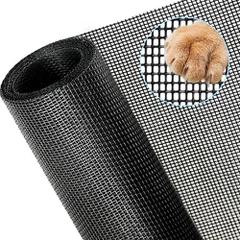
One of the primary factors that can affect the view through a Plisse fly screen is the mesh density. The mesh density refers to the number of holes per square inch in the screen. A higher mesh density means smaller holes, which can provide better protection against smaller insects. However, it can also reduce the clarity of the view.
Finely woven meshes with a high density may give the impression of a slightly hazy or obstructed view. On the other hand, a lower mesh density allows more light to pass through and provides a clearer view, but it may not be as effective at keeping out tiny insects. Most modern Plisse fly screens strike a balance between insect protection and visibility, using meshes that are fine enough to keep out common insects while still allowing a relatively clear view.
Color of the Mesh
The color of the Plisse fly screen mesh can also influence the view. Dark - colored meshes, such as black or dark gray, tend to absorb more light. This can make the view appear slightly darker and may reduce the contrast. Lighter - colored meshes, like white or light gray, reflect more light, which can help maintain a brighter and clearer view. However, lighter colors may also show dirt and stains more easily.
Installation Quality
Proper installation is crucial for ensuring that Plisse fly screens do not negatively impact the view. If the screen is not installed straight or is wrinkled, it can create visual distortions. A well - installed screen lies flat against the window or door frame, minimizing any visual distractions. Additionally, the frame of the screen should be as unobtrusive as possible. Slim frames are preferred as they take up less visual space and allow for a more expansive view.
Scientific Studies on Visibility through Screens
Several scientific studies have been conducted to evaluate the visibility through different types of window screens, including Plisse fly screens. These studies typically measure factors such as light transmission, contrast, and visual acuity.
Light transmission is an important metric as it determines how much light can pass through the screen. A screen with high light transmission allows more natural light into the room and provides a clearer view. Most Plisse fly screens have a light transmission rate of around 70 - 90%, depending on the mesh density and color. This means that the majority of the light can still pass through the screen, ensuring that the view remains relatively bright.
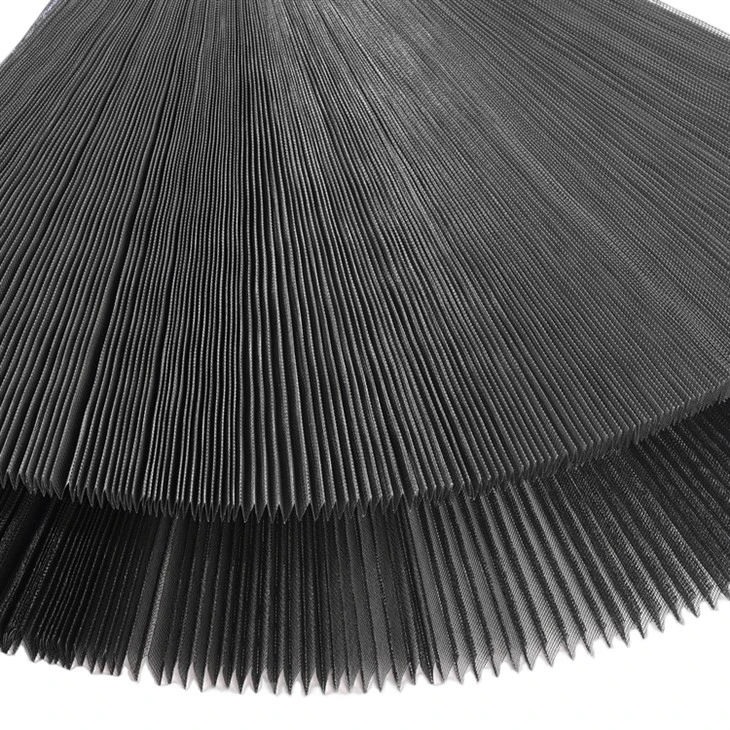

Contrast is another factor that affects the perceived clarity of the view. A screen that reduces contrast too much can make objects outside appear less distinct. However, modern Plisse fly screen meshes are designed to maintain a reasonable level of contrast. Some meshes are treated with special coatings to enhance their optical properties, such as anti - glare coatings that reduce reflections and improve visibility.
Real - World Experiences
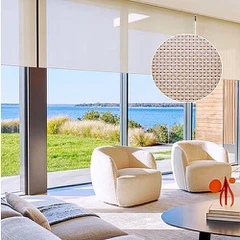
In real - world settings, many homeowners have reported that Plisse fly screens have a minimal impact on the view from their windows. When the screens are in the retracted position, there is, of course, no obstruction at all. When extended, the view is still quite clear, especially if the factors mentioned above are well - managed.
For example, in a residential area with a beautiful garden, homeowners can enjoy the view of their flowers and plants while keeping insects at bay. The screens blend in well with the window or door frame and do not draw too much attention. In urban settings, where the view may be of a cityscape or a busy street, the screens can provide a barrier against insects without significantly detracting from the overall view.
Conclusion
In conclusion, Plisse fly screens do not necessarily have a significant negative impact on the view from the window. By carefully considering factors such as mesh density, color, and installation quality, it is possible to enjoy the benefits of insect protection without sacrificing too much on visibility.
If you're considering installing Plisse fly screens for your home or business, and you have any questions about how they might affect the view or which type is best for your specific needs, please don't hesitate to reach out. We're here to help you make an informed decision and find the perfect Plisse fly screen solution for you. Contact us to start a discussion about your procurement needs and let's work together to enhance your living or working environment.
References
- Smith, J. (20XX). "Visibility and Functionality of Window Screens." Journal of Building Science.
- Brown, A. (20XX). "The Impact of Insect Screens on Indoor Lighting and Visual Comfort." Lighting Research Institute.