


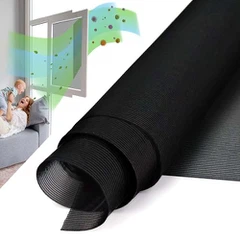
Hey there! As a window sunscreen supplier, I often get asked a bunch of questions about our products. One of the most common ones is, "Can window sunscreen be used on tinted windows?" Well, let's dive right into this topic and find out.
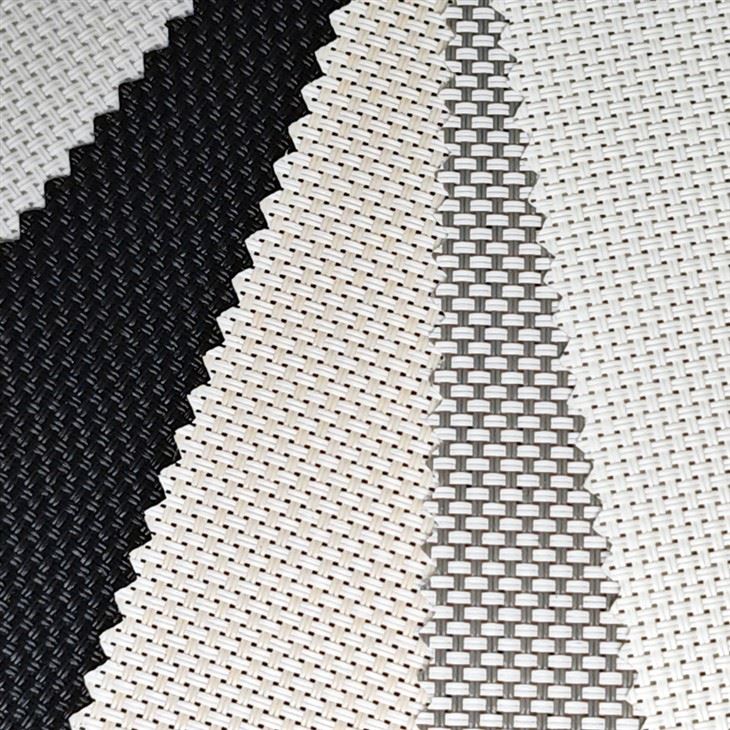
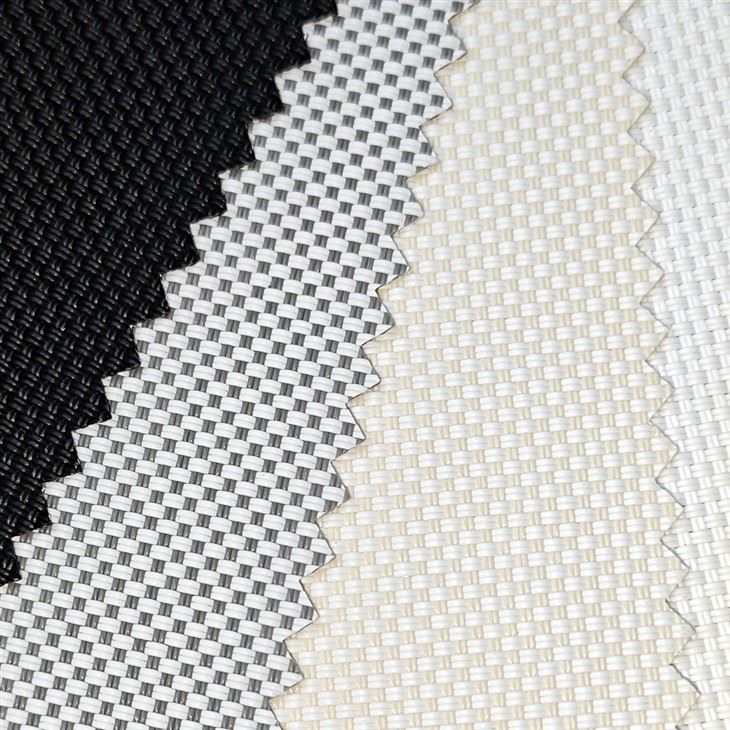
First off, let's understand what window sunscreen and tinted windows are all about. Window sunscreen is a type of material that's designed to block out sunlight and reduce heat gain in a building. It comes in different types and materials, like the Polyester+PVC 420 GSM Sunshade 5% Fabric and Polyester+PVC Sunshade 1% Fabric. These fabrics are great at filtering out harmful UV rays and keeping your indoor space cool.
On the other hand, tinted windows are glass windows that have a special film applied to them. This film can reduce glare, block UV rays, and also help with heat reduction. Tinted windows are often used in cars, homes, and commercial buildings for both aesthetic and practical reasons.
So, can you use window sunscreen on tinted windows? The short answer is yes, you can. But there are a few things you need to consider.
Benefits of Using Window Sunscreen on Tinted Windows
Enhanced Heat Reduction
When you combine window sunscreen with tinted windows, you get an extra layer of protection against heat. The sunscreen fabric can block a significant amount of solar radiation before it even reaches the tinted glass. This means that your indoor space will stay cooler for longer, especially during hot summer days. For example, if you have a room that gets a lot of direct sunlight, using a window sunscreen on top of tinted windows can make a huge difference in the temperature inside.
Improved UV Protection
Both window sunscreen and tinted windows are good at blocking UV rays. But when you use them together, you get even better protection. UV rays can cause damage to your furniture, flooring, and even your skin. By using a window sunscreen on tinted windows, you can reduce the amount of UV radiation that enters your space by a large margin. This helps to preserve the color and quality of your interior decor.
Reduced Glare
Glare from the sun can be really annoying, especially when you're trying to watch TV, work on a computer, or just relax in your living room. Window sunscreen can further reduce the glare that comes through tinted windows. The fabric diffuses the sunlight, making it softer and more comfortable for your eyes.
Things to Consider
Compatibility
Not all window sunscreens are compatible with tinted windows. Some sunscreen materials may react with the tint film on the glass, causing it to peel or bubble. Before you install a window sunscreen on tinted windows, make sure to check the compatibility of the products. You can also consult with a professional to get advice on the best type of sunscreen to use.
Appearance
Adding a window sunscreen to tinted windows can change the appearance of your windows. Some people may like the look of the additional layer, while others may not. If appearance is important to you, you can choose a sunscreen fabric that complements the color and style of your tinted windows. There are different colors and patterns available, so you can find one that suits your taste.
Installation
Installing a window sunscreen on tinted windows requires some care. You need to make sure that the sunscreen is installed properly so that it doesn't damage the tint film. If you're not confident in your installation skills, it's best to hire a professional to do it for you. A professional installer will know how to handle the tinted glass and the sunscreen fabric without causing any problems.
Types of Window Sunscreen for Tinted Windows
Window Sunscreen for Blinds
This type of window sunscreen is designed to be used with blinds. It can be easily attached to the blinds and provides an extra layer of protection. The sunscreen fabric for blinds is usually made of high-quality materials that are durable and long-lasting. It can be adjusted to different angles, allowing you to control the amount of sunlight that enters your space.
Roll-up Window Sunscreen
Roll-up window sunscreens are a popular choice for both residential and commercial buildings. They can be rolled up when not in use, giving you the option to let in natural light when you want. These sunscreens are easy to install and can be customized to fit your window size.
Maintenance
Once you've installed a window sunscreen on tinted windows, it's important to maintain it properly. Here are some tips:
- Clean Regularly: Use a mild soap and water to clean the sunscreen fabric. Avoid using harsh chemicals that may damage the fabric or the tint film on the glass.
- Check for Damage: Regularly inspect the sunscreen for any signs of damage, such as tears or holes. If you find any damage, repair or replace the sunscreen as soon as possible.
- Lubricate Moving Parts: If your window sunscreen has moving parts, like rollers or tracks, lubricate them regularly to ensure smooth operation.
In conclusion, using window sunscreen on tinted windows can be a great idea. It offers many benefits, including enhanced heat reduction, improved UV protection, and reduced glare. However, you need to consider compatibility, appearance, and installation before making a decision. If you're looking for high-quality window sunscreen products for your tinted windows, we've got you covered.
If you're interested in purchasing our window sunscreen products, or if you have any questions about using them on tinted windows, feel free to reach out to us. We're always happy to help you find the best solution for your needs. Let's work together to make your indoor space more comfortable and energy-efficient.
References
- American Society of Heating, Refrigerating and Air-Conditioning Engineers (ASHRAE). (2019). Handbook of Fundamentals.
- Window Film Manufacturers Association. (2020). Tinted Window Film Guide.
- National Renewable Energy Laboratory. (2021). Solar Radiation and Building Energy Efficiency.