When it comes to high - rise buildings, a multitude of factors need to be considered in terms of design, functionality, and safety. One question that often arises is whether sunshade screens can be used in these towering structures. As a sunshade screen supplier, I have delved deep into this topic, and in this blog, I'll share my insights on the viability, benefits, and considerations of using sunshade screens in high - rise buildings.
The Viability of Sunshade Screens in High - Rise Buildings
Sunshade screens are indeed a feasible solution for high - rise buildings. Technological advancements have made it possible to manufacture sunshade screens that can withstand the harsh environmental conditions typically encountered at great heights. High - rise buildings are exposed to stronger winds, more intense sunlight, and varying temperature differentials. Modern sunshade screens are designed with high - strength materials that can resist wind pressure and UV radiation.
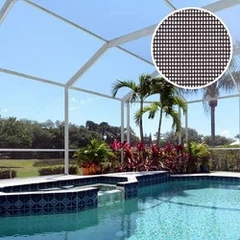
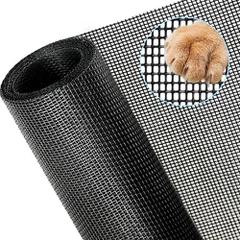
For example, Solar Polyester Screen is a popular choice. It is made of durable polyester material that has excellent tensile strength. This means it can remain intact even when subjected to strong gusts of wind, which are common at high altitudes. The polyester also has good UV - resistant properties, ensuring that it doesn't degrade quickly under long - term sun exposure.
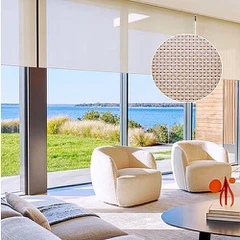
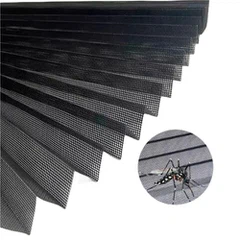
Another option is the Window Sunscreen for Blinds. These screens are designed to fit seamlessly into window blind systems. They can be easily adjusted to control the amount of sunlight entering the building, making them suitable for high - rise offices or residential units where occupants may have different preferences for light and privacy throughout the day.
Benefits of Using Sunshade Screens in High - Rise Buildings
Energy Efficiency
One of the primary benefits of using sunshade screens in high - rise buildings is energy efficiency. High - rise buildings consume a significant amount of energy for heating, ventilation, and air - conditioning (HVAC). Sunshade screens can block a large portion of the sun's heat from entering the building, reducing the load on the HVAC system. By doing so, they can lead to substantial energy savings. According to a study by the American Society of Heating, Refrigerating and Air - Conditioning Engineers (ASHRAE), proper use of sunshades can reduce cooling energy consumption by up to 40% in commercial buildings.
Glare Reduction
Glare from sunlight can be a major problem in high - rise buildings, especially in office spaces. It can cause discomfort to the occupants, affect visual clarity, and even lead to eye strain. Sunshade screens can effectively reduce glare, creating a more comfortable working or living environment. For example, in a high - rise office building, employees can work without being distracted by the bright sunlight streaming through the windows, improving productivity.
Privacy Enhancement
Privacy is also an important consideration in high - rise buildings. Sunshade screens can provide an additional layer of privacy, allowing occupants to control who can see into their rooms. At the same time, they still allow natural light to enter, creating a bright and inviting space. For instance, in a high - rise apartment, residents can use sunshade screens to prevent people on the street or in neighboring buildings from peering in without sacrificing the view of the outside.
Considerations for Using Sunshade Screens in High - Rise Buildings
Installation and Maintenance
Proper installation of sunshade screens in high - rise buildings is crucial. The screens need to be securely attached to the building structure to withstand wind forces. Professional installation is recommended to ensure that the screens are installed correctly and meet safety standards. Maintenance is also an important aspect. Regular inspections should be carried out to check for any signs of damage or wear and tear. For example, damaged edges or loose fasteners should be repaired immediately to prevent the screen from detaching in strong winds.
Aesthetics
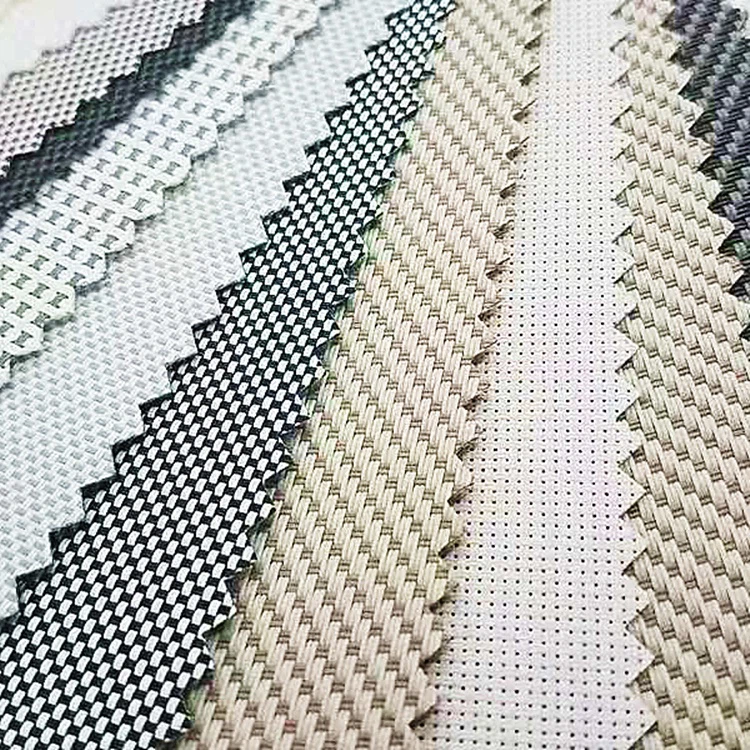
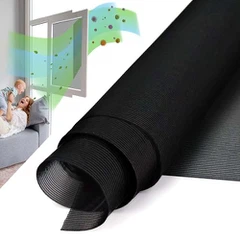
The appearance of the sunshade screens should also be considered. In high - rise buildings, the exterior design is often an important part of the building's identity. The sunshade screens should complement the overall architectural style of the building. Fiberglass and Polyester Optional Sunshade Blinds Fibric comes in a variety of colors and patterns, allowing architects and building owners to choose a design that matches the building's aesthetics.
Fire Safety
Fire safety is a critical concern in high - rise buildings. Sunshade screens should be made of fire - resistant materials or treated with fire - retardant chemicals. This ensures that in the event of a fire, the screens do not contribute to the spread of flames or release toxic fumes. Building codes and regulations often have specific requirements regarding the fire - safety properties of exterior materials, including sunshade screens.
Conclusion
In conclusion, sunshade screens can be effectively used in high - rise buildings. They offer a range of benefits, including energy efficiency, glare reduction, and privacy enhancement. However, proper consideration must be given to installation, maintenance, aesthetics, and fire safety. As a sunshade screen supplier, I am committed to providing high - quality products that meet the specific needs of high - rise building projects.
If you are involved in a high - rise building project and are considering using sunshade screens, I invite you to contact me to discuss your requirements. I can provide you with detailed product information, help you choose the most suitable screens for your project, and offer guidance on installation and maintenance. Looking forward to the opportunity to work with you on your next high - rise building endeavor.
References
American Society of Heating, Refrigerating and Air - Conditioning Engineers (ASHRAE). Energy - efficient design of buildings except low - rise residential buildings. ASHRAE Standard 90.1.