

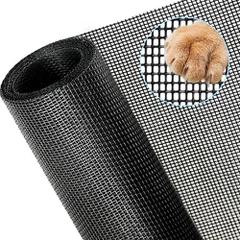
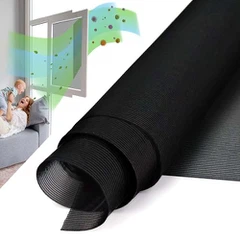
Can sunscreen blind fabric be used in sunrooms? This is a question that many homeowners and architects often ask when designing or renovating a sunroom. As a supplier of sunscreen blind fabric, I'm here to provide a detailed and scientific analysis of this topic.
Understanding Sunscreen Blind Fabric
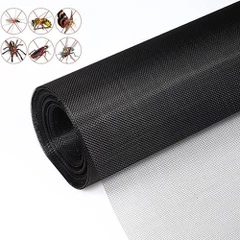
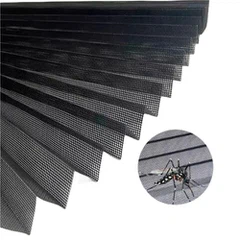
Sunscreen blind fabric is a specialized material designed to block harmful ultraviolet (UV) rays and reduce solar heat gain. It is commonly used in various applications, including windows, patios, and awnings. The fabric is typically made from high - quality synthetic materials such as polyester or PVC, which are treated with UV - resistant coatings.
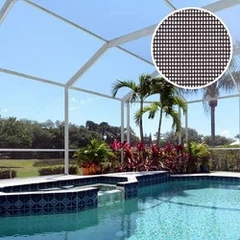
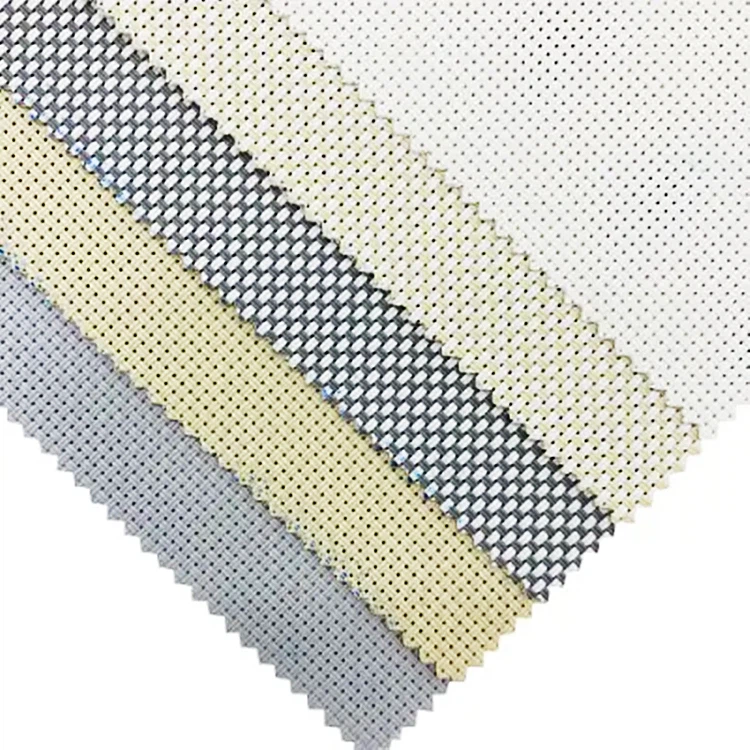
One of the key features of sunscreen blind fabric is its ability to control the amount of sunlight that enters a space. By adjusting the fabric's openness factor, which refers to the percentage of open space in the fabric, you can customize the level of light transmission and privacy. For example, a fabric with a lower openness factor will block more sunlight and provide greater privacy, while a higher openness factor allows more light to pass through.
The Sunscreen Blind Fabric we offer at our company is engineered to meet the highest standards of quality and performance. It has excellent UV protection, with a UV protection factor (UPF) that can block up to 99% of harmful UV rays. This not only protects your skin and furniture from sun damage but also helps to reduce energy costs by minimizing the need for air conditioning.
Advantages of Using Sunscreen Blind Fabric in Sunrooms
1. UV Protection
Sunrooms are exposed to a large amount of sunlight throughout the day. Prolonged exposure to UV rays can cause fading and damage to furniture, flooring, and other interior elements. Sunscreen blind fabric acts as a barrier, preventing UV rays from entering the sunroom and protecting your valuable possessions.
2. Heat Reduction
Solar heat gain can make a sunroom uncomfortably hot during the summer months. Sunscreen blind fabric helps to reduce the amount of heat that enters the room by reflecting and absorbing a significant portion of the sun's energy. This can lead to a more comfortable indoor environment and lower energy bills.
3. Privacy
Depending on your needs, you can choose a sunscreen blind fabric with a suitable openness factor to provide the desired level of privacy. Whether you want to block the view from the outside completely or just reduce the visibility, there is a fabric option available for you.
4. Aesthetic Appeal
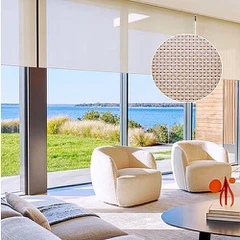
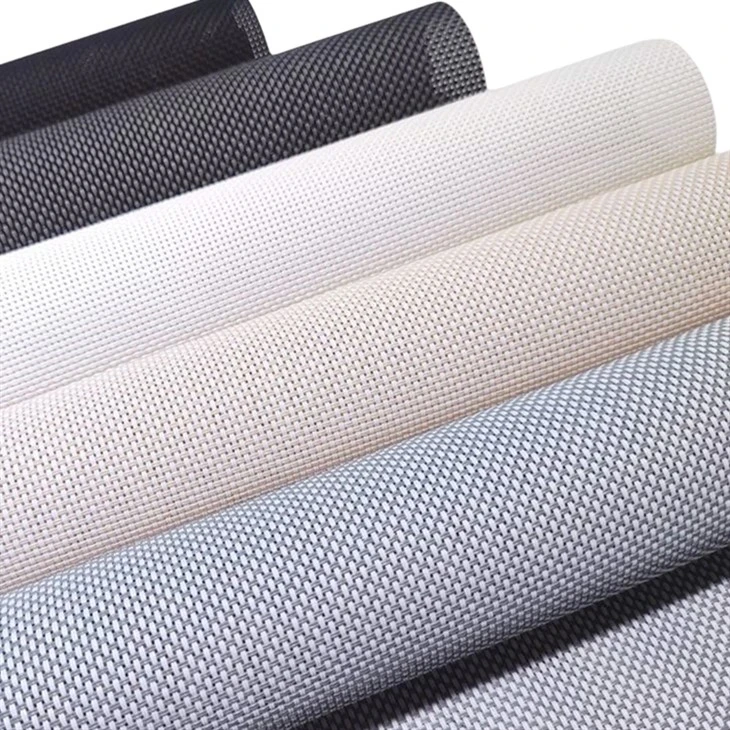
Sunscreen blind fabric comes in a wide range of colors, patterns, and textures, allowing you to customize the look of your sunroom. You can choose a fabric that complements the existing decor of your home and enhances the overall aesthetic appeal of the sunroom.
Considerations When Using Sunscreen Blind Fabric in Sunrooms
1. Openness Factor
As mentioned earlier, the openness factor of the fabric is an important consideration. In a sunroom, you need to strike a balance between light transmission and heat reduction. If you want to maximize natural light while still reducing heat gain, a fabric with a medium openness factor (around 5 - 10%) is a good choice.
2. Durability
Sunrooms are exposed to various weather conditions, including sunlight, rain, and wind. Therefore, it is essential to choose a sunscreen blind fabric that is durable and can withstand these elements. Our Customizable Weight Sunshade Fabric is designed to be highly durable, with excellent resistance to fading, tearing, and mildew.
3. Installation
Proper installation is crucial for the performance of sunscreen blind fabric in a sunroom. It is recommended to hire a professional installer who has experience working with this type of fabric. They can ensure that the fabric is installed correctly and securely, preventing any gaps or sagging that could affect its effectiveness.
Customization Options
We understand that every sunroom is unique, and our customers have different requirements. That's why we offer Private Custom Sunshade Screen services. Whether you need a specific size, color, or pattern, our team of experts can work with you to create a customized solution that meets your exact needs.
Case Studies
Let's take a look at some real - world examples of how sunscreen blind fabric has been used in sunrooms.
In a residential project in California, a homeowner installed our sunscreen blind fabric in their sunroom. Before the installation, the sunroom was too hot to use during the summer months, and the furniture was starting to fade. After the installation, the temperature in the sunroom dropped significantly, and the homeowner noticed a visible reduction in the fading of their furniture. They were also able to enjoy more privacy without sacrificing natural light.
Another example is a commercial sunroom in Florida. The building owner wanted to create a comfortable and energy - efficient space for their employees. By using our sunscreen blind fabric, they were able to reduce the energy consumption of the sunroom by up to 30%. The fabric also added a modern and stylish look to the space, enhancing the overall appeal of the building.
Conclusion
In conclusion, sunscreen blind fabric is an excellent choice for sunrooms. It offers numerous benefits, including UV protection, heat reduction, privacy, and aesthetic appeal. When choosing a sunscreen blind fabric for your sunroom, it is important to consider factors such as the openness factor, durability, and installation.
If you are interested in using sunscreen blind fabric in your sunroom or have any questions about our products, please feel free to contact us for more information. Our team of experts is ready to assist you in finding the perfect solution for your needs. We look forward to the opportunity to work with you and help you create a beautiful and functional sunroom.
References
- American Society for Testing and Materials (ASTM). Standard test methods for determining the solar reflectance index of horizontal and low - sloped opaque surfaces.
- International Window Film Association (IWFA). Guide to window film performance and installation.
- National Renewable Energy Laboratory (NREL). Solar heat gain coefficient and its impact on building energy efficiency.