

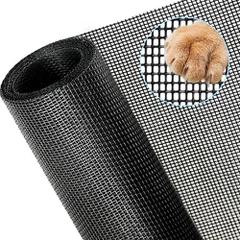
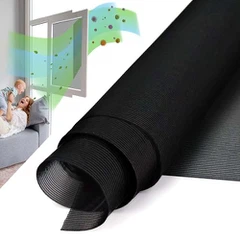
Hey there! As a supplier of sunscreen blind fabric, I often get asked if our sunscreen blind fabric can be used in children's rooms. Well, let's dig into this topic and find out.
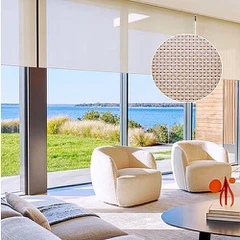
First off, let's talk about what sunscreen blind fabric is. It's a special kind of fabric designed to block out a significant amount of sunlight and harmful UV rays. This fabric is commonly used in roller blinds, which are a popular choice for window coverings in homes and offices.
One of the main benefits of using sunscreen blind fabric in a children's room is sun protection. Kids are more vulnerable to the sun's harmful rays than adults. Prolonged exposure to UV rays can lead to skin damage and increase the risk of skin cancer later in life. By installing sunscreen blind fabric on the windows of a children's room, you can significantly reduce the amount of UV radiation that enters the room. This helps protect your little one's delicate skin while they play, sleep, or study in their room.
Another advantage is temperature control. Sunlight can heat up a room quickly, especially during the hot summer months. This can make the room uncomfortable for your child and may even disrupt their sleep. Sunscreen blind fabric can block a large portion of the sun's heat, keeping the room cooler. This means you may not have to rely as much on air conditioning, which can save you money on energy bills.
Now, let's address some concerns. Some people worry that the sunscreen blind fabric might be too dark or block too much light, making the room feel gloomy. But here's the good news. Our Customizable Openness Sunscreen 0 - 20% Fabric Sun - Shading Roller Blinds offer customizable openness. You can choose the level of openness that suits your needs. If you want more light to enter the room, you can opt for a higher openness percentage. This way, you can strike a balance between sun protection and natural light.
Safety is also a top priority when it comes to children's rooms. Our sunscreen blind fabric is made from high - quality materials that are non - toxic and fire - resistant. We ensure that all our products meet strict safety standards, so you can have peace of mind knowing that your child is safe in their room.
When it comes to the aesthetics, our sunscreen blind fabric comes in a wide range of colors and patterns. You can choose a design that matches the decor of your child's room. Whether your child loves bright and colorful themes or something more subtle, we have options to suit every taste.
Now, let's talk about maintenance. Our sunscreen blind fabric is easy to clean. You can simply wipe it down with a damp cloth to remove dust and dirt. This is great for busy parents who don't have a lot of time to spend on cleaning.

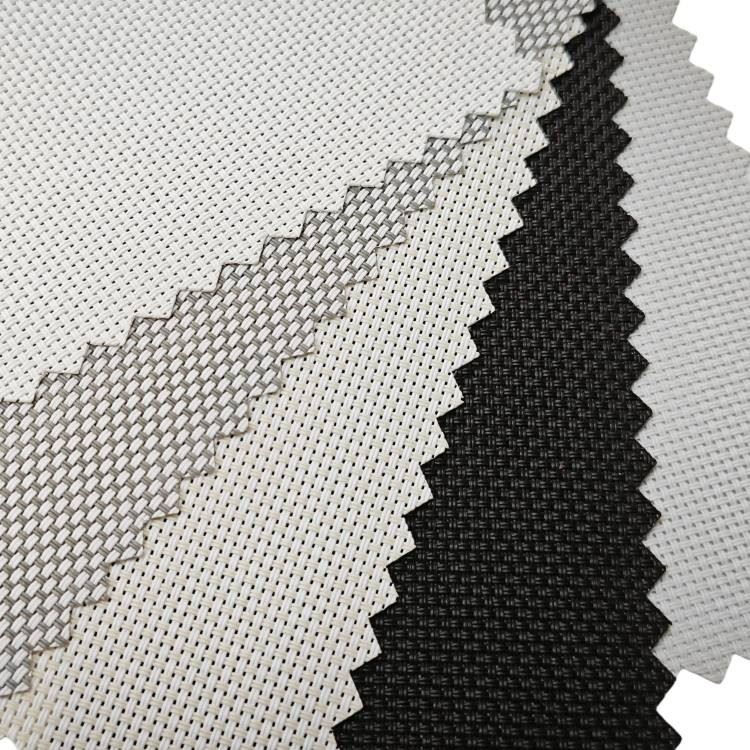
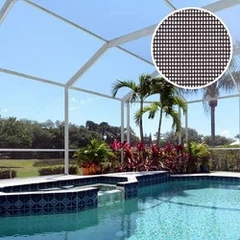
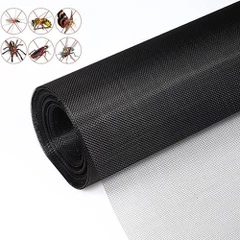
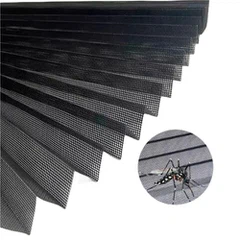
In addition to roller blinds, we also offer Sunshade Screen Fabric and Shading Net For Blinds. These products can be used in different ways to provide sun protection in a children's room. For example, the shading net can be used as an additional layer of sun protection on top of regular curtains.
So, to answer the question "Can sunscreen blind fabric be used in children's rooms?", the answer is a resounding yes! It offers sun protection, temperature control, safety, and aesthetic appeal. It's a practical and stylish choice for any children's room.
If you're interested in our sunscreen blind fabric products and want to learn more about customization options, pricing, or placing an order, feel free to reach out. We're always happy to have a chat and discuss how we can meet your specific needs. Whether you're a parent looking to upgrade your child's room or a contractor working on a children's facility project, we're here to help. Let's work together to create a safe and comfortable environment for the little ones.
References
- American Academy of Pediatrics. (2023). Sun Protection for Children.
- National Institute of Environmental Health Sciences. (2023). Ultraviolet (UV) Radiation.