

Can solar screen mesh reduce outside noise?
As a supplier of solar screen mesh, this is a question I often get asked by my customers. In this blog post, I'll explore the science behind noise reduction and whether solar screen mesh can play a role in creating a quieter indoor environment.
Understanding Noise and Its Transmission
Before we dive into the effectiveness of solar screen mesh in reducing noise, it's important to understand how noise is generated and transmitted. Noise consists of sound waves that travel through the air. These waves are vibrations that can be caused by various sources, such as traffic, construction, or even people talking.
When these sound waves encounter an object, they can be absorbed, reflected, or transmitted through it. The ability of a material to reduce noise depends on its acoustic properties, including its density, thickness, and porosity.
How Solar Screen Mesh Works
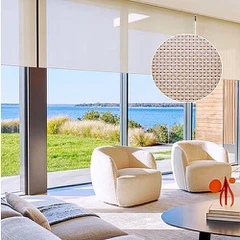
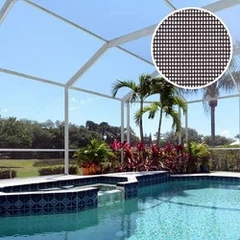
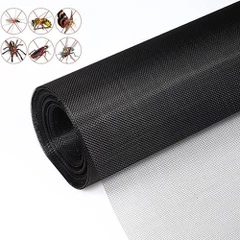
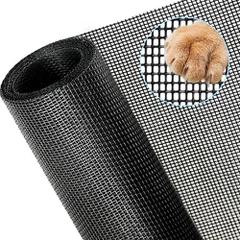
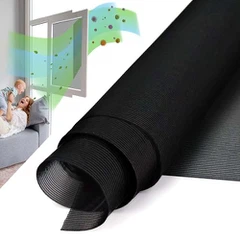
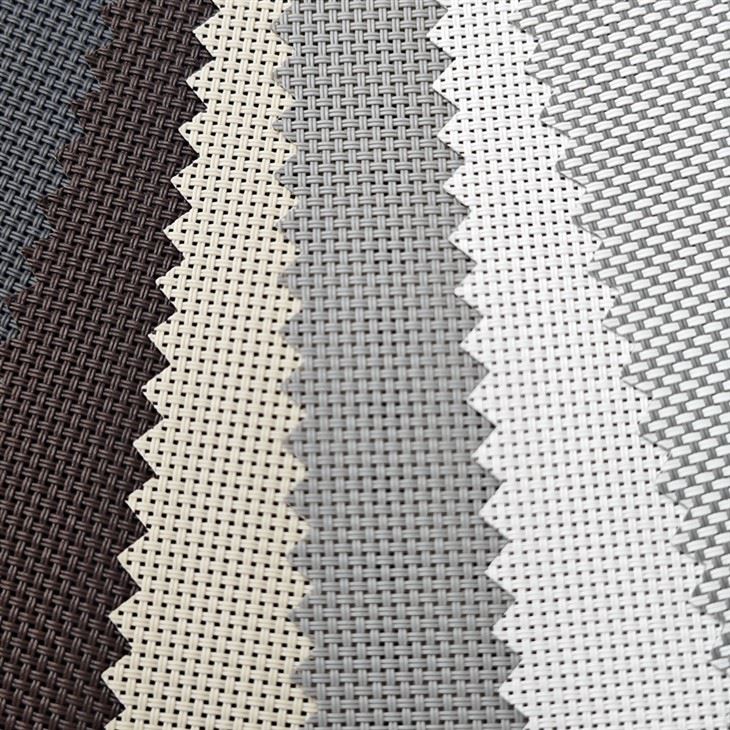
Solar screen mesh is primarily designed to block sunlight and reduce heat gain in a building. It is usually made from materials like fiberglass or polyester, which are coated with PVC or other substances to enhance durability and UV resistance.
The mesh has a specific openness factor, which refers to the percentage of open space in the screen. Lower openness percentages mean the mesh has smaller holes and can block more sunlight, while higher openness percentages allow more light to pass through.
Acoustic Properties of Solar Screen Mesh
The question at hand is whether solar screen mesh can help reduce outside noise. To answer this, we need to look at its acoustic properties.
- Density and Thickness: Generally, materials with higher density and thickness are better at blocking sound. Solar screen mesh is relatively thin, which means it may not be as effective as thicker, more solid materials in impeding the passage of sound waves. However, the material it is made of can still have some impact on noise reduction. For example, fiberglass has some inherent sound - absorbing qualities.
- Porosity: The openness factor of solar screen mesh is a crucial factor in its acoustic performance. A lower openness percentage implies that there are fewer gaps for sound waves to pass through. However, even screens with a low openness percentage are still mostly made up of open space compared to solid walls. This means that they will not block sound as effectively as a solid barrier.
Evidence from Research and Real - World Examples
Scientific research on the specific noise - reducing capabilities of solar screen mesh is somewhat limited. However, we can draw some conclusions based on general acoustic principles.
In a real - world setting, solar screen mesh may have a marginal effect on reducing noise. For instance, in a residential area with light traffic, the screen mesh might help to slightly dampen the sound of passing cars. But in a noisy urban environment with heavy traffic and construction work, its impact on noise reduction will be much less noticeable.
Our Solar Screen Mesh Products and Their Potential for Noise Reduction
At our company, we offer a range of solar screen mesh products, each with different features and potential for noise reduction.
- 450GSM Fiberglass+PVC Sunshade 5% Fabric: This product has a relatively low openness percentage of 5%. The fiberglass base and PVC coating not only provide excellent sun protection but also may offer some minor noise - dampening effects due to the material properties. The denser fabric structure can potentially absorb and reflect some sound waves, reducing the amount of noise that enters a building.
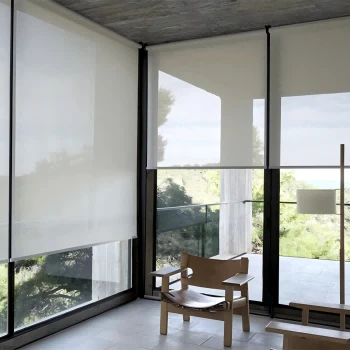
- Customizable Openness Sunscreen 0 - 20% Fabric Sun - Shading Roller Blinds: With the option to customize the openness, customers can choose a screen that best suits their needs. A lower openness setting will generally be more effective in reducing noise, although it will also block more sunlight. These roller blinds can be easily installed on windows, providing both sun protection and a small degree of noise reduction.
- Screen Fabric Roller Blinds: Our screen fabric roller blinds are made from high - quality materials. The fabric is designed to be durable and effective in blocking sunlight. While they are not a substitute for proper soundproofing materials, they can contribute to a quieter indoor environment by reducing the direct entry of outside noise through windows.
Complementary Measures for Noise Reduction
While solar screen mesh can offer some limited noise reduction benefits, it is often most effective when used in conjunction with other noise - reducing measures.
- Double - Glazed Windows: Double - glazed windows have an air gap between two panes of glass, which can significantly reduce noise transmission. When combined with solar screen mesh on the outside, the overall noise reduction can be enhanced.
- Sealants and Weatherstripping: Ensuring that windows and doors are properly sealed can prevent sound from leaking into a building. Using high - quality sealants and weatherstripping can work in tandem with solar screen mesh to create a more sound - proof environment.
Conclusion and Call to Action
In conclusion, solar screen mesh can have a minor impact on reducing outside noise. While it is not a substitute for dedicated soundproofing materials, it can contribute to a quieter indoor space, especially when used in combination with other noise - reducing measures.
If you are interested in exploring our range of solar screen mesh products for their potential noise - reducing benefits, as well as their excellent sun - shading properties, we encourage you to contact us for a detailed discussion. Our team of experts can help you choose the right product for your specific needs and provide you with all the necessary information for a successful purchase.
References
- Beranek, Leo L. "Acoustics." American Institute of Physics, 1986.
- Mehta, Pankaj. "Building Acoustics: Principles and Practice." Elsevier, 2014.