

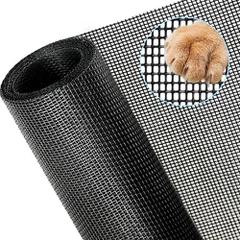
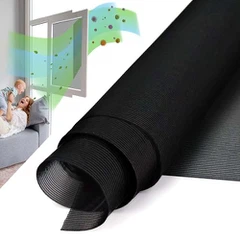
As a supplier of solar screen mesh, I've witnessed firsthand the growing interest in energy - efficient solutions for homes and commercial buildings. One question that frequently comes up is whether solar screen mesh can reduce energy costs. In this blog post, I'll delve into the science behind solar screen mesh and explore its potential to cut down on energy expenses.
Understanding Solar Screen Mesh
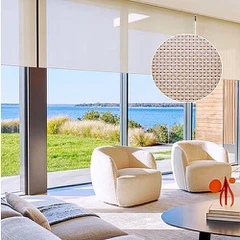
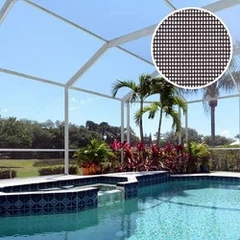
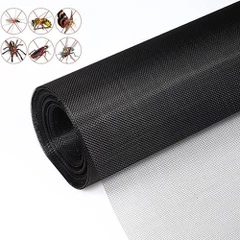
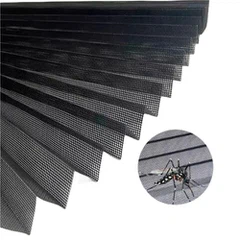
Solar screen mesh is a specialized material designed to block a significant portion of the sun's heat and harmful ultraviolet (UV) rays from entering a building. It is typically made from high - quality polyester or fiberglass materials, which are woven together to create a fine mesh. The mesh allows for air circulation while still providing a barrier against solar radiation.
The key to the effectiveness of solar screen mesh lies in its ability to reflect and absorb solar energy. When sunlight hits the mesh, a large part of the solar radiation is either reflected back into the atmosphere or absorbed by the mesh itself. This reduces the amount of heat that enters the building through the windows, which in turn can lower the demand for air conditioning.
How Solar Screen Mesh Reduces Energy Costs
Reducing Cooling Load
In warmer months, one of the biggest energy consumers in a building is the air - conditioning system. When the sun beats down on windows, it transfers a large amount of heat into the interior space. This forces the air - conditioning system to work harder to maintain a comfortable temperature, consuming more electricity.
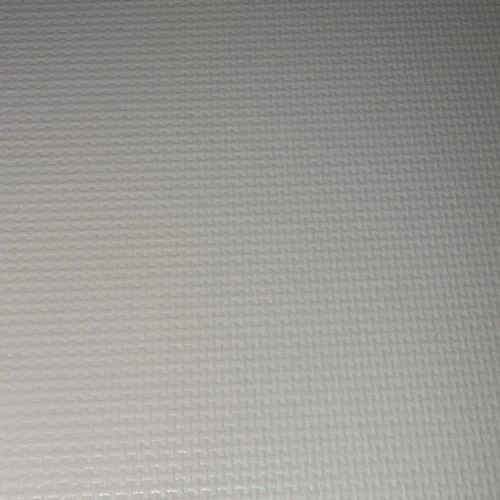
Solar screen mesh acts as a shield, preventing a substantial amount of solar heat from entering the building. By reducing the solar heat gain through windows, the cooling load on the air - conditioning system is significantly decreased. This means the system doesn't have to run as often or as hard, resulting in lower energy consumption and cost savings.
For example, studies have shown that in a typical residential building, installing solar screen mesh can reduce solar heat gain through windows by up to 70%. This can lead to a significant reduction in monthly cooling costs, especially in regions with hot climates.
Protecting Interior Furnishings
In addition to reducing cooling costs, solar screen mesh also helps protect interior furnishings from the damaging effects of UV rays. UV rays can fade carpets, upholstery, and wooden furniture over time. By blocking a large percentage of UV rays, solar screen mesh extends the lifespan of these items, reducing the need for frequent replacement.
Moreover, when the interior of a building is better protected from UV damage, it retains its aesthetic appeal for longer periods. This can be particularly beneficial for commercial buildings, where the appearance of the interior can impact customer perception and business success.
Factors Affecting the Energy - Saving Potential of Solar Screen Mesh
Mesh Density
The density of the solar screen mesh plays a crucial role in its energy - saving capabilities. A denser mesh will block more solar radiation, but it may also reduce visibility and natural light transmission. On the other hand, a less dense mesh allows more light to enter the building but may not be as effective at blocking heat.
When choosing solar screen mesh, it's important to strike a balance between energy efficiency and the desired level of natural light and visibility. For areas where privacy is not a major concern and maximum heat reduction is needed, a denser mesh may be the best choice. In areas where natural light is highly valued, a less dense mesh can be selected.
Color of the Mesh
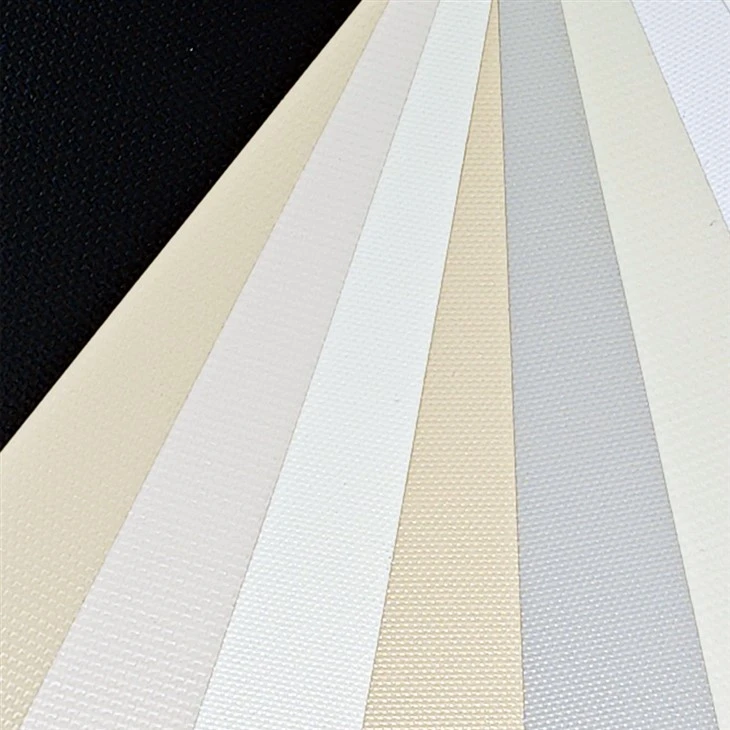
The color of the solar screen mesh can also affect its performance. Dark - colored meshes tend to absorb more solar radiation, which can be beneficial in reducing heat gain. However, they may also absorb more heat themselves, which could potentially be transferred back into the building if not properly ventilated.
Light - colored meshes, on the other hand, reflect more solar radiation. They are generally cooler to the touch and may be a better option in situations where minimizing heat absorption by the mesh is important.
Installation Location
The location where the solar screen mesh is installed can impact its energy - saving effectiveness. Exterior installations are generally more effective than interior installations because they block the solar heat before it reaches the window. This reduces the amount of heat that is transferred into the building through the glass.
However, exterior installations may require more maintenance and may be subject to weather damage. Interior installations, while less effective in terms of heat reduction, are easier to install and maintain.
Real - World Examples of Energy Savings
There are numerous real - world examples that demonstrate the energy - saving potential of solar screen mesh. In a commercial office building in a hot, sunny climate, the installation of solar screen mesh on all south - facing windows resulted in a 20% reduction in cooling costs during the summer months. The building manager reported that the indoor temperature was more consistent, and the air - conditioning system ran less frequently.
In a residential setting, a homeowner in a warm coastal area installed solar screen mesh on their living room windows. They noticed a significant reduction in the amount of heat entering the room during the day, and their monthly electricity bill for air conditioning dropped by 15%.
Other Benefits of Solar Screen Mesh
Improved Comfort
By reducing solar heat gain, solar screen mesh helps create a more comfortable indoor environment. The temperature is more evenly distributed throughout the building, and there are fewer hot spots near windows. This can make a big difference in the comfort of occupants, whether it's a home or a commercial space.
Enhanced Privacy
Solar screen mesh also provides a certain level of privacy. From the outside, it can be difficult to see inside the building, especially during the day when the sun is shining. This can be an added benefit for homes and businesses that want to maintain a certain level of privacy without sacrificing natural light.
Conclusion
In conclusion, solar screen mesh can indeed reduce energy costs by significantly reducing solar heat gain through windows. It offers a cost - effective and environmentally friendly solution for both residential and commercial buildings. By choosing the right mesh density, color, and installation location, building owners can maximize the energy - saving potential of solar screen mesh.
If you're interested in exploring the benefits of solar screen mesh for your building, I encourage you to [contact us](mailto:your - email@example.com) for more information. We offer a wide range of solar screen mesh products, including Sunscreen Blind Fabric, Shading Net For Blinds, and Polyester Blackout Fabric. Our team of experts can help you select the best product for your specific needs and provide professional installation services.
References
- ASHRAE Handbook of Fundamentals. American Society of Heating, Refrigerating and Air - Conditioning Engineers.
- "Energy - Saving Potential of Window Shading Devices" by Energy Research Institute.
- Case studies from various building owners and managers who have installed solar screen mesh.