


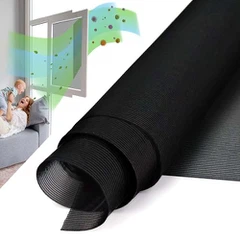
As a supplier of Plisse insect screens, I often get asked by customers whether they can install these screens on their own. The answer is a bit nuanced, as it depends on several factors. In this blog post, I'll break down the process, share some tips, and help you decide if a DIY installation is right for you.
Understanding Plisse Insect Screens
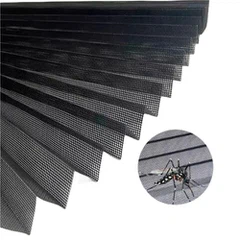
Before we dive into the installation process, let's briefly understand what Plisse insect screens are. Plisse insect screens are a type of retractable insect screen that uses a pleated mesh design. This design allows the screen to be easily pulled across an opening, such as a window or door, and then retracted when not in use. They are a popular choice for homeowners because they are aesthetically pleasing, space - saving, and effective at keeping insects out.
There are different types of meshes available for Plisse insect screens. For example, the Mosquito Pleated Mesh is specifically designed to keep mosquitoes at bay. It has a fine mesh that can prevent even the smallest insects from entering your home. On the other hand, the Pleat Mesh is a more general - purpose mesh that can be used for various insects and also offers good visibility and airflow.
Tools and Materials You'll Need
If you decide to install a Plisse insect screen yourself, you'll need to gather the following tools and materials:
- Measuring tape: To accurately measure the dimensions of the window or door where you'll be installing the screen.
- Screwdriver: Depending on the type of installation, you may need a Phillips or flat - head screwdriver.
- Drill: If you need to make holes for mounting brackets.
- Level: To ensure that the screen is installed straight.
- Mounting brackets: These come with the Plisse insect screen kit.
- The Plisse insect screen itself: You can find a wide range of options on our website, including the Plisse Insect Screen.
The Installation Process
Step 1: Measure the Opening
The first and most crucial step is to measure the window or door opening accurately. Measure the width and height at multiple points to account for any irregularities. Make sure to measure to the nearest millimeter for the best fit. Write down these measurements and double - check them before ordering your Plisse insect screen.
Step 2: Prepare the Mounting Surface
Clean the area where you'll be installing the screen. Remove any dirt, dust, or debris. If the surface is painted, make sure it is in good condition. If there are any rough patches, sand them down to create a smooth surface for the mounting brackets.
Step 3: Install the Mounting Brackets
Using the level, mark the position for the mounting brackets on the window or door frame. Make sure they are level and evenly spaced. If the brackets come with pre - drilled holes, you can simply align them with the marks and use a screwdriver or drill to secure them in place.
Step 4: Attach the Plisse Insect Screen
Once the mounting brackets are in place, carefully attach the Plisse insect screen to the brackets. Follow the manufacturer's instructions, as different screens may have slightly different attachment methods. In most cases, you'll need to slide the screen into the brackets and secure it with clips or screws.
Step 5: Test the Screen
After attaching the screen, test its retractable function. Pull the screen across the opening and make sure it moves smoothly. Check for any gaps or areas where the screen may not fit properly. If necessary, make adjustments to the mounting brackets or the screen itself.
Factors to Consider
Skill Level
Installing a Plisse insect screen requires a basic level of DIY skills. If you're comfortable using tools like a drill and screwdriver, and you have some experience with home improvement projects, you may be able to handle the installation. However, if you're not confident in your abilities, it may be best to hire a professional.
Complexity of the Installation
The complexity of the installation can vary depending on the type of window or door and the design of the Plisse insect screen. For example, installing a screen on a standard rectangular window is relatively straightforward. But if you have a curved or irregularly shaped window, or if you're installing the screen on a sliding door with a complex track system, the installation can be more challenging.
Time and Effort
Installing a Plisse insect screen can take several hours, especially if it's your first time. You'll need to set aside enough time to complete the installation without rushing. Keep in mind that if you encounter any problems during the installation, it may take even longer to fix them.
Benefits of DIY Installation
Cost Savings
One of the main benefits of installing the Plisse insect screen yourself is cost savings. Hiring a professional installer can be expensive, and by doing it yourself, you can save on labor costs.


Sense of Accomplishment
Completing a DIY project gives you a sense of accomplishment. You'll be able to look at your newly installed Plisse insect screen and know that you did it all by yourself.
When to Hire a Professional
Lack of Skills or Experience
If you're not confident in your DIY skills or if you've never installed a screen before, it's better to hire a professional. They have the experience and expertise to ensure that the screen is installed correctly and functions properly.
Complex Installations
As mentioned earlier, if you have a complex window or door design, or if you're dealing with a high - end Plisse insect screen with advanced features, it's advisable to hire a professional. They can handle the installation with precision and avoid any potential problems.
Tips for a Successful Installation
- Read the manufacturer's instructions carefully before starting the installation.
- Take your time and double - check your measurements and installations at each step.
- If you're unsure about something, don't hesitate to contact our customer support team. We're here to help you with any questions you may have.
Conclusion
So, can you install a Plisse insect screen yourself? The answer is yes, if you have the right tools, skills, and patience. However, it's important to assess your own abilities and the complexity of the installation before making a decision. Whether you choose to do it yourself or hire a professional, our Plisse insect screens are designed to provide you with effective insect protection and a stylish addition to your home.
If you're interested in purchasing a Plisse insect screen or have any questions about the installation process, feel free to contact us. We're always happy to assist you with your insect - screening needs. Our team of experts can provide you with detailed information and help you find the perfect screen for your home. Let's work together to create a comfortable and insect - free living environment.
References
- General knowledge of home improvement and DIY projects.
- Manufacturer's installation guides for Plisse insect screens.