


Can I install a plisse fly screen myself?
When the warm months roll around, the last thing you want is to be constantly swatting away flies and mosquitoes while trying to enjoy the fresh air in your home. A plisse fly screen is an excellent solution to keep these pesky insects out while still allowing you to keep your windows and doors open. But the question on many homeowners' minds is, "Can I install a plisse fly screen myself?" As a supplier of high - quality plisse fly screens, I'm here to guide you through the process.
Understanding Plisse Fly Screens
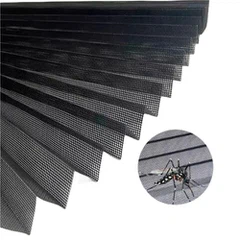
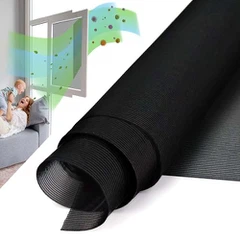
Before diving into the installation process, it's important to understand what a plisse fly screen is. A plisse fly screen is a type of retractable fly screen that folds up when not in use, saving space and providing an unobstructed view when you don't need the protection. These screens are made of a pleated mesh material that offers durability and flexibility. You can find different types of mesh, such as the Mosquito Pleated Mesh and Folding Fly Screen Mesh, which are designed to meet various needs.
Tools and Materials You'll Need
If you decide to take on the installation of a plisse fly screen yourself, you'll need a few essential tools and materials. Here's a list to get you started:
- Measuring tape: To accurately measure the dimensions of your window or door.
- Screwdriver: Depending on the type of mounting system your plisse fly screen uses, you may need a Phillips or flat - head screwdriver.
- Drill: In some cases, you'll need to drill holes for the mounting brackets. Make sure you have the appropriate drill bits.
- Level: To ensure that the screen is installed straight.
- Pencil: For marking the positions of the mounting brackets.
- The plisse fly screen kit: Of course, you'll need the actual fly screen, which usually comes with all the necessary components, including the mesh, frame, and mounting brackets. Some kits may also include additional accessories like handles.
Measuring Your Window or Door
The first step in the installation process is to measure your window or door accurately. Measure the width and height at multiple points, as windows and doors can sometimes have slight variations in size. Take the smallest measurements for the width and height, as the plisse fly screen needs to fit snugly within the opening. Record these measurements carefully, as they will determine the size of the plisse fly screen you need to purchase.
Preparing the Mounting Surface
Once you have your plisse fly screen kit and have measured your window or door, it's time to prepare the mounting surface. Clean the area where you'll be installing the screen to ensure that there is no dirt, dust, or debris that could interfere with the adhesion of the mounting brackets. If you're using a self - adhesive mounting system, make sure the surface is dry and smooth. For a screw - in mounting system, mark the positions of the mounting brackets using a pencil and a level.
Installing the Mounting Brackets
The next step is to install the mounting brackets. If you're using a self - adhesive system, simply peel off the backing of the adhesive and press the brackets firmly onto the marked positions. For a screw - in system, use your drill to make holes at the marked positions and then insert the screws to secure the brackets. Make sure the brackets are level and firmly attached to the surface.
Attaching the Plisse Fly Screen
After the mounting brackets are in place, it's time to attach the plisse fly screen. Carefully lift the screen and align it with the mounting brackets. Slide the screen into the brackets, making sure it fits securely. Some screens may require you to use additional clips or fasteners to hold the screen in place. Follow the manufacturer's instructions carefully to ensure a proper fit.
Testing the Screen
Once the plisse fly screen is attached, test it to make sure it retracts and extends smoothly. Pull the screen down and let it retract a few times to check for any sticking or resistance. If you notice any issues, double - check the installation of the mounting brackets and the alignment of the screen.
Troubleshooting Common Installation Problems
During the installation process, you may encounter some common problems. For example, if the screen is not retracting smoothly, it could be due to misaligned mounting brackets or a kink in the mesh. Check the alignment of the brackets and gently straighten any kinks in the mesh. If the screen is not fitting properly, make sure you measured the window or door correctly and that the mounting brackets are installed at the right positions.
Advantages of Installing a Plisse Fly Screen Yourself
Installing a plisse fly screen yourself has several advantages. First of all, it can save you money on installation costs. Professional installation services can be expensive, especially if you have multiple windows or doors to screen. By doing it yourself, you can use that money to invest in a higher - quality plisse fly screen or other home improvement projects. Additionally, installing the screen yourself gives you a sense of accomplishment and allows you to customize the installation to your specific needs.
When to Seek Professional Help
While installing a plisse fly screen yourself is definitely doable, there are some situations where it may be best to seek professional help. If you're not comfortable using power tools or if your window or door has an irregular shape, it's a good idea to hire a professional installer. Also, if you encounter any major problems during the installation process that you can't solve on your own, a professional can provide the expertise needed to get the job done right.
Why Choose Our Plisse Fly Screens
As a supplier of plisse fly screens, we take pride in offering high - quality products that are designed to meet the needs of our customers. Our Folding Retractable Screen is made from durable materials that can withstand the elements and provide long - lasting protection against insects. We offer a variety of sizes and styles to fit different windows and doors, and our products come with detailed installation instructions to make the process as easy as possible.
If you're considering purchasing a plisse fly screen for your home, we invite you to contact us to discuss your needs. Our team of experts can help you choose the right screen for your windows or doors and provide you with any assistance you may need during the installation process. Whether you're a DIY enthusiast or prefer to have a professional handle the installation, we're here to support you.
In conclusion, installing a plisse fly screen yourself is a feasible option for many homeowners. With the right tools, materials, and a little patience, you can enjoy the benefits of a bug - free home without breaking the bank. So, take the plunge and give it a try!


References
- Manufacturer's installation guides for plisse fly screens
- Home improvement books and magazines on window and door installations